 Bellingham Exterior
 Siding Repair in York: What Bellingham's Climate Actually Does to Your Walls
The York neighborhood sits inside one of the wetter, greyer stretches of Whatcom County, and that climate leaves a specific fingerprint on exterior siding. Homes here deal with three things at once: salt-tinged air moving in off the Sound, driving rain that hits walls sideways instead of straight down, and a moss season that can run eight or nine months out of the year in shaded, north-facing spots. None of those problems are dramatic on their own. Together, over years, they're what turns a small siding issue into a bigger repair bill.
Siding repair in this environment isn't just cosmetic patchwork. It's about finding where water is actually getting behind the cladding, understanding why that spot failed, and fixing the cause — not just the symptom. A repair that only addresses what's visible from the sidewalk tends to fail again in a season or two.
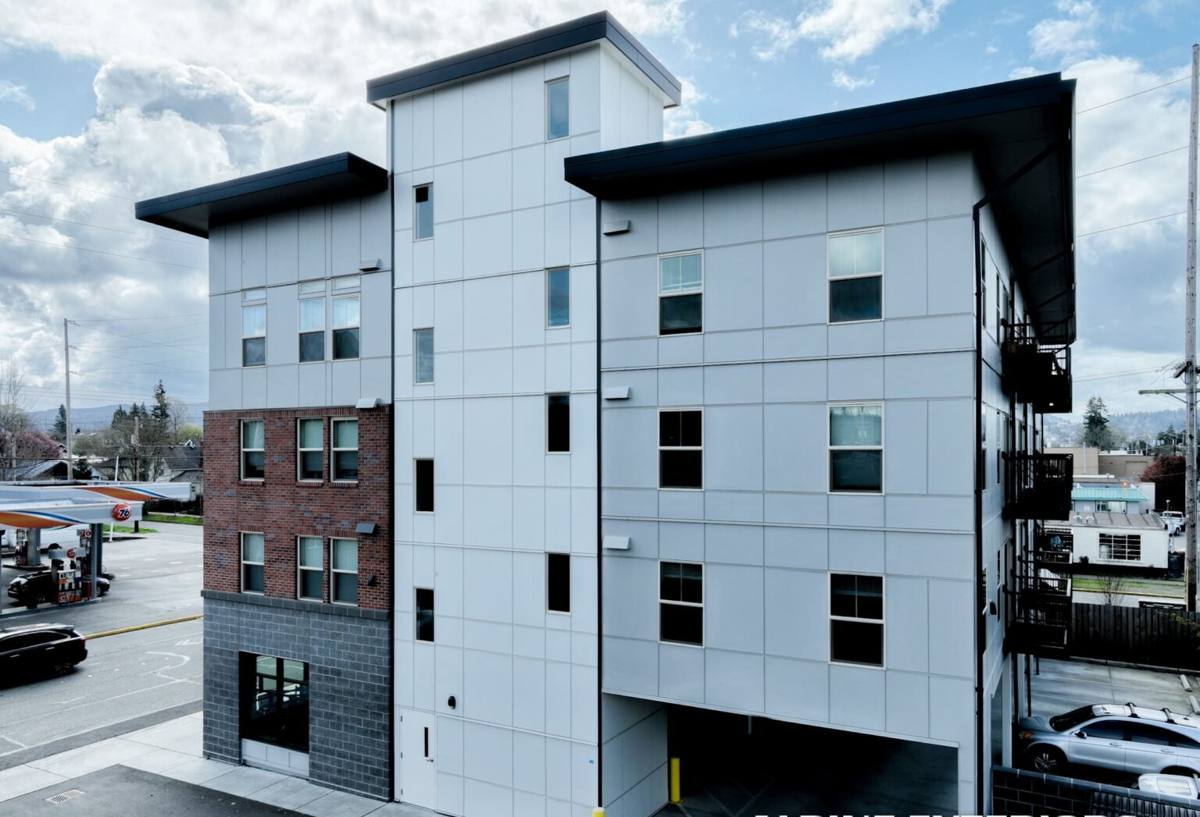
Common Siding Damage We See on York Homes
Moisture and Rot at Vulnerable Points
Wind-driven rain in this area doesn't just run down a wall — it gets pushed into every seam, corner, and penetration. The places we find damage most often are around window and door trim, at butt joints between siding courses, near roof-to-wall transitions, and at the bottom few courses close to grade where splashback and standing moisture concentrate. On older wood or engineered-wood siding, this shows up as soft or spongy panels, peeling paint that won't hold, or visible swelling along the bottom edge.
Moss, Algae, and Trapped Moisture
Shaded elevations — typically north- and east-facing walls under mature trees, which are common on established York lots — stay damp longer after every rain. That constant dampness is exactly what moss and algae need to take hold. Left alone, moss doesn't just look bad; it holds water against the siding surface far longer than an exposed wall would dry naturally, which accelerates whatever damage is already starting underneath.
Caulking and Sealant Failure
Caulk and sealant joints are a wear item, not a permanent fix, and in a marine climate they break down faster than manufacturers' literature usually suggests. Once a bead cracks or pulls away from the substrate, it stops shedding water and starts funneling it directly into the wall assembly. This is one of the most common root causes we trace repair calls back to.
What a Correct Siding Repair Actually Involves
A repair that's done right isn't just about matching the color and swapping a damaged board. It requires:
- Removing enough surrounding material to see the full extent of the damage — not just the visible crack or stain
- Checking the house wrap or weather-resistive barrier behind the siding for tears or gaps
- Confirming flashing at windows, doors, and roof intersections is actually directing water outward, not into the wall
- Letting any wet framing or sheathing dry out, or replacing it, before new material goes back on
- Matching fastening patterns and gaps to manufacturer spec so the repair doesn't become the next failure point
- Re-sealing and finishing to the same standard as new construction, not a visibly patched repair
Skipping any of these steps is how a $400 patch job turns into a $4,000 wall rebuild two years later. It's also how a repair that looks fine from the street ends up hiding an active moisture problem.
Repair vs. Replacement: How We Decide
Not every damaged section needs to come off the whole house. But there's a point where patch repairs stop making financial sense compared to replacing a full elevation or the whole exterior. Here's roughly how we walk homeowners through that decision:
| Situation | Repair usually makes sense | Replacement usually makes sense |
|---|---|---|
| Damage extent | Isolated to one or two boards or a single area | Spread across multiple elevations or recurring in the same spots |
| Underlying material | Sound, dry framing and sheathing behind the damage | Rot or moisture damage found in the sheathing or framing itself |
| Siding age and material | Newer material, or a product known to hold up long-term | Aging wood, older composite, or a product with known moisture sensitivity |
| Cause of failure | A single identifiable cause (bad caulk joint, damaged flashing) | Systemic issues — poor original installation, wrong material for the climate |
| Cost over time | Repair cost is a small fraction of full replacement | Repeated repairs are approaching or exceeding replacement cost |
We'll always tell you honestly which side of that table your home falls on. A lot of siding repair calls in York are genuinely just repairs — there's no reason to push a full replacement on a home that doesn't need one.
Our Process for York Siding Repair Calls
- On-site inspection. We look at the damage itself, but also everywhere else water tends to get in on this house type — trim, penetrations, low courses, shaded walls.
- Honest diagnosis. We explain what we found, what caused it, and whether it's a contained repair or a sign of something bigger.
- Clear estimate. You get a written scope and price before any work starts — no surprise add-ons once the wall is open.
- Correct-spec repair. We fix the cause, not just the visible symptom, and match material and finish so the repair holds up and blends in.
- Walkthrough. We show you what was done and what to keep an eye on going forward.
Why the Material You Repair With Matters
When a repair involves replacing sections of siding rather than just re-caulking or re-flashing, the material choice matters more than most homeowners expect. This company installs and repairs with James Hardie fiber cement exclusively — we don't install vinyl, LP SmartSide, Cemplank, Allura, or unprimed wood species, and we won't patch a damaged wall with a different product than what's already there unless a homeowner is doing a full replacement.
The reason comes back to the same climate factors driving the damage in the first place. Fiber cement doesn't absorb moisture the way wood-based products can, so it doesn't swell, delaminate, or invite rot at cut edges and joints the way engineered wood siding can when a seal fails. It's non-combustible, which matters given wildfire smoke and ember exposure has become a more regular late-summer concern even west of the Cascades. And James Hardie's ColorPlus factory finish is baked on and warrantied against fading and flaking — which matters on a wall that's going to see near-constant damp Whatcom County weather for the next several decades, not just the next few dry summers.
For a homeowner doing a repair on an existing wood or composite-sided home, we'll still do the job right with compatible material where that's the honest call. But if you're looking at replacing a full elevation or the whole house, we'll tell you directly why we standardized on Hardie instead of the lower-cost alternatives, and let you weigh that against the upfront price difference.
Signs You Should Get a Siding Repair Estimate
- Soft, spongy, or bubbling spots when you press on the siding
- Paint that keeps peeling or blistering in the same spot no matter how often it's repainted
- Visible gaps, cracks, or missing caulk around windows, doors, or trim
- Persistent moss or dark streaking on north-facing or shaded walls
- Warped, buckled, or separated siding panels or boards
- Musty smell or visible staining on interior walls near an exterior wall
- Siding that was patched before but is showing the same damage again
If you're seeing even one of these, it's worth having someone look before the next wet season adds to it. Small repairs caught early stay small.
Why a Crew That Already Works in York Matters
A siding repair crew that regularly works Bellingham neighborhoods like York already knows which elevations take the worst of the wind-driven rain, which lot conditions grow moss fastest, and what correct flashing and drainage detailing needs to look like for this specific climate — not a generic national spec sheet written for a drier region. That local pattern recognition is what separates a repair that actually solves the problem from one that just covers it up until the next storm season.
We approach every repair call in York the same way: diagnose the real cause, give you a straight answer about repair versus replacement, and do the work to hold up against another Whatcom County winter — not just look good until we're off the ladder.
If you're dealing with damaged, aging, or failing siding on a York home, we're happy to take a look and put together a free, no-pressure estimate — just fill out the form below.