 Bellingham Exterior
 Exterior Work for South Hill Homes
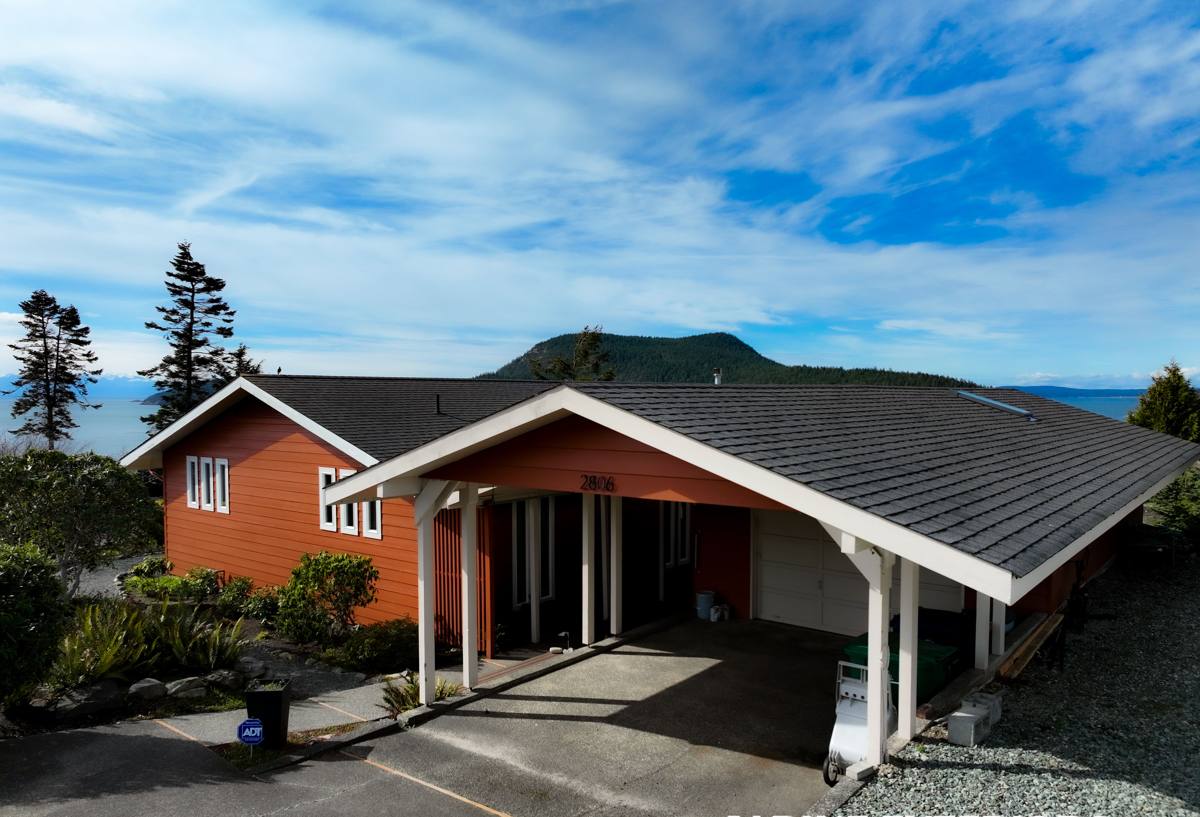
South Hill sits on one of Bellingham's higher points, with a mix of older established homes and newer builds looking out toward Bellingham Bay and the San Juans. That elevation and bay exposure is part of what makes the neighborhood desirable — and part of what makes exterior maintenance a different job than it is a few miles inland. Wind off the water, driving rain through most of the fall and winter, and a long stretch of gray, damp months add up over the years, especially on siding, roofing, and trim that wasn't built with this specific climate in mind.
We're a Bellingham-based exterior contractor working siding, roofing, windows, and decks across Whatcom County, and South Hill is a neighborhood we're in regularly. This page covers what we actually see on South Hill exteriors and how we approach the work.
What South Hill's Climate Does to a House
Salt Air and Wind Exposure
Homes on the hill and closer to the bay catch salt-laden air and wind that homes further inland don't deal with as much. Salt air accelerates corrosion on fasteners, flashing, and any metal components on a home's exterior, and it can degrade lower-quality paint finishes faster than manufacturers' published lifespans suggest. It's not dramatic damage in any single season — it's cumulative, and it shows up first on the north and west-facing sides of a house that take the brunt of the weather.
Driving Rain
Bellingham's rain isn't just frequent, it's often wind-driven, which pushes moisture into seams, laps, and joints that would stay dry in a calmer climate. This is where installation quality matters as much as the material itself — a good product installed with poor flashing and gapping details will still let water in. We see this most on older homes where trim, siding butt joints, and window flashing were done to the standards of decades past, not current wind-driven-rain expectations.
Moss Season
South Hill's tree canopy and the region's long wet season create ideal conditions for moss and algae growth on roofs, siding, decks, and anywhere shade and moisture combine. Moss holds water against a surface far longer than open air would, and on wood-based materials that's a direct path to rot. On a roof, moss lifts shingles and shortens their service life. Managing moss isn't a one-time fix — it's an ongoing part of home maintenance in this part of Whatcom County.
Siding: What Holds Up on South Hill Homes
We install James Hardie fiber cement siding exclusively — we don't install vinyl, LP SmartSide, Cemplank, Allura, primed spruce, or cedar. That's a deliberate standard, not a limitation of what we're capable of installing.
Wood-based siding, including primed spruce and cedar, is the material most vulnerable to South Hill's combination of shade, wind-driven rain, and moss. Wood absorbs moisture, and once moisture gets behind a compromised paint or coating layer, rot can spread before it's visible from the ground. Vinyl handles moisture fine on its own, but it expands and contracts with temperature swings, can distort or crack in strong coastal wind, and its color is baked into a thin surface layer that fades over time rather than the deeper, factory-cured finish Hardie uses. LP SmartSide is an engineered wood product — better than raw wood in some respects, but it's still wood-based at its core, meaning cut edges and joints need diligent sealing to keep moisture out over the long run, which matters more here than in a drier climate.
James Hardie fiber cement is cement, sand, and cellulose fibers — it doesn't rot, it's not attractive to pests, and it's non-combustible. The ColorPlus finish is baked on at the factory rather than field-painted, which holds up better against UV and salt air than a job-site paint job, and it comes with a strong transferable warranty. Hardie's HZ5 product line is engineered specifically for climates like ours with more freeze-thaw cycling and sustained moisture exposure. It's not the cheapest siding option up front, but for a hillside, bay-exposed neighborhood like South Hill, it's the material we're willing to put our name behind.
Siding Material Comparison
| Factor | James Hardie Fiber Cement | Vinyl | Wood / LP SmartSide |
|---|---|---|---|
| Moisture & rot resistance | Does not rot; cement-based core | Doesn't rot, but seams/gaps can trap moisture behind it | Vulnerable if coatings fail or edges aren't sealed |
| Salt air / coastal durability | Factory ColorPlus finish holds up well | Can chalk, fade, and become brittle over time | Finish maintenance is more frequent near the coast |
| Fire rating | Non-combustible | Combustible | Combustible |
| Moss & algae resistance | Resists staining better; cleans up well | Can stain and is harder to fully clean | Moss holds moisture against wood, accelerating rot |
| Maintenance | Low; occasional wash | Low, but repairs are visible and hard to color-match | Repainting/resealing on a recurring cycle |
| Warranty | Long, transferable manufacturer warranty | Varies by product line | Varies; often shorter on finish/coating |
Roofing on South Hill
Roofs in this neighborhood deal with moss more than almost any other single issue, driven by tree cover and shade combined with a climate that rarely dries anything out for long. Beyond moss, wind-driven rain finds weak points at flashing, valleys, and penetrations faster than it would in a calmer climate, so those details matter more here than the shingle brand itself. When we're on a South Hill roof, we're looking at underlayment condition, flashing at chimneys and valleys, and ventilation, not just the shingles on top. Good attic ventilation also helps control the moisture that drives moss growth from underneath.
Windows
Older South Hill homes often still have original or early-replacement windows that were never sealed to current wind-driven-rain standards. Beyond comfort and energy loss, poorly flashed or aging windows are one of the more common hidden water-entry points we find during siding tear-off — moisture gets behind old trim and travels before it ever shows up as a stain inside. When we replace siding on a South Hill home, we check window flashing and trim details as part of the job, not as an afterthought, because getting that wrong undermines everything installed around it.
Decks
A deck on a shaded, tree-covered lot in South Hill deals with the same moss and moisture pressure as the roof and siding, plus direct foot traffic and standing water on horizontal surfaces. Ledger board attachment and flashing where a deck meets the house is one of the most common failure points we see — it's a spot where wind-driven rain and general moisture concentrate, and it's largely hidden until there's a real problem. Proper spacing between deck boards, correct flashing at the ledger, and materials suited to sustained damp conditions all matter more here than in a drier region.
Why a Local Whatcom County Crew Matters
Exterior work in South Hill isn't generic exterior work. A crew that mainly works drier, inland climates will often under-detail flashing and moisture management because they haven't had to answer for the consequences the way a Bellingham-based crew has. We're in Whatcom County year-round, we see the callbacks from other companies' shortcuts, and we build our installation details — lap spacing, flashing, fastener choice — around what this specific climate does to a house over ten, twenty, thirty years, not around a generic manufacturer install guide written for a national audience.
Being local also means we're not driving in from out of the area for a warranty callback or a follow-up question. That matters on a hillside neighborhood where access and site conditions can vary block to block.
Signs a South Hill Home's Exterior Needs Attention
- Moss or dark streaking building up on the roof, siding, or deck surfaces
- Paint that's peeling, bubbling, or chalking, especially on north- or west-facing walls
- Siding that feels soft, spongy, or visibly warped when pressed
- Windows that feel drafty, fog between panes, or show staining on interior trim
- Deck boards that are cupping, checking, or soft near the house connection
- Gutters overflowing or pulling away from the fascia during heavy rain
- Visible gaps or cracking at siding joints, corners, or trim
How We Approach a South Hill Project
We start with an on-site look at the whole exterior system — siding, roofing, windows, and any decks — because problems in one area often trace back to another. From there we give a straightforward assessment of what needs attention now versus what can be monitored, and for siding replacement we explain why we'll only quote James Hardie fiber cement rather than a lower-cost alternative. We're not interested in selling a product we wouldn't stand behind in this climate, even if it means a longer conversation about cost.
If you're in South Hill and dealing with moss buildup, aging siding, a roof that's due, or windows that let in more weather than they should, we're glad to take a look and give you a straightforward, no-pressure estimate — just fill out the form below.