 Bellingham Exterior
 Exterior Contracting Built for York's Older Housing Stock
York is one of Bellingham's established, close-in neighborhoods, and that shows in the homes: a mix of older single-family houses, some newer infill, and exterior siding and roofing that has usually been through several Pacific Northwest winters already. Working in a neighborhood like this means paying attention to details a newer subdivision wouldn't have — older trim profiles, mature trees shading roofs and siding for months at a time, and homes close enough together that drainage and runoff from one lot affect the next. We approach every York project as a full exterior system: siding, roofing, windows, and decks all have to work together to keep water out and keep the home looking sharp for decades, not just years.
Bellingham sits in Whatcom County, close enough to Bellingham Bay that salt-laden air is a real factor for exterior materials, and far enough into the Pacific Northwest rain belt that driving rain and long stretches of damp, low-light weather define the maintenance calendar. Add in a moss season that can run most of the year on shaded elevations, and you have a climate that is genuinely tough on the wrong materials — and very manageable with the right ones, installed correctly.
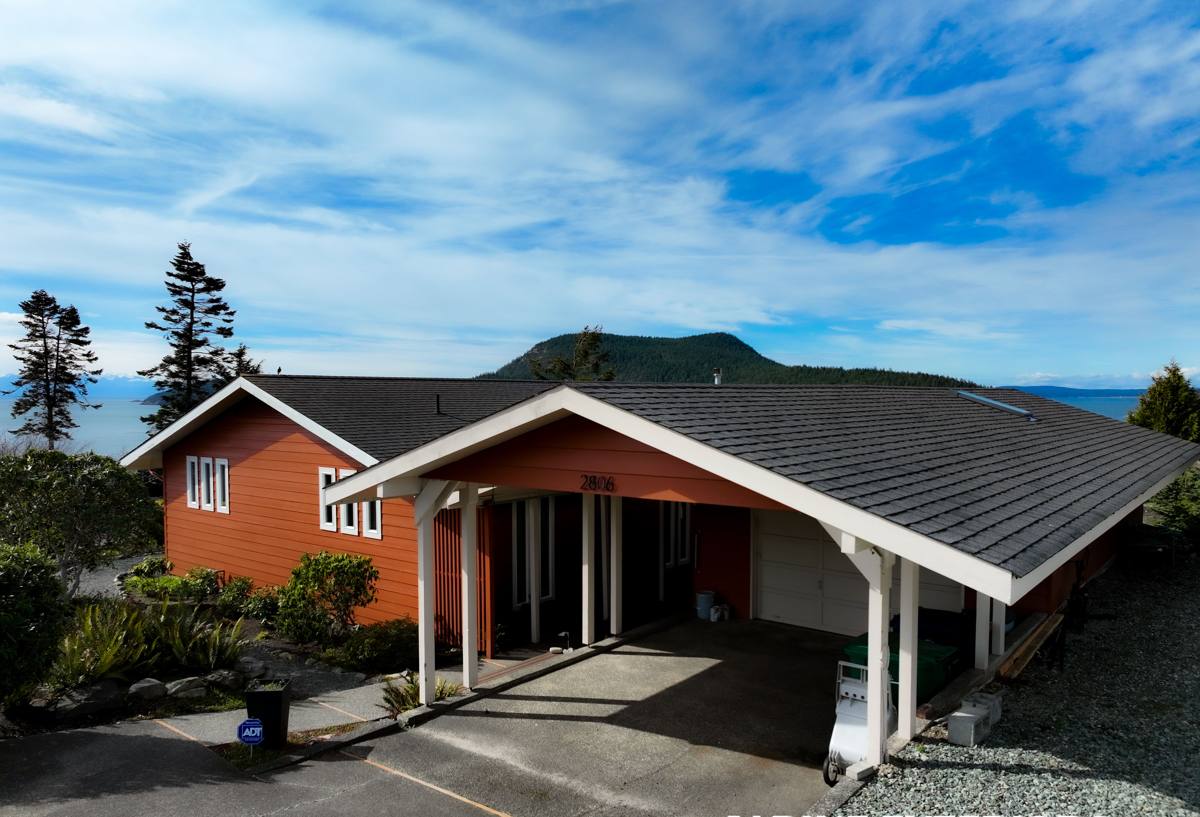
What the Climate Actually Does to a York Home
It's worth being specific about the mechanisms, because "wet climate" undersells what's actually happening to a house over ten or twenty years.
Salt Air and Moisture Cycling
Homes in and around Bellingham are close enough to the water that airborne salt reaches siding, trim, fasteners, and roofing hardware. Combined with near-constant humidity, this accelerates corrosion on unprotected metal fasteners and flashing, and it speeds up the breakdown of paint films and wood fibers on siding that isn't engineered to resist moisture absorption.
Driving Rain and Wind-Driven Wetting
Storms coming off the Sound don't just fall straight down — wind pushes rain sideways into wall assemblies, especially on west- and south-facing elevations. That means seams, laps, window flashing, and butt joints take more punishment here than they would in a drier, calmer climate. A siding system with weak joints or a housewrap detail that's slightly off will show it within a few winters.
Moss, Algae, and Shade
Mature trees are one of the best things about a neighborhood like York, but they also mean extended shade on roofs and north-facing walls. Shade plus moisture equals moss and algae growth, which holds water against surfaces, degrades roofing granules over time, and stains siding — particularly wood-based or fiberboard products that aren't factory-sealed against it.
Freeze-Thaw at the Margins
Whatcom County doesn't see extreme cold most winters, but it does see enough freeze-thaw cycling to matter. Water that gets into a compromised siding joint, a cracked board, or unsealed end-cut can freeze, expand, and widen the damage — a slow process that's easy to miss until paint starts failing or boards start to swell.
Siding: Why We Only Install James Hardie
We install James Hardie fiber cement siding exclusively. We don't install vinyl, LP SmartSide, Cemplank, Allura, primed spruce, or cedar. That's a deliberate standard, not a lack of options, and it's worth explaining plainly rather than just asserting it.
Vinyl is inexpensive and low-maintenance in the sense that it doesn't need painting, but it's a thin plastic product that can crack in cold snaps, warp under heat and reflected sunlight, and fade in UV over time — and once it fades, you're not touching it up, you're replacing panels. In a climate with real wind-driven rain, vinyl's lap-and-lock installation also depends heavily on correct fastening for weather resistance; done wrong, water tracks behind it.
Wood products — cedar and primed spruce — look great initially but require the most ongoing maintenance of any siding option: repainting or restaining on a multi-year cycle, caulking joints, and constant vigilance against moisture intrusion, insect damage, and rot. In a neighborhood with heavy tree cover and long damp seasons, wood siding is fighting an uphill battle against moss and mildew almost year-round.
Other fiber cement brands, like Cemplank and Allura, are technically similar to James Hardie in material composition, but we've standardized on Hardie specifically because of its factory-applied ColorPlus finish, its regionally engineered HZ5 product line built for climates like ours, and the strength and clarity of its transferable warranty. Consistency in one product line also means our crews install it the same correct way on every job, every time — no guessing at a manufacturer's specific fastening or flashing requirements.
James Hardie Product Lines We Install
| Product | Best Use | Why It Fits This Climate |
|---|---|---|
| HardiePlank Lap Siding | Primary wall cladding | Most common Hardie product; factory-finished, resists moisture absorption and moss staining |
| HardiePanel Vertical Siding | Accent walls, gables, modern facades | Clean lines, pairs well with trim details common on York-area homes |
| HardieTrim Boards | Corners, window and door casing, fascia | Dense, engineered board resists the swelling and rot that affects wood trim |
| HardieShingle Siding | Accent or full shingle-style elevations | Gives the look of cedar shingle without the maintenance burden |
Roofing for Wet, Shaded, Salt-Exposed Roofs
A roof in York is dealing with the same three stressors as the siding: moisture, shade-driven moss, and salt-influenced corrosion on metal components. We look closely at ventilation, underlayment quality, and flashing details at every penetration and valley — these are the spots where a marginal roof job turns into an active leak within a few seasons. On heavily shaded lots, we'll talk through moss-resistant roofing options and realistic maintenance expectations rather than pretending any roof material is maintenance-free under mature tree canopy.
We also pay close attention to how the roof edge interacts with the siding and trim below it. A roof that sheds water correctly but dumps it straight onto unprotected trim, or a kickout flashing that's missing at a roof-to-wall intersection, will cause siding failure that has nothing to do with the siding product itself. This is the kind of detail that gets missed when roofing and siding are treated as separate, unrelated jobs instead of one connected water-management system.
Windows: Sealing the Weak Points
Windows are one of the most common sources of water intrusion in older homes, not because the glass fails, but because the flashing and sealant around the frame degrade over time — especially under the wind-driven rain conditions common here. When we replace windows, we treat the flashing and integration with the siding as seriously as the window unit itself. A well-installed window ties into the water-resistive barrier and siding so that water is directed out and down, never behind the cladding. We also talk with homeowners about energy performance, since well-sealed, properly glazed windows make a real difference in heating costs through a long, damp Whatcom County winter.
Decks: Built for Rain, Shade, and Ground Contact
Decks in a climate like this take a beating from standing moisture, shaded damp conditions underneath, and moss growth on horizontal surfaces that never fully dry out between rain events. We build and repair decks with attention to proper drainage, ledger board flashing (a common failure point where decks meet the house), and material choices that hold up to constant moisture cycling rather than just looking good on installation day. Whether it's a full rebuild or replacing failing boards and railings, the goal is a deck that sheds water instead of trapping it.
Why a Local Crew Matters in a Neighborhood Like York
Exterior work in an established neighborhood isn't the same as working a brand-new subdivision. Older homes often have layers of prior repairs, non-standard framing, or trim details that need to be matched or thoughtfully updated. Lots are closer together, trees are mature, and access can be tighter. A crew that works across Bellingham and Whatcom County regularly knows what to expect from this specific mix of housing age, tree cover, and coastal weather — and shows up prepared for it, rather than treating it as a one-off surprise.
Local also means accountability. We're not passing through; we're doing work that has to hold up through the next twenty Bellingham winters, on homes near our own crews and neighbors.
What to Expect From an Exterior Project
- An on-site assessment of your current siding, roofing, windows, or deck condition, with honest notes on what's failing versus what's cosmetic
- A clear, itemized estimate before any work begins — no vague allowances
- Discussion of moisture and drainage issues specific to your lot, including tree shade and grading
- Product and color selection support, including James Hardie ColorPlus options where siding is involved
- A defined installation timeline and a walkthrough at completion
- Documentation of manufacturer warranties on materials used
Signs It's Time to Call
Homeowners often wait too long on exterior issues because the damage isn't obvious from the ground. A few signs worth acting on:
- Paint that's peeling, bubbling, or chalking heavily on siding or trim
- Soft or spongy spots when you press on wood trim or fascia
- Persistent moss or dark streaking on roofing or north-facing walls
- Visible gaps or separation at siding seams, window trim, or roof flashing
- A deck that feels soft underfoot near the ledger board or posts
- Rooms near exterior walls that feel drafty or damp in winter
If you're in the York neighborhood and want a straight answer on the condition of your siding, roof, windows, or deck, we're glad to take a look. The estimate is free, there's no pressure, and you'll get a clear explanation of what we see and what we'd recommend — use the form below to get started.