 Bellingham Exterior
 Roofing in Sunnyland: A Different Set of Problems Than Inland Bellingham
Sunnyland sits close enough to Bellingham Bay that salt-laden air is a constant part of the picture, on top of everything else Whatcom County weather already throws at a roof. That combination — salt exposure, near-constant winter drizzle, and a moss season that can run eight months out of the year — wears roofing systems down in ways that don't always show up on a simple visual inspection. A roof that looks fine from the street can already have compromised fasteners, saturated underlayment, or moss roots working into the shingle mat underneath.
When we install a new roof in Sunnyland, we're not just following a generic installation checklist. We're accounting for the specific stresses this neighborhood's homes face: older housing stock with roof decks that may have been re-covered more than once, mature tree canopy that keeps sections of roof shaded and damp longer than open lots, and a marine-influenced microclimate that behaves a little differently than roofs even a few miles inland.
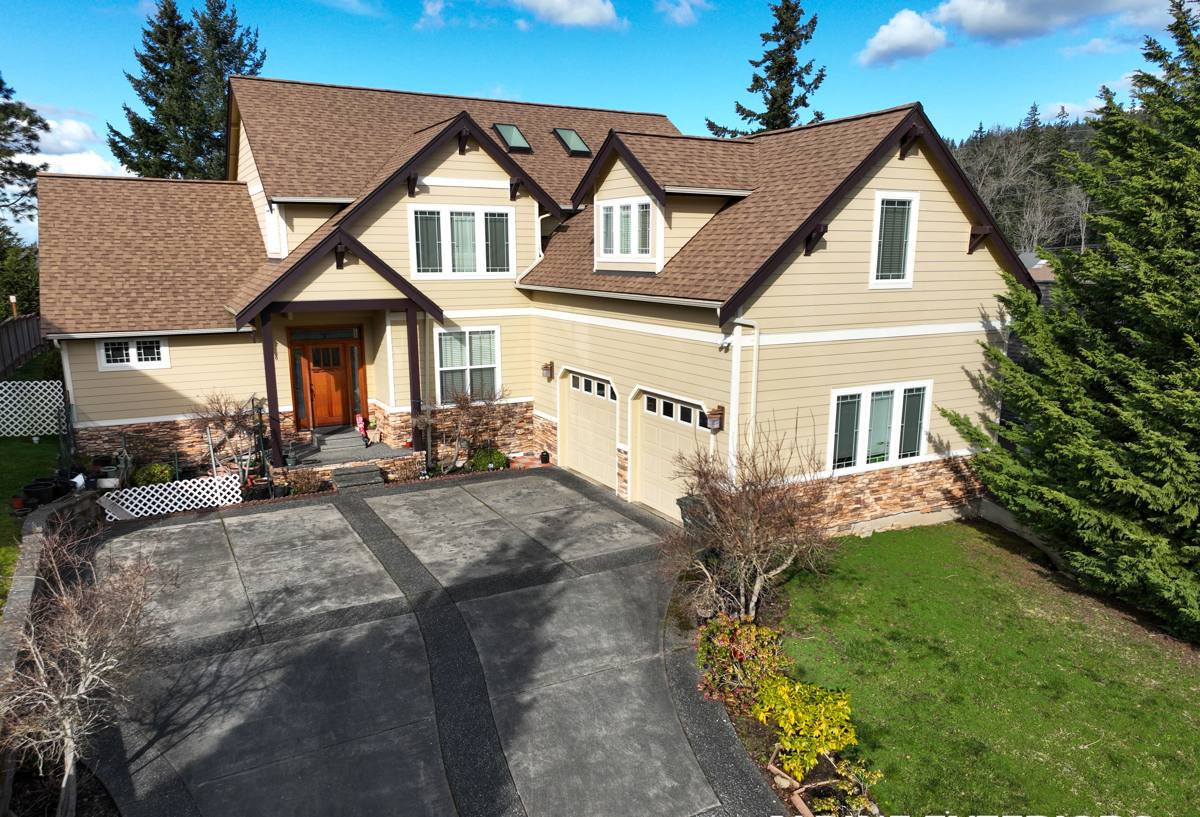
What Salt Air, Rain, and Moss Actually Do to a Roof
Salt Air and Metal Components
Proximity to the bay means airborne salt settles on every exposed surface, including flashing, fasteners, vents, and any exposed metal trim. Standard galvanized fasteners and lower-grade flashing corrode faster in this environment than they would on a roof further from the water. Over years, that corrosion can compromise the very components responsible for keeping water out at seams, valleys, and penetrations — often long before the shingles themselves are due for replacement.
Driving Rain and Wind-Driven Moisture
Bellingham's winter storms frequently bring rain at an angle, not straight down. That matters because wind-driven rain can find its way under improperly lapped shingles, undersized flashing, or fastener patterns that don't meet manufacturer wind-rating specs. A roof built for a drier climate's standard install pattern isn't automatically built for ours.
Moss and Prolonged Moisture Retention
Moss doesn't just look bad — it holds moisture against the roof surface long after the rain stops, and its root structures work into shingle granules and mat fibers over time. Shaded sections of a roof, common in Sunnyland's tree-lined streets, can stay damp for days after a storm, which accelerates moss growth and shortens the effective life of the roofing material underneath it.
Signs a Sunnyland Home May Be Due for a New Roof
- Granules collecting in gutters or at downspout outlets, especially after wind events
- Moss or dark streaking that returns within months of cleaning
- Curling, cupping, or cracked shingles, particularly on south- and west-facing slopes
- Soft spots in the roof deck detectable when walked, or visible sagging along the ridge or eaves
- Rusted or corroding flashing around chimneys, vents, and skylights
- Daylight visible through the attic roof deck, or water staining on attic sheathing
- A roof that's 20+ years old and has never had a full tear-off, only overlays or spot repairs
Any one of these on its own might just mean a repair. Several at once, especially on an older roof, usually means it's time to talk about full replacement rather than continuing to patch.
What a Correct New Roof Installation Involves
A quality installation isn't just laying new shingles over what's already there. For Sunnyland's climate conditions, a proper job includes:
Full Tear-Off and Deck Inspection
We remove the old roofing down to the deck so we can actually see what's underneath — rot, soft sheathing, or prior water damage doesn't get discovered by accident years later. Any damaged decking gets replaced before anything new goes down, since a new roof over a weak deck is a new roof with a short lifespan.
Underlayment Built for Wet Climates
Given how much of the year this region spends under cloud cover and rain, we use underlayment products suited to prolonged moisture exposure rather than the minimum a manufacturer allows. This is one of the areas where cutting corners doesn't show up as a problem for a few years — and then shows up all at once.
Corrosion-Resistant Flashing and Fasteners
Because of the salt air exposure common in bayside neighborhoods like Sunnyland, we pay close attention to flashing and fastener material selection at valleys, chimneys, vent penetrations, and roof-to-wall transitions — the places where a roof actually fails first, long before the field of shingles wears out.
Ventilation That Matches the Home
Proper intake and exhaust ventilation keeps the attic dry and temperature-balanced, which matters for moss prevention on the roof surface and for preventing condensation damage inside the attic. A lot of older Sunnyland homes were built with ventilation that was adequate decades ago but undersized by current standards.
Manufacturer-Spec Nailing and Wind Ratings
We install to the fastener count and pattern the shingle manufacturer specifies for our wind exposure, not a minimum pattern meant for calmer regions. This is what actually keeps a roof intact during the driving-rain windstorms that roll through in fall and winter.
Our Process, Start to Finish
- On-site inspection and estimate: We walk the roof (not just the yard), check the attic where accessible, and give you an honest read on condition — repair versus replacement.
- Written scope and material selection: You get a clear breakdown of what's being torn off, what's being replaced, and which materials are being used and why, matched to Sunnyland's exposure conditions.
- Scheduling around the weather: We plan installation windows with Whatcom County's rain patterns in mind, and we protect exposed decking if weather turns mid-project.
- Tear-off and deck repair: Old materials come off, the deck gets inspected, and any compromised sheathing is replaced before moving forward.
- Installation: Underlayment, flashing, ventilation components, and roofing material go on to manufacturer spec, with extra attention at the vulnerable points listed above.
- Cleanup and final walkthrough: Site debris and nail sweep, then a walkthrough so you understand what was done and what maintenance, if any, to expect going forward.
Roofing Material Options and Trade-Offs for This Climate
There's no single "best" roofing material for every home — it depends on your budget, roof pitch, and how much long-term maintenance you want to take on. Here's how the common options stack up for a salt-air, high-moisture, moss-prone environment like Sunnyland:
| Material | Moss Resistance | Salt Air Durability | Maintenance Level |
|---|---|---|---|
| Asphalt Composition Shingle | Moderate — benefits from algae-resistant granules | Good with proper flashing materials | Low to moderate; periodic moss treatment recommended |
| Metal Roofing | High — sheds moisture, little for moss to root into | Depends heavily on coating and fastener quality | Low once properly installed |
| Cedar Shake | Low without regular treatment | Fair, but organic material retains moisture | High; needs regular maintenance in wet climates |
| Synthetic/Composite Shingle | Good — engineered to resist organic growth | Good | Low |
We'll talk through these trade-offs honestly during your estimate rather than steering you toward whatever is easiest for us to install. The right choice depends on your roof's exposure, your budget, and how much upkeep you're willing to do.
Cost Factors Homeowners Should Understand
We're not going to quote a number here that doesn't reflect your actual roof — every job depends on size, pitch, layer count, and deck condition. But these are the factors that most affect the final price on a Sunnyland roof replacement:
- Number of existing layers: Homes with a prior overlay require extra tear-off labor and disposal.
- Deck condition: Rot or soft sheathing discovered during tear-off adds material and labor not visible in a surface estimate.
- Roof complexity: Valleys, dormers, chimneys, and multiple roof planes all add labor and flashing material.
- Material choice: Asphalt, metal, and composite products carry different material and installation costs.
- Ventilation upgrades: Bringing older attic ventilation up to current standards may add scope but pays off in roof longevity.
- Access and site conditions: Steep pitches, tight lot lines, or limited driveway access can affect labor time.
Why Local Experience in Sunnyland Actually Matters
A crew that regularly works Bellingham and Whatcom County neighborhoods like Sunnyland already knows which flashing and fastener grades hold up near the bay, which underlayment specs make sense for a climate that rarely gives a roof a long dry stretch, and where moss tends to establish itself on local roof lines based on tree cover and sun exposure. That's not something you can pull from a generic roofing manual — it comes from doing the work here, repeatedly, and seeing what actually lasts versus what fails early.
It also means we're accountable locally. We're not a traveling crew that installs and disappears; if something needs a look after a storm, we're a phone call away, not a state away.
Maintenance After Installation
A correctly installed roof still benefits from basic upkeep, especially given our climate:
- Keep gutters clear so water isn't backing up under the roof edge
- Trim back overhanging branches to reduce shade, debris, and moss pressure
- Have moss growth treated before it establishes rather than after
- Schedule a periodic visual check after major windstorms
- Address any flashing or fastener corrosion early rather than waiting for a leak
None of this is complicated, but skipping it is one of the most common ways a well-installed roof loses years off its expected lifespan in a marine climate like ours.
Get a Straight Answer About Your Roof
If you're dealing with moss that keeps coming back, flashing that's showing corrosion, or a roof that's simply reached the end of its reasonable service life, we're happy to take a look and give you an honest assessment — repair, or replacement, whichever the roof actually needs. Reach out for a free, no-pressure estimate using the form below.