 Bellingham Exterior
 Roof Repair Built for Sehome's Climate
Sehome sits close enough to Bellingham Bay that salt-laden air is a constant presence on roofing materials, and far enough into Whatcom County's wet-winter pattern that driving rain and long stretches of overcast, damp weather are the norm rather than the exception. Add in a moss season that can run from early fall through late spring, and you have a roofing environment that punishes anything less than a properly executed repair. We work on homes throughout Sehome and the surrounding Bellingham neighborhoods, and we see the same pattern again and again: a roof that looked fine from the ground for years, then failed fast once moss, trapped moisture, or a small flashing gap finally caught up with it.
Roof repair in this part of Washington isn't just about patching a leak. It's about understanding why that leak happened in the first place, and making sure the fix addresses the cause instead of just the symptom.
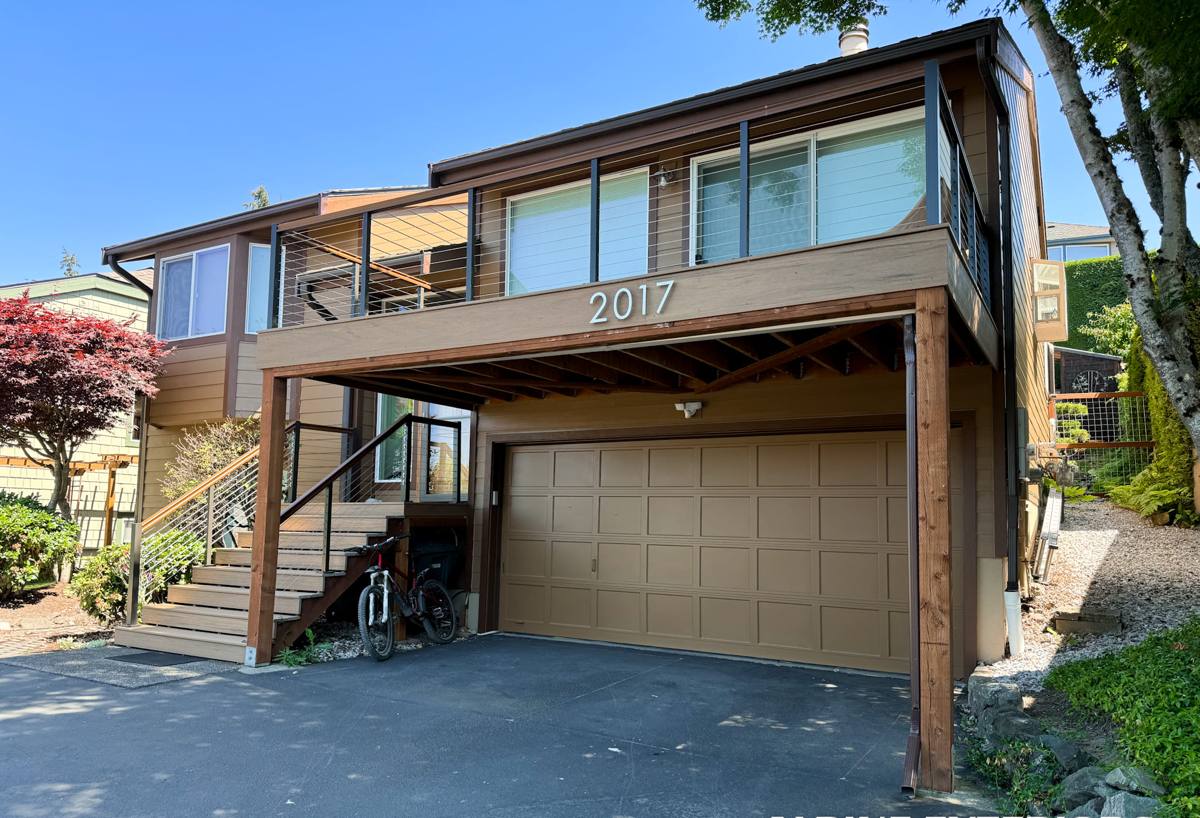
Why Local Homes Need More Than a Quick Patch
Salt Air Accelerates Metal Corrosion
Flashing, fasteners, gutters, and any exposed metal on a roof system are all vulnerable to the slow corrosive effect of salt-carrying air off the bay. A fastener that would last decades inland can start rusting and backing out years earlier here. When we repair a roof in Sehome, we check every metal component in the repair area, not just the shingles, because a leak often traces back to a corroded nail or a flashing seam that's lost its seal.
Driving Rain Finds Every Gap
Wind-driven rain doesn't behave like a gentle shower. It pushes water sideways and upward under shingle edges, into valleys, and behind flashing that would otherwise shed water fine in calm conditions. A repair that looks watertight on a dry day can still leak during a real Whatcom County storm if the underlying laps, seals, and flashing details aren't done correctly.
Moss Season Is Long and Relentless
Cool temperatures, shade, and consistent moisture are exactly what moss needs to thrive, and Sehome's tree cover and damp winters provide all three for much of the year. Moss doesn't just look bad — it holds water against the roofing surface, lifts shingle edges as it grows, and works its way into granule layers and seams, creating the conditions for exactly the kind of leaks we get called out to fix.
Common Repair Issues We See in Sehome
- Moss-related shingle lifting — moss growing under shingle tabs pries them up just enough to let wind-driven rain in
- Failed or corroded flashing — around chimneys, skylights, and roof-to-wall transitions, especially on older homes
- Valley wear — valleys carry the most water volume on any roof and show wear first in a high-rainfall climate
- Nail pops and fastener backout — often accelerated by corrosion in salt-influenced air
- Clogged or damaged gutters causing water backup — under the roof edge rather than off of it
- Ridge cap and hip cap deterioration — these take the most direct weather exposure on the whole roof
- Soft or spongy decking — a sign that a small leak has been present long enough to start affecting the wood underneath
What a Correct Roof Repair Actually Involves
A repair that holds up through a real Bellingham winter isn't just about matching shingles and calling it done. Every repair we do follows the same basic discipline:
1. Find the Actual Source
Water often travels along the underside of the decking or down a rafter before it shows up as a stain inside the house, so the visible leak location and the actual point of entry can be several feet apart. We trace the path before we start cutting into anything.
2. Address What's Underneath, Not Just the Surface
If underlayment, decking, or flashing is compromised, replacing shingles alone won't fix anything — it just hides the problem for another season. We open up the repair area enough to check the layers a homeowner can't see from the ground.
3. Match Materials and Techniques to What's Already There
Repairs on an older roof need to account for the existing material's age, exposure, and installation style so the patch performs consistently with the surrounding roof rather than creating a new weak point at the edges of the repair.
4. Clean Up Contributing Conditions
If moss, overhanging branches, or clogged gutters contributed to the failure, we address those too. A repair without addressing the underlying moisture source is a repair that comes back.
Our Process, Start to Finish
- Inspection. We look at the whole roof, not just the reported leak area, since one problem spot often signals others nearby.
- Diagnosis and explanation. We show you what we found and explain what's causing it in plain terms before recommending a fix.
- Written scope and estimate. You know what's being done and roughly what it will cost before work starts.
- Repair. We work efficiently but don't cut corners on flashing details, fastener placement, or sealing — the parts of a repair that determine whether it lasts.
- Cleanup and check. Debris removed, gutters cleared if they were part of the problem, and a final check that the repair area is fully sealed.
Repair or Replace? How We Help You Decide
Not every roof problem needs a full replacement, and not every leak can be reasonably solved with a patch. Here's how we generally think about it:
| Factor | Leans Toward Repair | Leans Toward Replacement |
|---|---|---|
| Age of roofing material | Roof is within its expected service life | Roof is near or past its expected lifespan |
| Extent of the problem | Isolated to one area (valley, flashing, one section) | Widespread granule loss, curling, or multiple failure points |
| Decking condition | Solid, dry wood found under the repair area | Soft, rotted, or repeatedly wet decking across the roof |
| Moss and moisture history | Minor moss, addressed with cleaning and one repair | Long-term moss damage affecting multiple areas |
| Cost over time | Repair cost is modest relative to remaining roof life | Repeated repairs are starting to add up against replacement cost |
We'll always tell you honestly which side of that table your roof falls on. A repair that's genuinely enough doesn't need to be upsold into a replacement, and a roof that's genuinely done doesn't deserve another patch that won't hold.
Materials and Our Standards
For repair work, we match materials to what's already on the roof wherever possible, since mixing incompatible products or techniques is a common source of early repair failure. Where we do recommend an upgrade — heavier-gauge flashing, a better underlayment in a valley, or a different fastener type — it's because that component is directly exposed to the conditions that caused the original failure, not because we're pushing a product line. Our standard on any repair is that flashing details and sealing get done to hold up against wind-driven rain, not just typical weather, since that's the condition that actually tests a repair in this climate.
The Role of Moss and Debris Removal in a Lasting Repair
A roof repair and a roof cleaning aren't the same service, but in Sehome they're often connected. Moss growth, needle buildup from surrounding trees, and gutter debris all hold moisture against the roofing surface long after rain has stopped, which shortens the life of any repair done nearby. When moss is contributing to the problem, we remove it as part of the repair rather than working around it, and we'll flag ongoing maintenance — periodic moss treatment, gutter clearing, branch trimming — that keeps the same issue from resurfacing in a year or two.
Signs You Likely Need a Roof Repair
- A water stain on a ceiling or wall that appears or grows after heavy rain
- Visible moss growth, especially on north-facing or shaded slopes
- Shingles that look lifted, curled, or are missing granules in patches
- Rusty streaks running down from flashing or metal roof components
- Gutters that overflow or sag, or visible sediment buildup in them
- Daylight visible through the roof deck from inside an attic
- A musty smell in an attic or upper-floor closet during wet months
If you're seeing any of these, it's worth getting a look before the next storm rather than after.
Why Hiring a Crew That Already Works Sehome Matters
Roof repair advice that works for a dry inland climate doesn't automatically translate to Whatcom County conditions. A crew that regularly works Bellingham roofs already knows which flashing details tend to fail first under driving rain, how aggressively moss establishes itself on shaded, tree-covered lots, and what fastener and material choices hold up against salt air over time. That local experience shows up in fewer callbacks and repairs that are sized correctly the first time — not overbuilt, not undersized, just matched to what the property and the climate actually demand.
We also know that Sehome's mix of older housing stock and more recently updated homes means every roof has its own history. We treat each repair as its own diagnosis rather than applying a one-size-fits-all fix.
Get a Free, No-Pressure Estimate
If you're dealing with a leak, visible moss, or just want an honest read on your roof's condition before the next wet season sets in, we're happy to take a look. Fill out the form below for a free estimate — no pressure, no obligation, just a clear picture of what your roof needs and what it would take to fix it right.