 Bellingham Exterior
 Roofing in Puget Comes With Its Own Set of Problems
Puget homes sit close enough to the water and under enough tree cover that roofs here age differently than roofs twenty miles inland. Salt-laden air off the Sound accelerates corrosion on any exposed metal — nail heads, flashing, vent caps — long before the shingles themselves give out. Add driving rain that comes in sideways during winter storms, and a moss season that can run eight months out of the year in shaded, north-facing sections, and you've got a roof that's working harder than the manufacturer's warranty label ever accounts for. We've reroofed and repaired enough houses in this corner of Whatcom County to know that a shingle roof installed with generic, one-size-fits-all methods will underperform here. The materials, the flashing details, and the ventilation all need to be chosen with this specific climate in mind, not just the regional Pacific Northwest average.
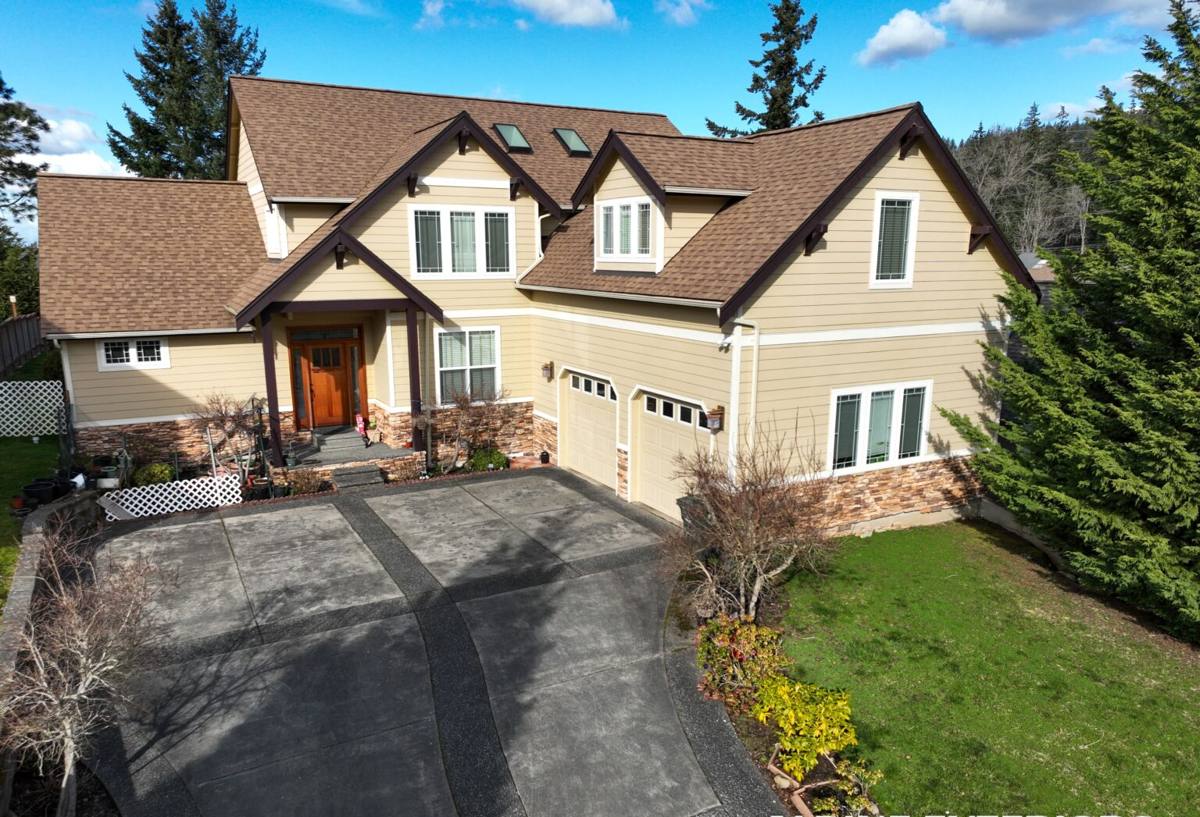
What Puget's Climate Actually Does to a Shingle Roof
Salt Air and Metal Fatigue
Proximity to salt water speeds up oxidation on anything metal. Exposed fasteners, cheap drip edge, and undersized flashing corrode faster here than they would on a roof further inland. Over time, corroded flashing loses its ability to shed water cleanly at valleys, chimneys, and wall intersections — and that's where leaks actually start, not usually in the field of the shingles themselves.
Driving Rain and Wind-Driven Water
Storms coming off the Sound don't just drop rain straight down — they push it sideways under shingle tabs and up under flashing laps if those details weren't installed with enough overlap and sealant discipline. A roof that would hold up fine in a calmer climate can leak here simply because the installer didn't account for wind-driven rain finding every shortcut in the assembly.
Moss, Shade, and Moisture Retention
Wherever tree cover keeps a roof slope shaded and damp, moss and algae take hold. Moss isn't just cosmetic — its root structure works into the shingle mat, lifts tabs, and holds water against the roof surface long after the rest of the roof has dried out. That constant moisture cycling shortens shingle life significantly on north-facing and heavily shaded slopes compared to sections that get regular sun and airflow.
What a Correctly Installed Shingle Roof Needs Here
A roof built for Puget's conditions isn't fundamentally different in its materials — it's different in the details most crews skip to save time. Here's what we treat as non-negotiable:
- Ice-and-water shield or a comparable self-adhering membrane at eaves, valleys, and around every roof penetration, not just where code minimums require it
- Corrosion-resistant flashing at every wall intersection, chimney, and skylight — not standard mill-finish metal that starts pitting within a few salt-air seasons
- Proper shingle nailing pattern and nail count sized for wind exposure, since coastal gusts put more lateral load on tabs than calm inland sites
- Balanced intake and exhaust ventilation so moisture from inside the house doesn't condense on the roof deck underside during our long wet stretches
- Wider-than-minimum overlap at laps and valleys to handle wind-driven rain rather than just straight-down rainfall
- A shingle product rated for algae resistance on any slope that sits in regular shade
Choosing the Right Shingle for a Puget House
Not every asphalt shingle on the market is a good fit for this climate. We steer homeowners toward products and specs that hold up to sustained moisture exposure rather than just looking good on a sunny sample board. That means algae-resistant granules as a baseline (not an upgrade) on any shaded slope, a manufacturer-rated wind resistance that matches or exceeds what this stretch of coastline actually sees, and a shingle mat construction — fiberglass versus organic — that won't absorb and hold water the way older organic-mat shingles do. We're upfront about the trade-offs: premium algae-resistant shingles cost more up front, but on a shaded Puget roof they can be the difference between a ten-year moss problem and a twenty-five-year roof that actually reaches its rated lifespan.
Common Shingle Options Compared
| Shingle Type | Typical Lifespan Here | Best Fit For | Trade-Offs |
|---|---|---|---|
| 3-Tab Asphalt | 12-18 years in shaded/coastal spots | Budget reroofs, low-slope simple roofs | Lower wind rating, moss takes hold faster, thinner mat |
| Architectural (Laminate) Asphalt | 20-30 years | Most Puget homes | Higher upfront cost, but far better wind and moisture performance |
| Algae-Resistant Architectural | 20-30 years, holds appearance longer | Shaded, north-facing, or tree-covered lots | Small cost premium over standard architectural |
| Premium/Designer Asphalt | 25-30+ years | Homes wanting a heavier, dimensional look | Highest material cost, longest warranty terms |
Our Process for a Puget Reroof
1. On-Site Assessment
We walk the actual roof — not just estimate from a satellite photo — and look specifically for the failure points this climate causes: corroded flashing, moss buildup in shaded valleys, soft decking near chimneys or bath vents, and gutter or drip edge damage from salt exposure. We'll tell you honestly if a section can be repaired rather than fully replaced.
2. Tear-Off and Deck Inspection
Once the old roofing is off, we inspect the deck itself. Years of moss retention or a slow leak can soften plywood or plank decking in ways that aren't visible from above. Any compromised sheathing gets replaced before a single shingle goes down — laying new roofing over a soft deck just hides the problem for the next owner to find.
3. Underlayment and Flashing
This is where most of the climate-specific work happens: self-adhering membrane at vulnerable areas, corrosion-resistant metal at every penetration and wall intersection, and careful attention to how water will actually move across the roof during a real Puget storm, not just a light rain.
4. Shingle Installation
Shingles go down with a nailing pattern and exposure matched to the manufacturer's high-wind specifications, with extra attention at ridges, hips, and eaves where wind uplift is highest.
5. Ventilation Check
We confirm intake and exhaust ventilation are balanced. Undersized or blocked ventilation is one of the most common hidden causes of premature shingle failure and deck rot in this climate, because trapped moisture has nowhere to go.
6. Final Walkthrough
We walk the finished roof with you, explain what was done and why, and go over basic maintenance — particularly moss management — so you know what to expect going into the wet season.
Repair, Partial Reroof, or Full Replacement?
Not every roof problem in Puget requires a full tear-off. We look at three factors before recommending anything: the age and remaining life of the existing shingles, how localized the damage is, and whether the deck underneath is sound. A roof with isolated moss damage on one shaded slope and otherwise healthy shingles elsewhere may only need spot repair and a moss treatment plan. A roof nearing the end of its rated life with widespread granule loss or multiple leak points is usually better served by a full reroof, since patching an aging roof piecemeal tends to cost more over time than doing it once, correctly.
Maintenance That Actually Extends Roof Life Here
A well-installed roof still needs upkeep in this climate. The checklist below covers what actually matters for a Puget shingle roof — not generic advice copied from a drier climate.
- Keep overhanging branches trimmed back to reduce shade, debris buildup, and moss growth on the roof surface
- Have moss treated and gently removed before it establishes root structure into the shingle mat, not after
- Clear gutters and downspouts each fall so wind-driven rain has somewhere to go instead of backing up under the eaves
- Check flashing around chimneys, skylights, and vent pipes periodically for early corrosion, especially closer to the water
- Watch for granule buildup in gutters, which signals accelerated shingle wear and is worth a professional look
- Address any interior ceiling staining immediately — by the time it's visible, water has usually been getting in for a while
Why a Local Crew Matters for This Job
Roofing crews who don't work this specific stretch of coastline regularly tend to install roofs the same way they would anywhere else in the Pacific Northwest — and that generic approach is exactly what leads to premature flashing failure and moss damage in Puget. We work in Bellingham and throughout Whatcom County routinely enough to know which slopes in this area tend to hold shade and moisture, how much wind exposure a given site actually sees off the water, and which flashing and underlayment upgrades are worth the cost here versus optional elsewhere. That local pattern recognition is the difference between a roof that's technically up to code and one that's actually built for what this specific area throws at it year after year.
What Influences Cost on a Puget Reroof
Every roof is different, but a few factors consistently move the price on jobs in this area more than homeowners expect.
| Factor | Why It Matters Here |
|---|---|
| Roof pitch and complexity | Steeper, multi-valley roofs take longer to flash correctly against wind-driven rain |
| Deck condition | Moss-related moisture damage often means replacing sections of sheathing, not just shingles |
| Shade exposure | Heavily shaded slopes justify algae-resistant shingles, which cost more but last longer here |
| Flashing scope | Homes with more chimneys, skylights, or wall intersections need more corrosion-resistant metal work |
| Ventilation upgrades | Older homes often need intake or exhaust vents added or corrected during a reroof |
We give straightforward, itemized estimates so you can see exactly what you're paying for and why — no vague lump-sum numbers that hide where the money's actually going.
If your roof is showing moss buildup, aging shingles, or you just want an honest read on where it stands, we're happy to take a look. Reach out for a free, no-pressure estimate using the form below.