 Bellingham Exterior
 Siding Installation for Happy Valley Homes
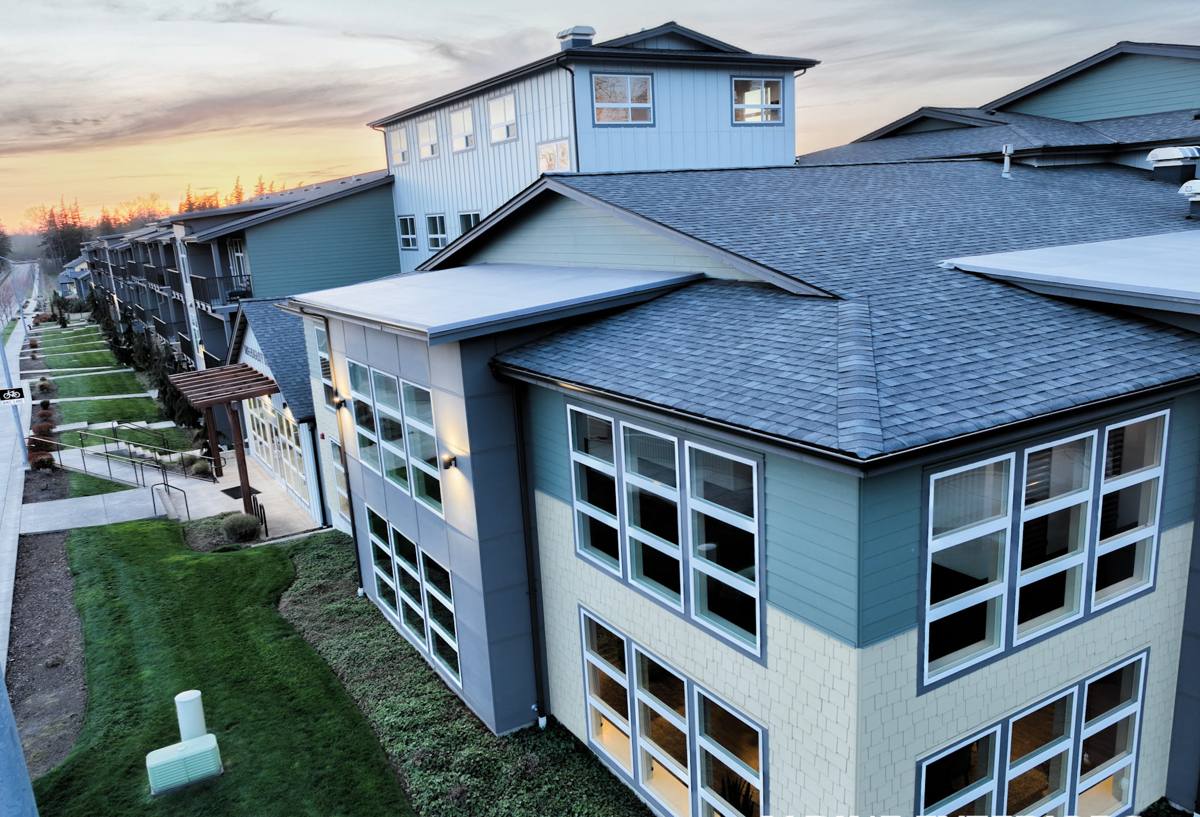
Happy Valley sits in the hilly, tree-canopied part of central Bellingham, close enough to Bellingham Bay to catch salt-tinged air off the water and hemmed in by mature trees that keep large sections of every roofline and wall in shade for much of the year. That combination — moisture, shade, and salt exposure — is a tough one for exterior siding, and it shows up differently here than it does on an open lot out in the county. If you own a home in Happy Valley and you're looking at cracked paint, soft trim, or siding that just never seems to fully dry out between storms, the fix isn't cosmetic. It's about matching the material and the installation to what this specific neighborhood actually throws at a house.
What Happy Valley's Climate Does to Siding
Three things define the exterior environment in this part of Bellingham, and all three compound each other.
Salt Air Off the Bay
Proximity to Bellingham Bay means a steady low-grade exposure to salt-laden moisture, especially on west- and north-facing walls. Salt air accelerates corrosion on fasteners, trim flashing, and any metal component that isn't rated for coastal exposure. It also breaks down paint films faster than an inland location would, which is one reason a factory-applied finish matters more here than it would fifty miles east.
Driving Rain
Bellingham's rain rarely falls straight down. Wind off the Strait and the Sound pushes it sideways into walls, which means siding here has to shed water horizontally, not just vertically. Laps, seams, and butt joints that would be fine in a calm-rain climate become entry points for water intrusion when rain is being driven into them at an angle for days at a stretch through the fall and winter.
A Long Moss Season
Between the tree cover and the persistent damp, Happy Valley's moss and algae season runs longer than it does in more open, sun-exposed parts of Bellingham. North-facing walls and anything shaded by overhanging branches can stay damp for weeks, and organic growth on siding isn't just unattractive — it holds moisture against the surface and, on the wrong material, accelerates rot and paint failure underneath.
What a Correct Installation Actually Involves
Most siding failures we're called out to inspect in this neighborhood aren't material failures — they're installation failures. The material held up fine; the details around it didn't. A correct job means getting the following right, every time, not just when it's convenient:
- A continuous, properly lapped weather-resistive barrier behind the siding, with every penetration (pipes, vents, hose bibs) flashed and sealed before the first board goes up
- Rigid flashing — not just caulk — over windows, doors, and any horizontal trim where water can collect
- Correct fastener placement and depth, driven straight and to manufacturer spec so the board isn't over- or under-driven and can still move slightly with temperature changes
- Proper clearance between the bottom of the siding and grade, decks, patios, and roof lines so water has somewhere to go instead of wicking up into the board
- Butt joints and seams caulked with a product rated for the movement and moisture cycling of this climate, not a generic caulk that will crack out in a season or two
- Ventilation behind the cladding so moisture that does get in has a way to dry out instead of sitting against the sheathing
Skip any one of these and you get a wall that looks fine on move-in day and starts failing in year three or four — right about the time most homeowners have stopped thinking about their siding at all.
Our Process on a Happy Valley Job
Because of the terrain and tree cover in this neighborhood, we start every project with a walk of the property before we talk product or price.
1. Assessment
We look at sun and shade exposure wall by wall, check for existing moisture damage at grade level and around windows, and note anything — overhanging limbs, downspout placement, grading — that's contributing to the problem rather than just the siding itself.
2. Tear-Off and Sheathing Check
Old siding comes off and we inspect the sheathing underneath. In a wet, shaded neighborhood like this one, it's not unusual to find soft or damaged sheathing behind older siding, especially near ground level or under leaking trim. We replace what needs replacing before anything new goes up — covering a wet wall with new siding just hides the problem.
3. Weather Barrier and Flashing
This is the step that determines whether the job lasts twenty years or five. We install a continuous weather-resistive barrier and flash every window, door, and penetration correctly, with extra attention on walls that catch driving rain or sit in near-constant shade.
4. Installation
Boards go up to manufacturer spec — correct fastener schedule, correct clearances, correct lap. We don't cut corners on nail spacing or clearance just to move faster.
5. Finish and Walkthrough
Trim, caulking, and touch-up finish work, then a walkthrough so you know what maintenance (if any) is actually needed going forward.
Why We Install James Hardie Fiber Cement — and Nothing Else
We install exclusively James Hardie fiber cement siding. Not vinyl, not LP SmartSide, not primed cedar or spruce. That's a deliberate standard, not a limitation on what we're capable of installing, and in a neighborhood like Happy Valley the reasoning is concrete rather than theoretical.
Fiber cement doesn't feed the organic growth that thrives in this neighborhood's shade the way wood-based products can, and it holds up to sustained moisture exposure without the swelling or edge deterioration that plagues engineered wood siding in wet climates. It's also non-combustible, which matters given how close many Happy Valley lots sit to mature trees and dense landscaping. James Hardie's ColorPlus finish is baked on at the factory under controlled conditions, which gives it better fade and chip resistance than field-applied paint — a real advantage on walls that take direct salt air and UV cycling. Hardie also engineers its boards by climate zone; homes in Whatcom County fall into the HZ5 product line, built for the freeze-thaw and moisture cycling of northern, wetter regions rather than the hot, humid Southern climate zone.
None of that means other products are junk. Vinyl is inexpensive and low-maintenance in mild, dry conditions. LP SmartSide performs reasonably well when installation and maintenance are kept up perfectly. Cedar and primed spruce can look excellent when new. But each of those products asks something of the climate or the maintenance schedule that Happy Valley's salt air, driving rain, and long moss season don't reliably give back. We'd rather install one product correctly, to spec, every time, than offer four products and hope the homeowner keeps up with the upkeep each one demands.
Comparing Options for This Climate
| Material | Moisture Behavior in Wet, Shaded Conditions | Maintenance Burden | Typical Lifespan Here |
|---|---|---|---|
| James Hardie Fiber Cement | Does not swell, rot, or feed moss growth; sheds driving rain well when installed to spec | Low — factory finish, occasional wash | 30+ years with correct install |
| Vinyl | Doesn't rot, but can warp or gap at seams, letting water track behind it | Low, but repairs are limited | Variable; shortens with UV and impact damage |
| LP SmartSide (Engineered Wood) | Vulnerable to edge swelling and moisture intrusion if caulking or paint lapses | Moderate to high — paint and caulk upkeep is not optional | Shorter without diligent maintenance |
| Cedar / Primed Spruce | Absorbs moisture readily; prone to moss, cupping, and rot in prolonged shade | High — regular refinishing required | Shortest without frequent upkeep |
The pattern across every row is the same: in a climate that stays wet and shaded for long stretches, the products that require the homeowner to stay on top of paint, caulk, and sealant every year or two lose ground fast. Fiber cement's advantage isn't that it's indestructible — it's that it doesn't depend on perfect maintenance to hold up.
Managing Moss and Algae Once Siding Is Up
Even the right material benefits from a little attention on shaded walls. A few habits go a long way in a neighborhood with this much tree cover:
- Trim back branches that keep a wall in constant shade or drop debris against the siding
- Rinse north-facing and heavily shaded walls once or twice a year to keep organic growth from establishing
- Keep gutters and downspouts clear so water isn't sheeting down a wall it shouldn't be
- Check caulking at trim and butt joints annually — it's the first thing to give out, even on a well-installed job
Why a Local Crew Matters in a Neighborhood Like This
A siding crew that works across Whatcom County regularly already knows which walls in a shaded, hilly neighborhood tend to hold moisture, which fastener and flashing details actually stand up to driving rain off the water, and which shortcuts show up as callbacks two winters later. That's not something you can fully substitute with a spec sheet. Hiring a crew that already understands Bellingham's rain patterns, salt exposure, and shade cycles means fewer surprises mid-project and a wall system that's built for the conditions it will actually face, not a generic install dropped into a demanding climate.
If your Happy Valley home has siding that's cracking, staying wet longer than it should, or just aging out, we're happy to take a look and walk you through what we're seeing and what it would take to fix it right. Reach out for a free, no-pressure estimate — there's no obligation, and you'll leave the conversation knowing exactly what your home needs.