 Bellingham Exterior
 Roof Repair Built for Birchwood's Coastal Climate
Birchwood sits close enough to Bellingham Bay and the surrounding waterways that homes here take on a mix of weather stress you don't see everywhere in Whatcom County. Salt-laden air moves in off the water, driving rain comes sideways during winter storms, and the tree cover that makes the neighborhood pleasant to live in also means shade, dampness, and a moss season that stretches for months. A roof in Birchwood isn't fighting one problem — it's fighting several at once, and that changes what a correct repair actually looks like.
A roof repair here has to do more than patch the spot that's leaking. It has to account for what put that leak there in the first place, whether that's failed flashing, moss holding moisture against shingles, or fasteners that have started to corrode from years of salt exposure. We repair roofs across Bellingham, but Birchwood's combination of coastal air and heavy shade is specific enough that it deserves its own explanation of what homeowners should expect.
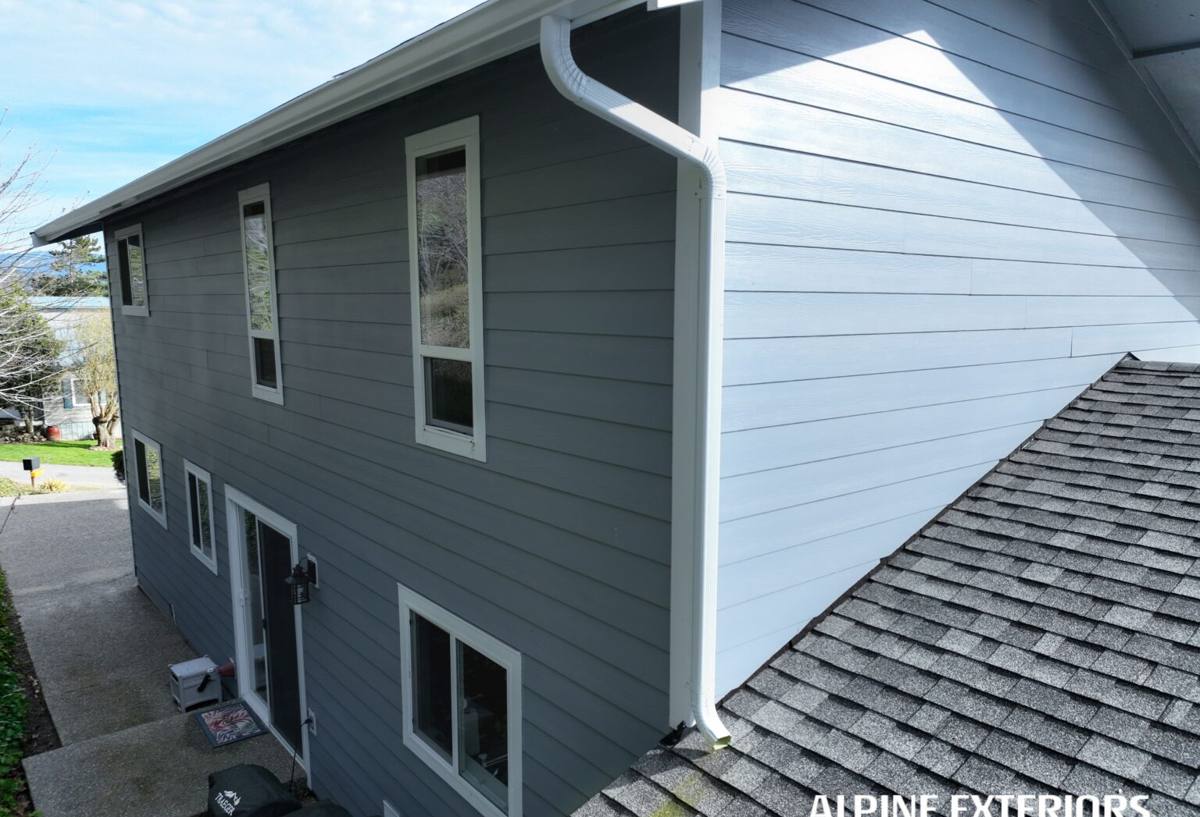
Common Roof Problems We See in Birchwood
Most of the repair calls we get from this part of Bellingham fall into a handful of categories. None of them are unusual for the Pacific Northwest, but the combination and the pace at which they show up is shaped by the local environment.
Moss and Organic Growth
Shaded lots and consistent moisture make Birchwood a favorable environment for moss, lichen, and algae streaking. Moss isn't just cosmetic — it lifts shingle edges, holds water against the roof deck, and accelerates granule loss on asphalt shingles. Left alone through a full wet season, a moss mat can turn a minor maintenance item into a repair involving deck rot.
Flashing Failure
Flashing around chimneys, skylights, vent pipes, and roof-to-wall transitions is one of the most common points of failure on any roof, and driving rain makes marginal flashing fail faster. Wind-driven rain finds gaps that a straight-down rain would never reach, which is why a roof that seemed fine for years can suddenly start leaking after one bad storm.
Fastener and Metal Corrosion
Homes closer to the water deal with accelerated corrosion on exposed metal — nail heads, flashing, gutter hardware, and metal roof panels where applicable. Corrosion weakens the roof's ability to hold materials in place and can show up as staining or small rust-colored leaks before it becomes a structural concern.
Wind and Storm Damage
Winter windstorms can lift shingle tabs, crack ridge caps, or knock debris loose from overhanging trees. Storm damage is often localized — a section of a slope, not the whole roof — which makes it a good candidate for repair rather than full replacement if it's addressed promptly.
What a Correct Roof Repair Involves
A roof repair that actually holds up in this climate starts before anyone touches a shingle. Skipping steps here is the most common reason a "repaired" roof leaks again within a year.
Full Inspection, Not a Spot Check
We look at the whole roof, not just the area where the leak or damage was reported. Water travels before it shows up as a stain indoors, so the visible damage point and the actual source are often several feet apart. We check flashing, valleys, penetrations, ridge lines, and the general condition of the roofing material while we're up there.
Matching Materials and Techniques
Repairs need to match the existing roofing system in material, weight, and installation method. Mismatched shingles or the wrong flashing detail can create a new failure point even if the original problem is fixed. On older roofs, this sometimes means sourcing a close match rather than an exact one, and we'll explain that tradeoff honestly before we start.
Addressing the Cause, Not Just the Symptom
If moss caused the leak, the repair includes removing the moss and addressing the moisture source, not just replacing the damaged shingles underneath it. If flashing failed because of a poor original installation, we correct the flashing detail, not just seal over the gap. A repair that ignores the underlying cause is a temporary fix at best.
Our Roof Repair Process
Homeowners generally want to know two things before they let a crew on their roof: what's actually wrong, and what it's going to take to fix it correctly. Our process is built around answering both clearly before any work starts.
- Inspection and diagnosis. We assess the full roof, identify the source of the problem, and document what we find.
- Written estimate. You get a clear explanation of the repair scope, the materials involved, and the cost — no vague line items.
- Scheduling around weather. Roof repairs need a dry work window. We plan around Whatcom County's forecast rather than rushing a repair into a wet spell, which can trap moisture under new material.
- The repair itself. This includes removing damaged material, addressing the underlying cause, and installing matched replacement material with correct flashing and fastening.
- Final check. We confirm the repair area is sealed correctly and walk you through what was done.
Repair vs. Replacement: How to Tell Which You Need
Not every roof problem in Birchwood needs a full replacement, and not every leak can be solved with a patch. The right call depends on the roof's age, how widespread the damage is, and what's happening underneath the surface material.
| Factor | Points Toward Repair | Points Toward Replacement |
|---|---|---|
| Roof age | Well within expected lifespan | Near or past expected service life |
| Damage location | Localized to one area or slope | Spread across multiple areas |
| Decking condition | Solid, no rot found | Soft spots or rot present |
| Moss/algae history | Recent, not yet causing granule loss | Long-term, with visible shingle degradation |
| Number of past repairs | First or second repair | Repeated repairs to the same areas |
When we inspect a roof, we'll tell you honestly which side of that line it falls on. There's no benefit to us talking a homeowner into a replacement they don't need, and there's no benefit to patching a roof that's genuinely at the end of its useful life.
What Affects the Cost of a Roof Repair
Roof repair costs vary enough by situation that a flat number isn't useful — but the factors that drive the cost up or down are consistent and worth understanding before you get an estimate.
| Cost Factor | Why It Matters |
|---|---|
| Extent of damage | A small localized patch costs far less than repairs spanning multiple sections or slopes. |
| Roof pitch and access | Steeper or harder-to-access roofs take longer and require more safety setup. |
| Underlying deck condition | If the deck has rot beneath the surface material, that adds material and labor beyond the visible repair. |
| Material match availability | Older or discontinued roofing products can take extra time to source a close match. |
| Moss or debris removal | Heavy moss buildup adds a cleaning step before the actual repair can begin. |
We provide a written estimate after inspection so you know exactly what you're paying for and why — broad ranges without an on-roof look aren't reliable for either of us.
Moss, Algae, and Salt Air: Ongoing Maintenance Checklist
A repair fixes the current problem, but Birchwood's climate means the underlying pressures — shade, moisture, salt air — don't go away. A few habits go a long way toward keeping a repaired roof from becoming a repeat repair.
- Keep gutters clear so water isn't backing up under the roof edge, especially during heavy fall and winter rain.
- Trim back overhanging branches where practical to reduce shade and speed up drying after rain.
- Have moss and algae growth addressed before it spreads across a full slope, not after.
- Check attic ventilation — poor airflow traps moisture and speeds up deck and shingle deterioration.
- Schedule a roof inspection after major windstorms, even if there's no obvious visible damage.
- Watch for granule buildup in gutters, which signals accelerating shingle wear.
Signs You Need a Roof Repair Now
Some roof problems can wait for a scheduled inspection. Others shouldn't. If you're seeing any of the following, it's worth getting a look sooner rather than later.
- Water stains on ceilings or upper interior walls, especially after a storm
- Visible daylight through the attic roof deck
- Shingles that are curling, cracking, or missing
- Thick moss mats, particularly on north-facing or shaded slopes
- Sagging in any part of the roofline
- Granules collecting heavily in gutters or downspouts
Why Hiring a Crew That Already Works Birchwood Matters
Roofing crews that work regularly in this specific part of Bellingham build a working knowledge of things that don't show up in a general training manual: which flashing details tend to fail first under the local wind and rain pattern, how aggressive moss growth gets on shaded Birchwood lots compared to sunnier parts of Whatcom County, and how salt air affects fastener and metal longevity on homes closer to the water. That local pattern recognition shortens the diagnosis step and reduces the odds of a repair that only addresses the surface issue.
It also means a crew that understands realistic scheduling around Bellingham's wet season, rather than pushing a repair into a rain window because it's convenient for the schedule. A rushed repair on a damp roof deck is one of the more common causes of early repair failure, and it's avoidable with the right planning.
Getting an Estimate
If you're dealing with a leak, storm damage, or a moss-covered roof in Birchwood, we're happy to take a look and give you a straightforward assessment of what's going on and what it will take to fix it. There's no pressure and no obligation — just an honest read on your roof's condition. Fill out the form below to request a free estimate.