 Bellingham Exterior
 Windows Built for the Puget Sound Climate, Not a Catalog Photo
Homes in the Puget area near Bellingham sit close enough to the water and the tree line that windows take a beating most inland homes never see. Salt-laced air off the Sound, sideways rain that doesn't care which direction your overhangs face, and a moss season that seems to stretch longer every year all work on window frames, sills, and seals in ways that generic installation advice doesn't account for. A window that's correctly installed in a dry inland climate can still fail here in five years if the flashing, sealants, and drainage weren't built for our specific conditions.
This page is about one job, done right, in one kind of place: window installation for homes in and around the Puget neighborhood, where marine exposure and persistent moisture are the baseline, not the exception.
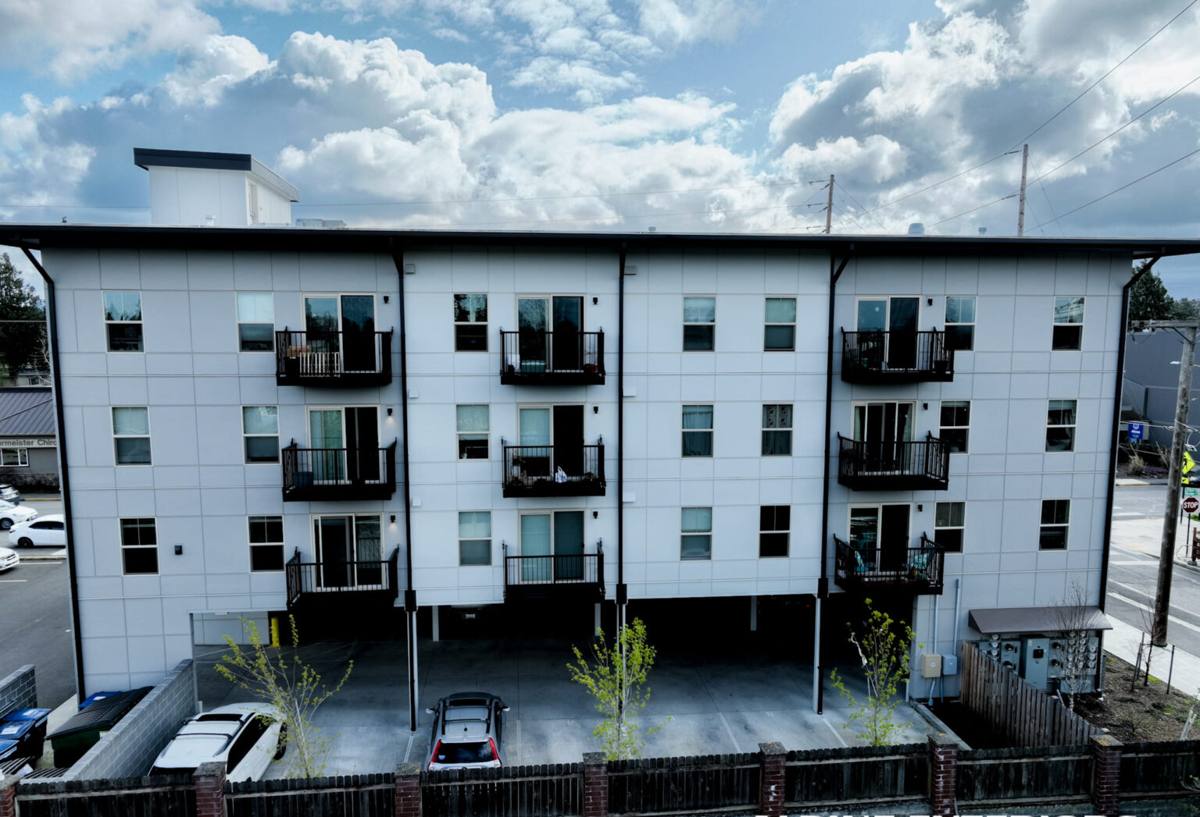
What Whatcom County's Marine Climate Does to Windows Over Time
Understanding the damage pattern is the first step to preventing it. Three forces do most of the work on Puget-area windows.
Salt Air and Corrosion
Even a mile or two inland from the Sound, airborne salt settles on window hardware, aluminum components, and exposed fasteners. Over years, that salt accelerates corrosion on cheaper hinges, cranks, and screws, and it can pit poorly coated aluminum frames. It also breaks down some sealant formulations faster than in a dry climate, which is why the sealant and hardware choices on a coastal-adjacent install matter more here than in most parts of the state.
Wind-Driven Rain and Water Intrusion
Bellingham doesn't just get rain — it gets rain pushed sideways by wind off the water, which means water gets tested against surfaces that a calm, straight-down rain would never reach. Window installations that rely on caulk alone, without proper flashing and a sloped sill pan underneath, tend to show their weaknesses here first: staining on interior sills, soft trim, or slow leaks that don't show up until they've already damaged the wall cavity.
Moss, Mildew, and Shaded Exposures
Many homes in this area sit under mature trees or in shaded lots that stay damp for much of the year. Moss and algae growth on siding and trim around windows holds moisture against the building longer than direct sun-exposed walls would allow, which shortens the life of exterior wood trim and can trap moisture right at the window perimeter if the original installation didn't leave proper drainage paths.
Signs a Puget-Area Home's Windows Are Overdue
Most window problems here develop slowly, which is exactly why they're easy to miss until they've caused secondary damage. Watch for:
- Visible moss or dark streaking on the trim or siding directly around a window frame
- Soft, spongy, or discolored wood trim at the sill or lower corners
- Fogging or a permanent haze between panes, which means the seal has failed
- Drafts you can feel with a hand near the frame on a windy day
- Difficulty opening, closing, or locking a window that used to operate smoothly
- Condensation forming on the inside of the glass regularly, even in mild weather
- Peeling paint or bubbling drywall on the interior wall below or beside a window
Any one of these on its own isn't an emergency. Several together, especially on a wall that faces prevailing wind and rain, usually means water has been getting past the original installation for a while.
What a Correct Window Installation Actually Involves
Setting a new window into an opening is the easy part. The details that determine whether it survives twenty years of Puget Sound weather happen before and around the window itself.
Flashing and Weather Barrier Integration
Every opening needs flashing that ties correctly into the existing weather-resistive barrier — lapped so water is always directed outward and downward, never sideways into the wall. This is the single most common shortcut on low-end installs, and it's invisible once the trim goes back on, which is exactly why it needs to be done right the first time.
Sill Pans and Drainage
A sloped sill pan under the window gives any water that does get past the sash a way out instead of a place to sit and soak into framing. On a home exposed to driving rain off the water, this isn't optional — it's the difference between a window that sheds a wind-driven storm and one that slowly rots the sill underneath it.
Proper Sizing, Shimming, and Fastening
A window that's shimmed unevenly will rack over time, which stresses the seals and eventually causes operational problems or air and water leaks at the corners. Correct fastening schedules and shim placement keep the frame square and the reveal consistent around all four sides.
Sealant Selection
Not all sealants perform the same in a marine climate. We use exterior-grade sealants rated for sustained moisture and UV exposure, applied in the right locations — not as a substitute for flashing, but as a secondary line of defense where it belongs.
Choosing a Window Frame Material for Salt Air and Driving Rain
Frame material affects how a window holds up here more than almost any other spec. Here's an honest comparison of the common options:
| Frame Material | Performance Near Salt Air | Maintenance | Trade-offs |
|---|---|---|---|
| Vinyl | Good — doesn't corrode, handles moisture well | Low | Can look less premium; quality varies widely by manufacturer |
| Fiberglass | Very good — stable, resists moisture and salt exposure | Low | Higher upfront cost |
| Wood-clad (vinyl or aluminum exterior) | Good on the exterior face; interior wood needs protection from any leaks | Moderate | Relies on the cladding and flashing staying intact — installation quality matters more |
| Bare aluminum | Weaker — prone to corrosion and pitting in salt air over time unless well-coated | Higher | We generally steer homeowners away from uncoated aluminum in this specific climate, for durability reasons rather than cost |
We'll talk through which option fits your home's exposure, budget, and style — there's rarely a single "right" answer, but there are choices that hold up better against sustained salt and rain than others.
Our Installation Process for Puget-Area Homes
- On-site assessment — we look at existing window condition, framing, siding type, and how exposed each wall is to wind-driven rain before recommending anything.
- Product selection — we walk through frame material, glazing options, and performance ratings suited to your specific exposure, not a one-size-fits-all recommendation.
- Removal and opening inspection — once the old window is out, we check the framing and sheathing underneath for hidden rot or moisture damage before installing anything new.
- Flashing and sill pan installation — built to shed water outward, tied properly into the existing weather barrier.
- Window setting and shimming — leveled, squared, and fastened to manufacturer spec.
- Sealing and trim — exterior-grade sealants and finish trim, matched to your home's existing look.
- Final function and water check — every window is tested for smooth operation and a tight seal before we consider the job finished.
What Affects the Cost of Window Installation Here
| Factor | Why It Matters Locally |
|---|---|
| Number and size of windows | Straightforward — more or larger openings mean more material and labor |
| Frame material chosen | Vinyl, fiberglass, and clad options carry different price points and different long-term performance in salt air |
| Condition of existing framing | Hidden rot from years of water intrusion, common on older Puget-area homes, adds repair time once an opening is exposed |
| Wall exposure | Walls facing prevailing wind and rain often warrant upgraded flashing details, which adds modest labor cost but pays off in longevity |
| Access and site conditions | Second-story windows, tight lots, or landscaping near the foundation can affect labor time |
We give straightforward, itemized estimates so you can see exactly what you're paying for and why — no vague lump-sum numbers.
Why a Crew That Already Works in Puget Matters
Installation quality on paper is one thing; installation quality against actual Bellingham weather is another. A crew that regularly works homes in this area already knows which walls tend to take the worst of the wind-driven rain, how moss and moisture behave on shaded lots near the water, and which framing conditions to expect when they open up an older wall in this part of Whatcom County. That familiarity shows up in fewer surprises during the job and fewer callbacks after it — because the flashing, drainage, and sealant choices were made for this climate from the start, not adapted after the fact.
Keeping New Windows Performing Through the Wet Season
A correctly installed window still benefits from basic upkeep in this climate. A few habits go a long way:
- Rinse accumulated salt residue and grime off frames and glass periodically, especially on wind-exposed walls
- Keep gutters and downspouts clear so water isn't sheeting down past window heads
- Trim back vegetation that keeps a window or its surrounding trim shaded and damp
- Check and refresh exterior caulking at trim joints every few years, since sealant is a maintenance item even when the underlying flashing is sound
- Operate each window a few times through the year so hardware doesn't seize from disuse and moisture
None of this replaces a correct installation — it just protects the investment once the real work is done.
If your windows in the Puget area are showing their age, feel drafty, or you're planning ahead for a remodel, we're happy to take a look and put together a straightforward, no-pressure estimate. Fill out the form below and we'll get back to you.