 Bellingham Exterior
 Deck Building in Sunnyland: Built for the Neighborhood, Not a Showroom
Sunnyland is one of Bellingham's older, well-established neighborhoods, with a real mix of home ages and styles — mid-century ramblers, updated bungalows, and newer infill homes all sitting on lots with mature trees and a good amount of shade cover. That mix matters when you're building a deck. A deck plan that works for a wide-open, sun-baked lot in a newer subdivision isn't automatically right for a shaded Sunnyland yard tucked under fir and maple canopy. We build decks specifically for the conditions on the ground, not a generic spec sheet.
This page is about one thing: building a deck correctly for a Sunnyland property in Bellingham, Washington, Whatcom County. Not a whole-house exterior pitch — just decks, and just what it takes to get one right in this part of the county.
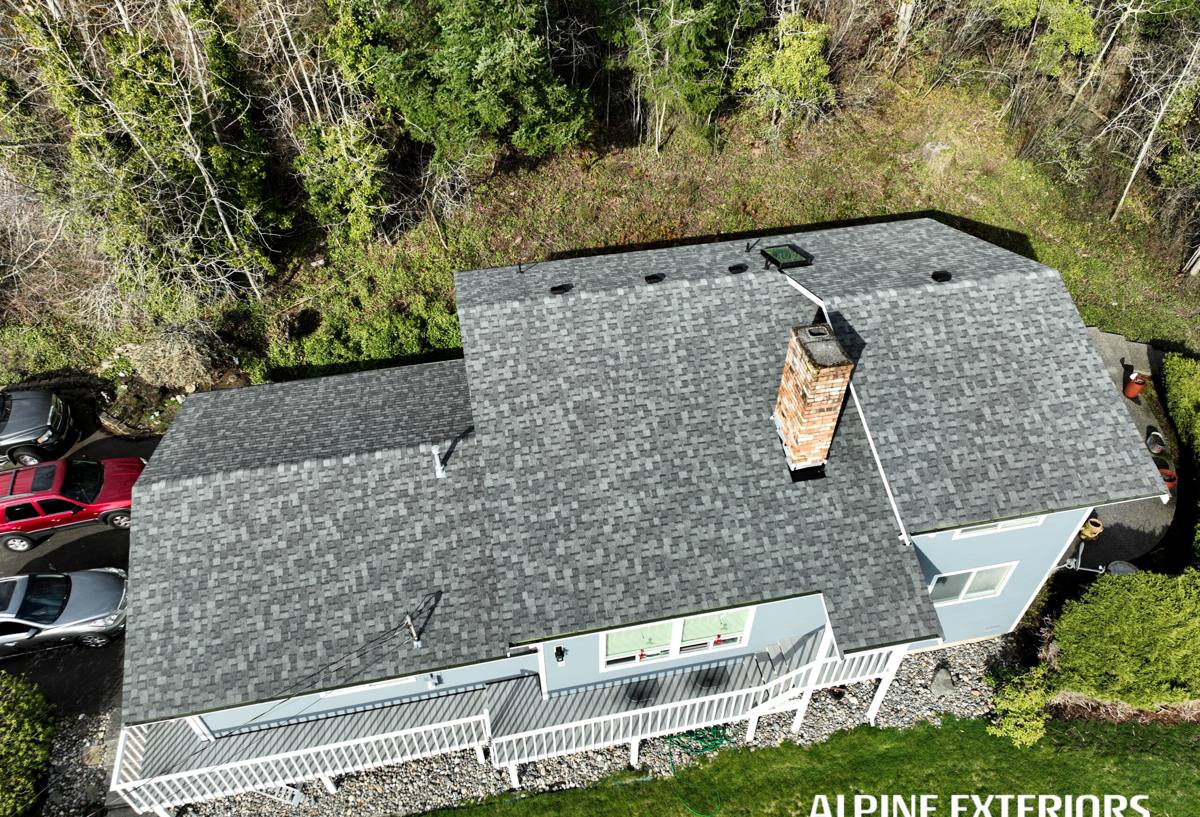
What Bellingham's Climate Actually Does to a Deck
Whatcom County's marine climate is easy on people and hard on wood. Even away from the immediate waterfront, the air here carries enough moisture and salt content that exposed fasteners, ledger boards, and end-grain cuts take a steady beating year over year. Add in Bellingham's driving winter rain — the kind that comes in sideways off the Sound — and any deck with poor drainage, flat-laid boards, or unsealed cuts starts trapping water instead of shedding it.
Then there's the shade. Sunnyland's tree cover is part of what makes the neighborhood pleasant to live in, but shaded, damp wood is exactly what moss and algae need to take hold. A deck that gets three or four hours of direct sun a day dries out fine. A deck sitting under fir canopy for most of the year can stay damp for weeks at a stretch, especially through late fall and winter. That's when boards start feeling slick, fasteners start weeping rust stains, and hidden framing starts to rot from the inside before anything looks wrong on the surface.
None of this is unusual for the area — it's just what a deck here is up against. The point of building it right the first time is designing for that reality instead of fighting it later.
Choosing Decking Material for a Shaded Sunnyland Lot
There's no single "best" decking material — there's a best material for your yard, your budget, and how much upkeep you actually want to do. Here's how the common options hold up under Bellingham's specific mix of shade, rain, and moss pressure:
| Material | Moisture & Moss Behavior | Maintenance | Typical Lifespan Here |
|---|---|---|---|
| Pressure-treated fir/hem-fir | Absorbs and releases moisture readily; needs a real drainage gap and airflow underneath to avoid cupping | Annual cleaning and re-sealing recommended in shaded areas | 15–20 years with upkeep, less if neglected |
| Cedar | Naturally more rot-resistant, but still needs surface maintenance to prevent graying and moss film in shade | Periodic cleaning, oil or stain every 2–3 years | 20–25 years with consistent care |
| Composite decking | Doesn't absorb water like wood, but low-grade or heavily textured composites can still hold surface moisture and grow algae film in constant shade | Occasional washing; no sealing or staining | 25–30+ years, varies by brand and grade |
We don't push one product line over another. Composite decking has real advantages for low-maintenance living, but it comes with a higher upfront cost and it isn't automatically "moss-proof" — a poorly ventilated composite deck in deep shade can still film up. Wood costs less up front but asks more of the homeowner over time. The honest answer is: we'll tell you what fits your yard's actual sun exposure and your appetite for maintenance, not just what sells for the highest margin.
What a Correctly Built Deck Involves
Footings and Framing
Whatcom County's clay-heavy, often waterlogged soils mean footings need to be sized and set to actual frost depth and load requirements, not just "deep enough to look solid." Undersized or shallow footings are one of the most common causes of deck movement and squeaking we get called out to fix on existing decks.
The Ledger Connection
Where a deck attaches to the house is the single most water-sensitive point on the whole structure. It needs proper flashing that directs water away from the wall assembly, not just lag bolts and caulk. A bad ledger connection is invisible for years and then shows up as rot in the house's rim joist — an expensive problem that started as a cheap shortcut.
Drainage and Airflow Underneath
Boards need consistent gapping so water actually sheds instead of pooling, and the framing underneath needs enough clearance and airflow to dry out between rain events. This is especially important on shaded Sunnyland lots, where a deck built tight to the ground with no cross-ventilation will stay damp for days after every storm.
Fasteners and Hardware
Coastal, moisture-heavy air corrodes standard fasteners faster than people expect. Hot-dip galvanized or stainless hardware costs more but avoids the rust streaks and weakened connections that show up within a few years when cheaper fasteners are used.
Railings and Stairs
Beyond code-required height and baluster spacing, railing posts need solid blocking behind them — a railing that flexes under a hand isn't just annoying, it's a sign the post attachment wasn't done right.
Our Process, Start to Finish
1. On-Site Assessment
We walk the actual lot — sun exposure, drainage slope, existing structure if it's a rebuild — before talking materials or layout. A deck design should respond to the yard, not the other way around.
2. Design and Material Selection
We go over decking, railing, and structural options honestly, including the maintenance trade-offs for each, so you're choosing based on real information rather than a showroom sample.
3. Permitting
Most decks above a certain height or attached to the house require a permit through the City of Bellingham or Whatcom County, depending on the property's exact location. We handle that process rather than leaving it on the homeowner.
4. Build
Footings, framing, ledger flashing, decking, and railing — built in that order, with inspections at the structural stages that call for them.
5. Walkthrough
We go over the finished deck with you, including what maintenance it'll actually need given your yard's sun and shade pattern.
Permits and Code in Whatcom County
Deck permitting requirements depend on height, attachment to the structure, and exact jurisdiction — a property just inside Bellingham city limits can have different requirements than one in the surrounding county. Guardrails, stair geometry, and structural connections are all inspected items, not optional details. Skipping the permit step might save time up front, but it becomes a real problem at resale, when an unpermitted deck can hold up a sale or force retroactive fixes. We pull the right permit for the property rather than guessing.
Maintenance Checklist for Sunnyland Deck Owners
Whatever material you choose, a few habits go a long way toward keeping a Bellingham deck in good shape through the wet season:
- Sweep debris and fallen leaves off the deck regularly in fall — trapped organic matter holds moisture against the boards
- Wash the surface at least once a year with a deck-safe cleaner to break up early moss and algae film before it takes hold
- Check that gaps between boards are clear of debris so water can actually drain through
- Inspect the ledger flashing and house connection annually for gaps, cracking caulk, or staining
- Look underneath the deck once a year for standing water, damp framing, or signs of rot near footings
- Re-seal or re-stain wood decking on the schedule appropriate to the product — don't wait until it visibly grays
- Keep nearby vegetation trimmed back so more light and air reach the deck surface
Why a Crew That Already Works Sunnyland Matters
A deck contractor who works this specific part of Bellingham regularly already knows which lots run shaded most of the day, which soils hold water longer after a storm, and which permitting office to deal with for a given address. That's not a marketing point — it's the difference between a deck designed for "decks in general" and one designed for the yard it's actually going in. We're not visiting Sunnyland for the first time; it's part of our regular service area, and we build accordingly.
If you're weighing a new deck or thinking about replacing an aging one, we're happy to come take a look and give you a straightforward estimate — no pressure, no upsell script. Use the form below to get started.