 Bellingham Exterior
 Custom Windows Built for Sunnyland's Climate
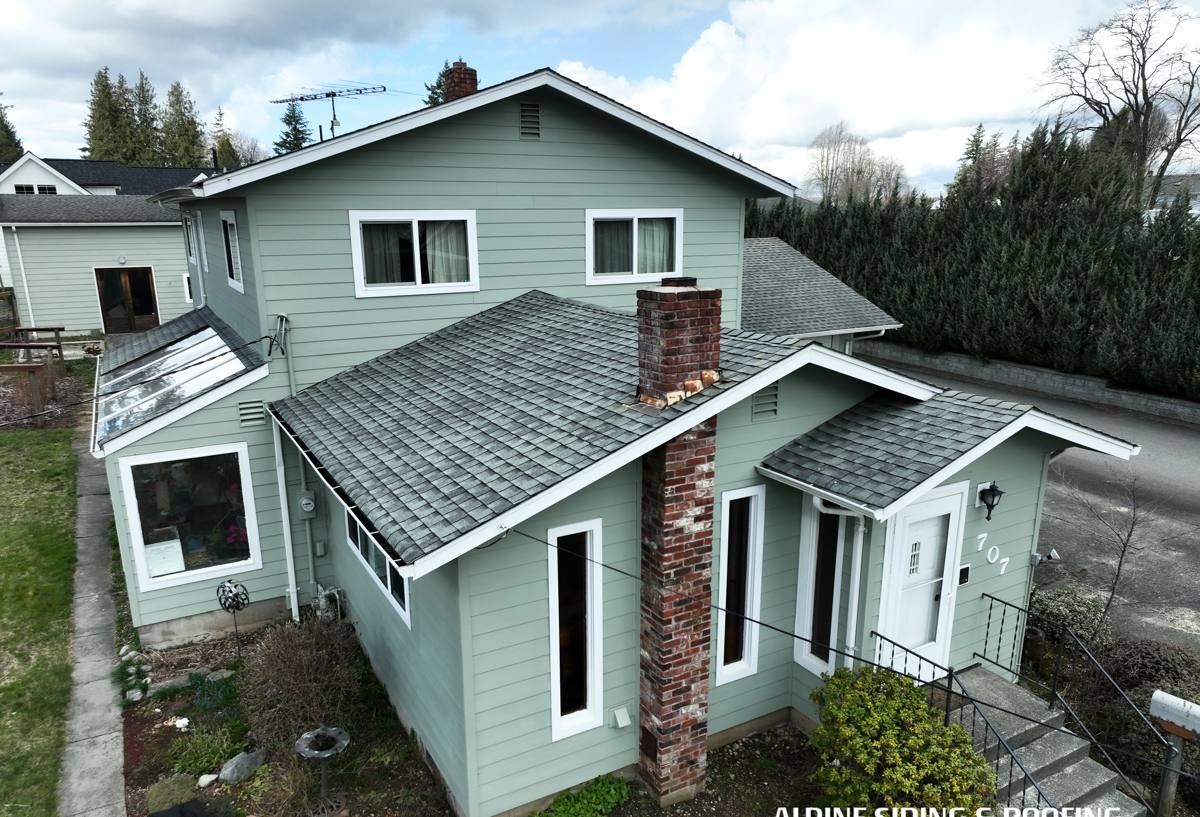
Sunnyland is one of Bellingham's older, established residential neighborhoods, and that means a lot of the housing stock still carries its original or first-replacement windows. Whether your home is a mid-century bungalow or a newer infill build, the windows on it are working against the same conditions every house in this part of Whatcom County faces: salt-laden air moving in off Bellingham Bay, driving rain that hits west and south-facing walls hard, and a long, damp moss season that keeps wood and trim wet for months at a time. Custom windows aren't a luxury upgrade here — they're the difference between a window that seals, drains, and insulates the way it should, and one that's fighting a losing battle against the weather from day one.
"Custom" simply means the window is built and installed to fit your home's actual openings, framing condition, and exposure — not a generic stock size forced into place with extra caulk and shims. For older Sunnyland homes especially, where original openings are rarely perfectly square after decades of settling, that fit matters more than any brand name on the glass.
What Bellingham's Climate Actually Does to Windows
It's worth understanding the specific mechanisms at work, because they shape every decision that goes into a proper window job in this area.
Salt Air and Metal Fatigue
Even a few miles inland from the water, airborne salt accelerates corrosion on exposed hardware — hinges, cranks, locks, and especially uncoated or lower-grade aluminum components. Over years, this shows up as stiff or sticking operation, pitted finishes, and locks that no longer draw the sash tight.
Driving Rain and Wind-Driven Water
Bellingham's rain rarely falls straight down. Wind off the bay pushes it sideways into walls, which means the water management around a window — flashing, sill pans, sealant joints — has to actually shed water outward and downward, not just rely on caulk to keep it out. Caulk fails; proper flashing doesn't depend on it.
Moss, Mildew, and Prolonged Dampness
The long wet season here means any wood trim, sill, or frame component that stays damp for extended periods is at risk of rot, and moss establishes readily on horizontal surfaces and shaded north-facing exposures. Once moss gets a foothold on a sill or exterior casing, it holds moisture against the wood constantly, which speeds up decay dramatically compared to a drier climate.
Signs Your Sunnyland Home's Windows Need Attention
Most homeowners don't think about their windows until something goes visibly wrong, but the early warning signs are usually there well before that. Walk your home's exterior and check for these:
- Fogging or a permanent haze between panes on double-glazed units — the seal has failed and the gas fill is gone
- Soft, spongy, or discolored wood at the sill or bottom corners of the frame
- Visible moss or dark green/black staining on horizontal trim or sills
- Drafts you can feel with a hand near the frame on a windy day
- Windows that are difficult to open, close, or lock, especially after damp weather
- Paint that's peeling or bubbling specifically around the window opening, not the wall in general
- Visible daylight or gaps between the sash and frame
- Condensation forming on the interior glass regularly through fall and winter
Any one of these on its own might not mean full replacement, but two or more together — especially wood damage combined with drafts — usually signals the window and its surrounding assembly have reached the end of their useful life.
What Goes Into a Correctly Built Custom Window
A window is only as good as its weakest component, and in this climate the frame material and the installation detailing matter as much as the glass itself.
Frame Material Trade-Offs
There's no single "right" material for every home — the right call depends on your home's style, exposure, and how much upkeep you want to take on.
| Frame Material | How It Handles Bellingham's Climate | Maintenance |
|---|---|---|
| Vinyl | Won't rot or corrode; performs well against salt air and rain; some flexing in temperature swings | Low — occasional cleaning |
| Fiberglass | Very stable dimensionally, strong resistance to moisture and salt exposure, holds paint well | Low to moderate |
| Wood-clad (exterior-protected) | Good insulating properties and classic appearance; exterior cladding shields the wood from direct rain and moss exposure | Moderate — clad exterior, wood interior needs periodic checks |
| Solid wood | Traditional look, but bare exterior wood is the most vulnerable to our wet, mossy conditions without diligent upkeep | High — regular painting/sealing required |
For homes in Sunnyland that see direct west or south rain exposure, we lean toward materials that don't depend on paint film alone to stay watertight. We'll walk your specific exposure with you rather than defaulting to one material for every job.
Glass and Performance Packages
Double-pane, argon-filled, low-E glass is the standard baseline for this climate — it manages heat loss in winter and keeps interiors more comfortable without over-relying on the furnace. Triple-pane adds further insulation value and is worth considering on north-facing or particularly drafty walls, though it comes at a higher cost and added weight that some older frames and openings aren't built to support without reinforcement. We'll tell you honestly when triple-pane is worth the upgrade and when double-pane low-E already gets you most of the benefit.
Our Installation Process
The window unit itself is maybe half the job. The other half is how it's tied into your wall so water goes where it's supposed to go and stays out where it isn't. Here's how we approach it:
- On-site measurement and assessment. We measure the actual opening — not the old window's nominal size — and check the surrounding framing, sill, and sheathing for existing rot or moisture damage.
- Removal and opening inspection. Once the old window is out, we inspect what's behind it. This is often the first time hidden moisture damage from years of driving rain becomes visible, and it needs to be addressed before anything new goes in.
- Repair of any compromised framing or sheathing. Installing a new window over rotten framing just hides the problem for a few more years. We fix what's underneath first.
- Sill pan and flashing installation. This is the step that actually keeps wind-driven rain out over the long term — a sloped sill pan and properly lapped flashing direct water outward instead of letting it pool at the base of the frame.
- Setting and shimming the window. The unit is leveled, squared, and shimmed so it operates smoothly and seals evenly all the way around.
- Air sealing and insulation of the gap. The space between the new frame and the rough opening is sealed to stop drafts without over-packing it, which can bow the frame.
- Exterior trim, caulking, and finish work. Final sealant and trim are applied as the last line of defense, not the only one.
- Walkthrough. We show you how the new hardware operates and go over any care specific to the material you chose.
Cost Factors for Sunnyland Window Projects
Every home is different, but the price of a window project generally moves based on a handful of factors. This isn't a quote — it's what actually drives cost up or down so you know what to ask about.
| Factor | Why It Affects Cost |
|---|---|
| Frame material chosen | Vinyl is typically the most budget-friendly; fiberglass and wood-clad cost more upfront but may offer longer service life or a different look |
| Number and size of openings | More or larger windows means more material and labor, though per-unit cost often drops with larger projects |
| Hidden wall or sill damage | Rot repair discovered during removal adds cost, but skipping it costs far more later |
| Glass package | Standard double-pane low-E vs. triple-pane vs. specialty coatings for sun exposure |
| Access and height | Second-story or hard-to-access windows require more setup time and equipment |
| Trim and finish work | Matching existing exterior trim profiles or repainting adjacent siding adds labor |
Why Hiring a Crew That Already Works in Sunnyland Matters
A contractor who regularly works this neighborhood and this part of Whatcom County has already seen how the local housing stock ages — which decades of homes tend to have particular framing quirks, which exposures fail first, and what moss and rot actually look like at the early stage versus the point where structural repair is needed. That's not something you can fully substitute with a generic install crew that isn't used to Pacific Northwest coastal conditions. It shows up in the small decisions: how much slope to build into a sill pan, whether a given wall needs extra flashing detail, and which frame materials actually hold up here versus which ones look fine on a spec sheet from a drier climate.
It also matters for accountability. A local crew is around after the job is done — for warranty questions, for a caulk line that needs a touch-up after the first hard winter, for honest advice if something about the install doesn't look right down the road.
Caring for Your New Windows
Once your new custom windows are in, a little seasonal attention keeps them performing for the long haul in this climate:
- Clear moss and debris from sills and horizontal trim before it establishes, especially on shaded or north-facing walls
- Check exterior caulk lines each fall before the wet season sets in and touch up any cracked or separated sections
- Wipe down hardware periodically, particularly if your home is closer to the bay, to reduce salt buildup on locks and cranks
- Keep gutters and downspouts clear so overflow isn't running down the wall past window openings
- Operate locking hardware through its full range a few times a year so it doesn't seize up from disuse
None of this is complicated, but skipping it is exactly how a well-installed window ends up with an avoidable moisture problem five or ten years down the road.
If your Sunnyland home's windows are drafty, fogged, showing rot, or just original to a house that's due for an upgrade, we're happy to take a look and walk the exterior with you. There's no pressure and no obligation — just a straightforward assessment and a written estimate based on what your home actually needs. Use the form below to request your free estimate.