 Bellingham Exterior
 Siding Built for Silver Beach's Climate
Homes in the Silver Beach neighborhood deal with a specific combination of weather stress that not every siding product is built to handle. Whatcom County sits in a marine climate zone: long stretches of driving rain from fall through spring, persistent humidity off the water, and shaded, tree-lined lots that hold moisture longer than open ground. Add in the salt-tinged air that moves through this part of the Salish Sea region, and you have conditions that push cheap or poorly installed siding toward failure years before it should quit.
None of this is exotic weather. It's just relentless. A siding system that looks fine in a showroom or performs well in a dry inland climate can still struggle here if it wasn't engineered for sustained moisture exposure, or if it went up without the flashing and clearance details this region demands. Silver Beach homes need a siding system and an installation process that both account for how wet this corner of Washington actually gets.
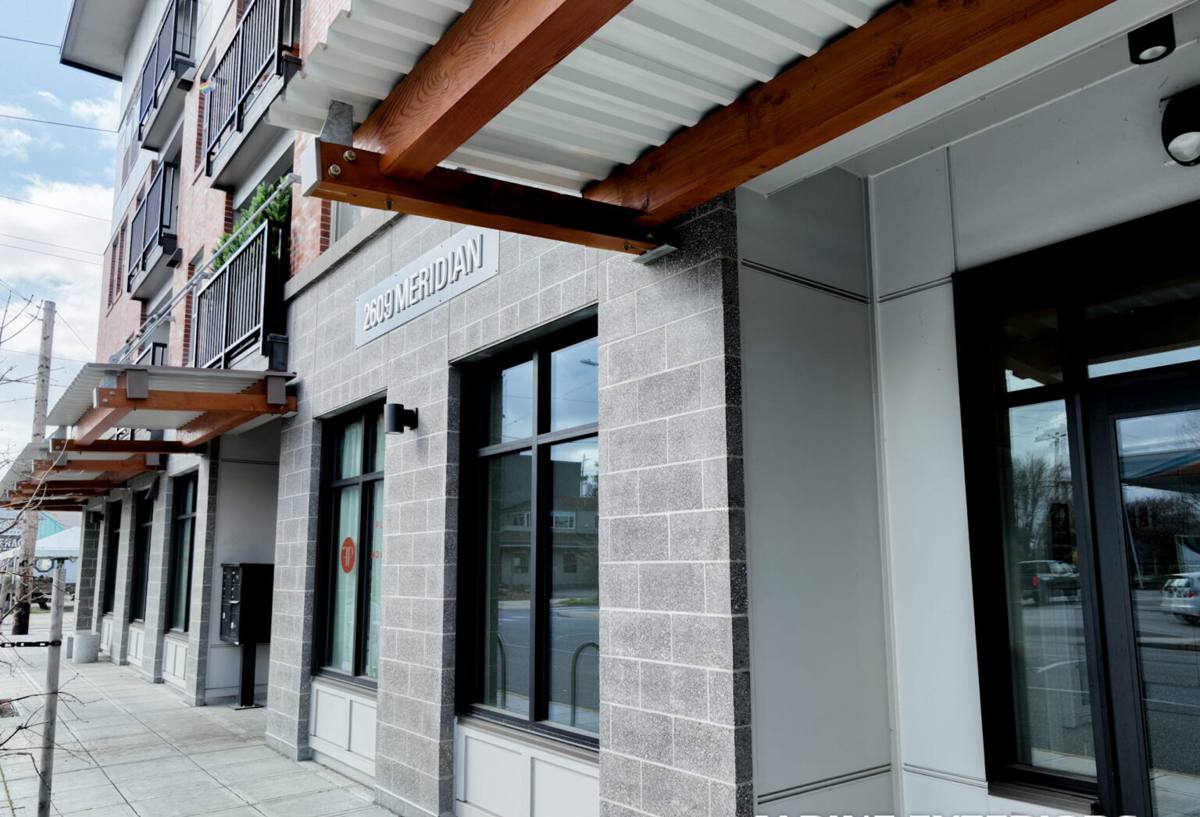
What Silver Beach Homes Are Up Against
Moss and Algae Growth
Bellingham's moss season isn't a few weeks — it's most of the year. North-facing walls, shaded elevations under mature trees, and areas that stay damp longer after a storm are all prone to moss, algae, and mildew staining. Porous or wood-based siding gives that growth something to root into. A dense, factory-finished fiber cement surface gives it far less to hold onto.
Driving Rain and Wind-Driven Moisture
Storms coming off the water don't just fall straight down — wind pushes rain sideways into wall assemblies, especially around windows, doors, and corners. If the weather-resistive barrier, flashing, and siding laps underneath aren't installed correctly, that moisture finds its way behind the cladding, where it can sit against sheathing and framing for months without anyone noticing.
Freeze-Thaw and Seasonal Swings
Whatcom County doesn't get brutal winters, but it does get repeated cycles of cold snaps, thaw, and soaking rain. Siding materials that absorb water and then freeze — even a little, even occasionally — are working against themselves every winter. Over years, that cycle degrades paint bonds, swells edges, and opens gaps for more water to get in.
Salt-Influenced Marine Air
Proximity to the Salish Sea means the regional air carries more moisture and mild salinity than an inland climate would. This doesn't corrode fiber cement the way it can some metals, but it does mean paint finishes, caulking, and fasteners all need to be rated for a marine-influenced environment, not a generic dry-climate spec.
What a Correct Installation Actually Involves
Siding installation is often sold as a cosmetic upgrade, but the parts that actually determine whether a job lasts 10 years or 40 are the parts nobody sees once the project is done. On a Silver Beach home, we treat these as non-negotiable:
- A continuous, properly lapped weather-resistive barrier behind the siding — no gaps, no shortcuts around penetrations
- Correct flashing at every window, door, and roof-to-wall intersection, integrated with the barrier so water sheds outward, not inward
- Proper starter strips and butt joint treatment so panels don't trap water at the seams
- Manufacturer-specified fastener spacing and type, sized for our wind and moisture exposure
- Correct clearance between siding and grade, roofing, decks, and other transitions so splash-back and standing water can't wick into the material
- Factory-primed or factory-finished cut edges sealed per spec, since a raw cut edge is the fastest way for any siding to start absorbing water
- Ventilation behind the cladding where the assembly calls for it, so incidental moisture can dry out instead of getting trapped
Skip any one of these steps and the siding itself almost doesn't matter — water will find the weak point. This is why we consider installation quality at least as important as product selection, and why we don't treat either one as optional.
Why We Only Install James Hardie Fiber Cement
We made a decision early on to install one siding system, on every job, in every neighborhood we work: James Hardie fiber cement. That's not brand loyalty — it's the product that consistently holds up to the specific conditions Whatcom County throws at a house.
Hardie's fiber cement is non-combustible, dimensionally stable, and doesn't feed moss and mildew the way wood-based products can. Its ColorPlus factory finish is baked on under controlled conditions, which gives it a more consistent, longer-lasting bond than field-applied paint — a real advantage in a climate where wall assemblies rarely get a long dry stretch to cure fresh paint properly. Hardie also engineers specific product lines (its HZ5 line, for example) for wetter, harsher climate zones, which matters directly here.
We're upfront that other products exist and that some of them are reasonable choices in the right context. But we've chosen not to install vinyl, LP SmartSide, Cemplank, Allura, primed spruce, or raw cedar on the homes we work on, because each carries trade-offs — moisture sensitivity, maintenance burden, installation forgiveness, or warranty structure — that we don't think hold up as well against this specific climate over a multi-decade timeline. Standardizing on one system also means our crews install it constantly, which is where real installation quality comes from.
How Common Siding Options Compare in This Climate
| Material | Moisture Behavior Here | Moss/Algae Resistance | Long-Term Maintenance |
|---|---|---|---|
| Vinyl | Sheds water but can warp or gap under wind and temperature swings | Moderate — smooth surface, but seams collect debris | Low upkeep, but color fades and it's not repairable, only replaceable |
| Wood-based composite (e.g. LP SmartSide) | Engineered wood core is vulnerable if edges or seams aren't perfectly sealed | Lower — wood fiber content gives organic growth something to feed on | Requires vigilant caulking/paint upkeep to prevent swelling |
| Primed spruce / raw cedar | Absorbs moisture readily; performance depends heavily on ongoing maintenance | Low — natural wood is a preferred surface for moss and mildew | High — regular refinishing, sealing, and inspection needed |
| James Hardie fiber cement | Dense, cement-based composition resists water absorption and swelling | High — factory finish gives growth little to root into | Low — occasional wash-down, no repainting for many years |
Our Installation Process for Silver Beach Homes
- On-site assessment. We look at your home's exposure — which walls face prevailing weather, where shade and moisture linger, and the condition of the sheathing and barrier underneath your current siding.
- Tear-off and inspection. Removing the old siding lets us check for hidden rot, past water intrusion, or barrier damage before anything new goes up. This step catches problems that a surface-level look never would.
- Repair and barrier installation. Any damaged sheathing gets replaced, and a continuous weather-resistive barrier goes on correctly lapped, with flashing integrated at every penetration.
- Hardie installation to spec. Panels or lap siding go up with manufacturer-specified fastening, clearances, and joint treatment — not shortcuts to save a day of labor.
- Trim, caulking, and detail work. Corners, window and door surrounds, and transitions get finished so water sheds away from the wall assembly at every point.
- Final walkthrough. We go over the finished work with you directly, including what maintenance (if any) to expect going forward.
Signs Your Siding Is Already Behind on This
Homeowners in Silver Beach often call us after noticing one or more of the following, and in our experience these are worth acting on rather than watching for another season:
- Persistent moss or dark staining that comes back within weeks of cleaning
- Soft or spongy spots when you press on the siding, especially near the bottom courses
- Paint that's peeling, bubbling, or chalking heavily rather than just fading evenly
- Visible gaps at seams, corners, or trim that weren't there when the home was newer
- Warping, cupping, or panels that no longer sit flat against the wall
- Interior signs — musty smell, discoloration, or soft drywall — near exterior walls
Any of these can indicate moisture has already gotten past the surface, which changes the scope of the job from a straightforward re-side to a repair-and-replace project.
Why It Matters to Hire a Crew That Already Works This Neighborhood
Siding installation isn't uniform across a region — a crew that mostly works drier, inland climates can install a technically correct assembly that still isn't matched to what Silver Beach actually experiences year to year. A crew that regularly works in Bellingham and greater Whatcom County already accounts for local wind exposure, seasonal moisture load, and the maintenance realities specific homes in this area face. That local pattern recognition shows up in the small decisions — flashing details, clearance judgment calls, sequencing around weather windows — that don't show up on a spec sheet but do show up in how the siding performs a decade later.
Cost Factors to Expect
Every home is different, so we don't quote a number without seeing the house, but the main variables that drive cost on a Silver Beach siding project are consistent:
| Factor | Why It Matters |
|---|---|
| Home size and wall complexity | More corners, gables, and transitions mean more cutting, flashing, and labor time |
| Condition of existing sheathing/barrier | Hidden rot or water damage found during tear-off adds repair scope |
| Siding profile chosen | Lap, panel, and shingle-style Hardie products vary in material and labor cost |
| Trim and detail work | Window/door surrounds, corner treatments, and accent details add time |
| Access and site conditions | Tree cover, slope, and staging space can affect scheduling and labor |
Maintenance After Installation
One of the practical advantages of a correctly installed Hardie system in this climate is how little ongoing work it asks of you. An occasional rinse to clear pollen, debris, or early moss growth is usually enough — there's no annual repainting or resealing cycle to manage. We'll walk you through what to watch for and when (if ever) touch-up work might be worth scheduling, so you're not guessing at maintenance on a system that was built to need very little.
If your Silver Beach home's siding is showing its age, or you're planning ahead rather than waiting for a problem, we're happy to take a look and give you a straightforward, no-pressure estimate using the form below.