 Bellingham Exterior
 Deck Repair for Silver Beach Homes
Silver Beach sits close to the water on Bellingham's east side, and that proximity shapes how decks age here. Homes tucked near the lake shoreline, on wooded slopes, or under tree cover deal with more standing moisture, more shade, and more debris buildup than decks out in the open. Add in Whatcom County's long wet season and the moss that comes with it, and a deck in this neighborhood works harder than one on a dry, sun-exposed lot across town. We repair decks throughout Bellingham, but Silver Beach's mix of shade, slope, and moisture calls for a slightly different eye when we're diagnosing what's actually wrong.
This page focuses specifically on deck repair — fixing what's failing on an existing structure rather than a full teardown-and-rebuild. Most decks we look at in this area don't need to be replaced outright; they need the right sections addressed correctly so the rest of the structure isn't carrying hidden risk.
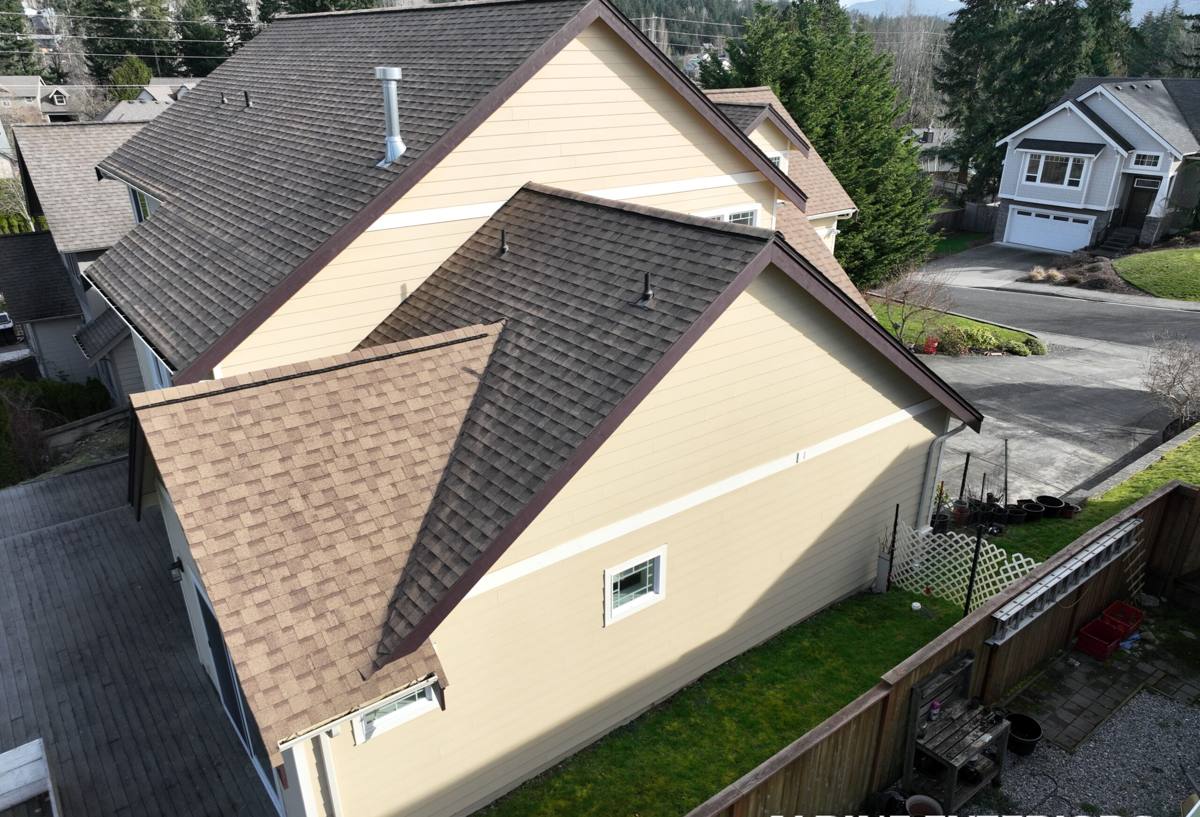
What Bellingham's Climate Does to a Deck
Western Washington's marine climate is generous with rain, and Whatcom County adds its own long stretch of overcast, damp months where wood surfaces rarely get a full dry-out. Homes closer to water, like many in Silver Beach, tend to hold onto humidity a little longer after a storm passes, and shaded lots slow drying even further. That combination is exactly what wood decay fungi and moss need to take hold.
Moss and Algae
Moss doesn't just look bad — it holds water against the wood surface long after the rest of the deck has dried, and it makes boards slick and dangerous underfoot. Left alone through a full moss season, it can mask early rot developing underneath.
Moisture Trapped in the Framing
The visible decking boards usually aren't where the real damage happens first. Ledger boards, joists, and beams tucked underneath and against the house are harder to inspect and slower to dry, especially where leaves and needles collect and hold water against the wood.
Freeze-Thaw Cycling
Bellingham doesn't get brutal winters, but it does get enough freeze-thaw swings each year to widen small cracks in wood and concrete footings. Water gets into a hairline split in the fall, freezes, expands, and by spring that crack is noticeably bigger.
Common Deck Problems We See in This Area
Some issues show up on the surface. Others require getting underneath the deck or probing connections that look fine from a distance. A few warning signs are worth checking for before they turn into a safety issue:
- Soft, spongy, or discolored decking boards, especially near the house or in shaded corners
- Moss or dark staining that keeps coming back within weeks of cleaning
- Railings or posts that flex or wobble when pushed
- Rust streaks around fasteners or visible corrosion on brackets and hangers
- Gaps opening up where the ledger board meets the house siding
- Stairs that feel bouncy or uneven underfoot
- Standing water that doesn't drain within a day of rain stopping
- Visible daylight or soft wood where a support post meets its footing
Any one of these can be a simple fix. Several together usually mean water has been getting into the structure for a while and it's worth a full inspection rather than a spot patch.
What a Correct Repair Actually Involves
A deck repair that just replaces the boards you can see, without checking what's underneath, tends to fail again within a few seasons. We treat the structure in layers.
Ledger Board and Flashing
The ledger board connects the deck to the house and carries a large share of the structural load. It's also the single most common point of hidden rot, because flashing details are often skipped or done poorly on older builds. Correct repair means pulling back decking near the house, checking the ledger and the flashing behind it, and rebuilding that connection properly if water has been getting in.
Framing and Fasteners
Joists, beams, and posts get inspected for soft spots, checking not just the top surface but the sides and undersides where rot often starts. Old fasteners, especially anything that's rusted or was never rated for exterior ground contact, get replaced with corrosion-resistant hardware sized for the load they're carrying.
Decking Boards and Railings
Once the structure underneath is sound, decking boards get replaced where needed and gaps checked for proper spacing so water and debris can drain instead of pooling. Railings get the same structural attention as the deck itself — a railing that looks fine but was never properly through-bolted is a real safety gap, not a cosmetic one.
Repair vs. Replacement
Not every deck with problems needs to come down. The decision usually comes down to how much of the structure — versus just the surface — is affected.
| Factor | Repair Usually Makes Sense | Replacement Is Often Better |
|---|---|---|
| Extent of rot | Isolated to a few boards or one section | Widespread through joists, beams, or multiple posts |
| Ledger condition | Sound once flashing is corrected | Significantly decayed or improperly attached |
| Age of structure | Framing is within its useful service life | Original framing is decades old and undersized by current standards |
| Footings | Stable, no settling or heaving | Cracked, shifted, or below current code depth |
| Design/layout | Layout still works for how it's used | Homeowner wants a different footprint or size |
When the damage is contained, a targeted repair extends the life of a deck at a fraction of the cost and disruption of a rebuild. When several of these factors point toward replacement, we'll say so plainly — patching a structurally compromised deck isn't a service we'll recommend just to make a sale.
Our Repair Process
- On-site inspection, including probing suspect boards and checking the ledger, framing, and footings from underneath where accessible
- A clear rundown of what's failing, what's still sound, and what repair scope actually fixes the problem
- Removal of damaged decking and framing components, with a look at anything newly exposed
- Correction of the root cause — flashing, drainage, or fastener issues — not just replacement of the damaged piece
- Rebuilding with appropriately rated lumber or composite material and corrosion-resistant hardware
- Final check of railings, stairs, and connection points before we call the job done
Material Choices for a Repair
When it's time to replace decking boards, homeowners usually choose between pressure-treated lumber, cedar, and composite. Each has trade-offs worth knowing before deciding, especially in a climate this damp.
| Material | Moisture Behavior | Upkeep | Notes |
|---|---|---|---|
| Pressure-treated lumber | Resists rot when properly maintained | Needs periodic sealing/staining | Lowest upfront cost; matches most existing framing |
| Cedar | Naturally decay-resistant, but surface still needs care | Regular sealing to hold color and resist graying | Good look; softer wood, more prone to surface wear |
| Composite | Doesn't absorb water like wood | Occasional cleaning, no sealing/staining | Higher upfront cost; installation details matter for drainage and expansion |
We don't push one product line as the automatic answer. The right call depends on the existing framing, the homeowner's maintenance appetite, and how the deck is used. What matters more than brand is correct installation — proper gapping, fastening, and drainage — since even the best material fails early if it's installed without accounting for how water needs to move off and away from the structure.
Why Local Experience in Silver Beach Matters
A deck repair crew that regularly works this part of Bellingham already knows what to check first: shaded framing that stays damp longer, drainage patterns on sloped lots near the water, and moss buildup that returns fast if the underlying moisture problem isn't addressed. That means less time spent diagnosing and more time spent fixing the actual cause. It also means we're familiar with the access challenges some Silver Beach lots present — narrow side yards, elevation changes, or decks built close to the shoreline — and we plan the job around that instead of running into surprises mid-repair.
Familiarity with Whatcom County permitting and inspection expectations also matters for anything beyond a cosmetic fix. Structural repairs — replacing a ledger connection, adding footings, or altering railings — can trigger permit requirements, and getting that step right up front avoids problems if the home is ever sold or inspected later.
Keeping a Repaired Deck in Good Shape
Once a deck is repaired correctly, a little seasonal maintenance goes a long way in this climate:
- Sweep leaves and debris off the deck surface and out from between boards regularly through fall
- Clean moss and algae buildup before it re-establishes, rather than waiting until it's thick
- Check that gutters and downspouts near the deck aren't dumping extra water onto or under it
- Look underneath once or twice a year for new soft spots, especially near the ledger
- Reseal or restain wood decking on the schedule the product calls for — don't stretch it out in a climate this wet
If you're noticing soft boards, a wobbly railing, or moss that keeps coming back on a deck in Silver Beach or elsewhere around Bellingham, we're happy to take a look. There's no pressure and no cost to get an honest read on what's actually going on and what it would take to fix it right — just fill out the form below for a free estimate.