 Bellingham Exterior
 Building Decks for the Silver Beach Neighborhood
Silver Beach is one of those Bellingham neighborhoods where the outdoors is part of daily life — decks get used for morning coffee, evening cookouts, and everything in between. But a deck built for this part of Whatcom County has to work harder than a deck in a drier climate. Between the moisture off the water, the tree cover that keeps things shaded and damp, and the long stretch of gray months every year, an outdoor structure here takes a beating that a lot of national "deck building" advice simply doesn't account for.
We build decks specifically with this neighborhood's conditions in mind — not a generic deck dropped into a wet climate and hoped for the best, but one framed, fastened, and finished to actually hold up here.
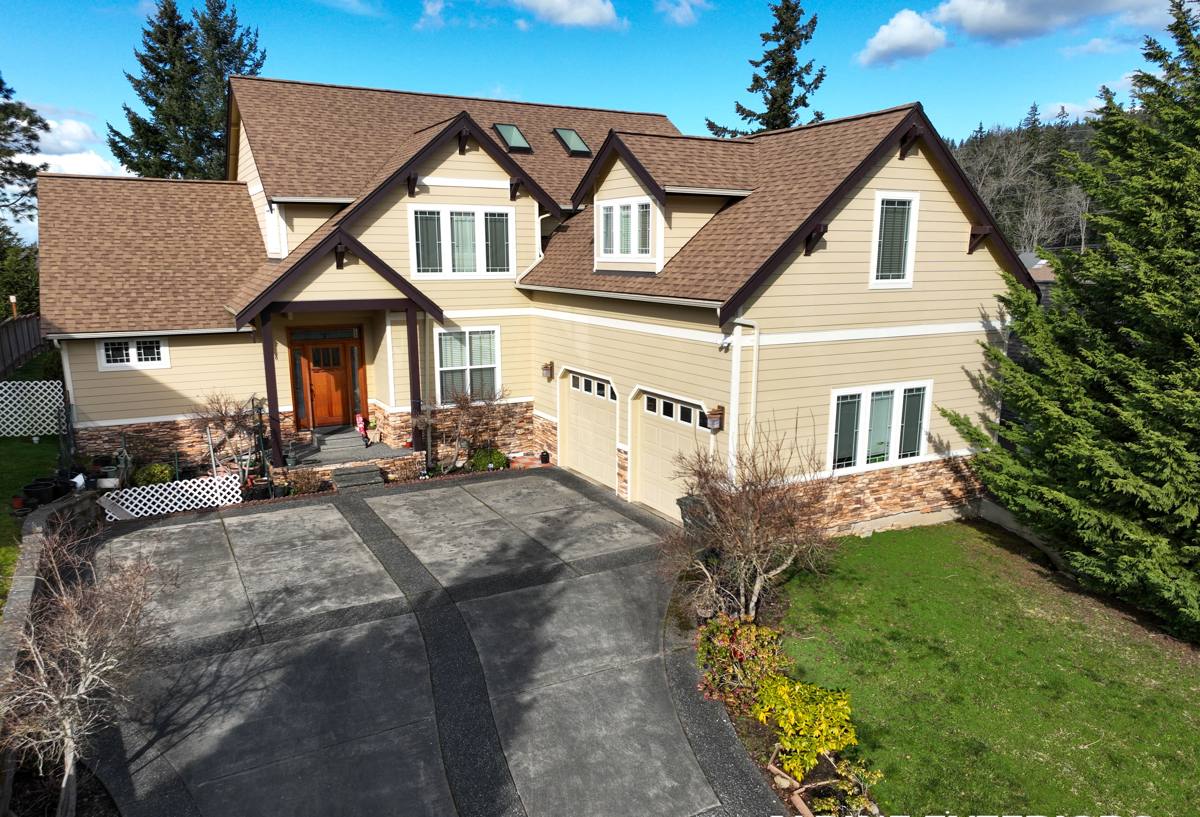
What Bellingham's Climate Actually Does to a Deck
It helps to understand the specific ways local conditions attack a deck over time, because it explains almost every decision we make on a build.
Salt Air and Corrosion
Homes closer to the water deal with airborne salt that accelerates corrosion on anything metal — fasteners, brackets, railing hardware, and structural connectors. Standard interior-grade screws and nails will rust and weaken years before the wood around them fails, which is a common cause of decks that look fine on the surface but are quietly losing structural integrity underneath.
Driving Rain
Bellingham doesn't just get rain, it gets rain that comes in sideways off the water and under overhangs. That means end grain, ledger boards, and any horizontal surface take on more water than a simple "rainfall total" would suggest. Water that isn't given a clear path off the structure ends up trapped in joints, fastener holes, and anywhere two pieces of material meet.
A Long Moss Season
Shade, moisture, and mild temperatures are exactly what moss and algae need to thrive, and in this part of Whatcom County that combination sticks around for most of the year. Moss on a deck surface isn't just cosmetic — it holds moisture against the wood or composite surface, and on stairs and walking paths it creates a real slip hazard.
Choosing Decking Material for Silver Beach Conditions
There's no single "best" decking material — every option is a trade-off between upfront cost, appearance, and how much upkeep you're willing to do. Here's how the common choices actually perform under Bellingham's specific conditions:
| Material | Upfront Cost | Maintenance Needed | Moss / Moisture Resistance |
|---|---|---|---|
| Pressure-treated wood | Lowest | Annual cleaning, periodic staining or sealing | Fair — needs regular upkeep to resist moss and rot |
| Cedar | Moderate | Regular cleaning, oil or stain every 1–2 years | Good natural rot resistance, but still needs care in shaded areas |
| Capped composite | Higher | Occasional washing, no staining or sealing | Very good — dense, capped surface resists moisture absorption |
| PVC / cellular decking | Highest | Occasional washing | Excellent — non-organic material, nothing for moss to feed on |
In shaded, damp yards, which describes a lot of lots in this neighborhood, we generally steer homeowners toward capped composite or PVC for the main deck surface, especially on north-facing decks or ones tucked under tree cover. Wood is still a good, honest choice for homeowners who want that traditional look and are willing to stay on top of cleaning and finishing — it's a maintenance commitment, not a flaw in the material, and we're upfront about that either way.
Where Deck Failures Actually Start: Framing and Fasteners
The decking boards are what you see, but the framing underneath is what determines whether a deck lasts ten years or thirty. Most of the deck problems we get called out to inspect in this area trace back to the substructure, not the surface material.
Footings and Posts
Footings need to be sized and set below frost depth per local code, on soil that can actually support the load. Whatcom County's mix of clay and moisture-retentive soils means we pay close attention to drainage around footings so they aren't sitting in standing water for months of the year.
Ledger Board Flashing
The ledger board — where the deck attaches to the house — is one of the most common failure points in wet climates. Without proper flashing that directs water away from the house band joist, moisture works its way behind the ledger and rots the framing from the inside, often long before it's visible from outside.
Fastener Selection
Given the salt air and near-constant moisture, we use corrosion-resistant, code-rated fasteners and structural connectors throughout — not because it's required everywhere, but because it's cheap insurance against the single most common cause of premature hardware failure in this climate.
Our Deck Building Process
Every deck we build follows the same core process, adjusted for the specific site, slope, and sun exposure of the property.
1. Site Assessment and Design
We walk the property, look at drainage patterns, tree cover, sun exposure, and how the deck will actually be used, then design around those realities rather than a generic layout.
2. Permitting
Most new decks and many deck replacements in the City of Bellingham and unincorporated Whatcom County require a building permit, particularly for structures above a certain height or attached to the home. We handle the permitting process so the deck is inspected and built to code, not just built to look right.
3. Framing
Footings, posts, beams, and joists go in first, sized and spaced to the load requirements of the design — sized for actual use (furniture, hot tubs, gatherings), not just the minimum.
4. Decking Installation
Boards are installed with proper spacing for drainage and material expansion, with hidden or exposed fasteners depending on the material and the homeowner's preference.
5. Railings, Stairs, and Finish Work
Railings and stairs are built to current guardrail and stair code requirements, with corrosion-resistant hardware throughout. Wood surfaces get their first coat of sealant or stain before we walk the finished deck with the homeowner.
Railings, Stairs, and Local Code
Guardrail height, baluster spacing, and stair rise-and-run all have to meet current building code, and inspectors in this area check these details closely — for good reason, since they're the difference-makers in an actual fall. We build to code as a baseline, not a ceiling, and we're happy to walk through the specific requirements that apply to your property's deck height and layout before work starts.
Drainage and Moss Prevention Built Into the Design
You can't eliminate moss and moisture in this climate, but you can design a deck that doesn't trap them. That means proper board spacing for airflow and drainage, joist tape or flashing on framing members to keep water from sitting on top of the wood, and, where the site allows it, orienting the deck to get whatever sun exposure is available to help it dry out between rain events. On shaded decks where full sun just isn't an option, material choice and surface texture matter more, which is part of why we talk through moss resistance as a real design factor, not an afterthought.
Maintenance Checklist for Silver Beach Homeowners
A well-built deck still needs some seasonal attention in this climate. Here's what we recommend to homeowners in this neighborhood, regardless of which contractor built the deck:
- Sweep debris and standing organic matter (leaves, needles) off the deck surface regularly, especially in fall
- Scrub or pressure-wash moss and algae growth at least once a year, more often on shaded sections
- Check fasteners and railing hardware annually for rust or looseness
- Inspect the ledger board flashing and the gap between the house and deck for trapped debris or moisture
- Reapply stain or sealant on wood decks every one to two years, sooner on sun-exposed or high-traffic areas
- Confirm gutters and downspouts near the deck are directing water away, not onto the deck surface or footings
Why Hire a Crew That Already Works in This Neighborhood
A deck built without accounting for Bellingham's marine climate is a deck that will need moss treatment, hardware repairs, or resealing far sooner than it should. We build in this climate every day, which means the flashing details, fastener choices, and material recommendations we give aren't theoretical — they're based on what actually holds up around Silver Beach and the rest of Whatcom County. We also know the local permitting process, which keeps the project moving instead of stalling on paperwork or code questions partway through.
If you're planning a new deck or replacing one that's showing its age, we're glad to come take a look, talk through material options for your specific lot, and put together a straightforward, no-pressure estimate — just fill out the form below to get started.