 Bellingham Exterior
 Roof Repair Built for Lynden's Climate
Lynden sits inland from the Bellingham waterfront, but it doesn't escape what makes roofs fail in this corner of Washington. Wind-driven rain off the Strait, humid air pulled up the Nooksack Valley, and a moss season that can run eight months or longer all put steady pressure on a roof's weakest points. Add in the salt-tinged air that carries across Whatcom County from Puget Sound, and you get a slow, grinding kind of wear that shows up first as small leaks, stained flashing, and soft spots long before a roof looks obviously bad from the ground.
A roof repair here isn't just patching a hole. It's understanding how water moves across a roof deck during a real Pacific Northwest storm, where moss and organic debris trap moisture against shingles or shakes, and which fasteners and flashings are already working overtime because of the local air. Repairing a Lynden roof correctly means treating it as a system, not a single bad spot.
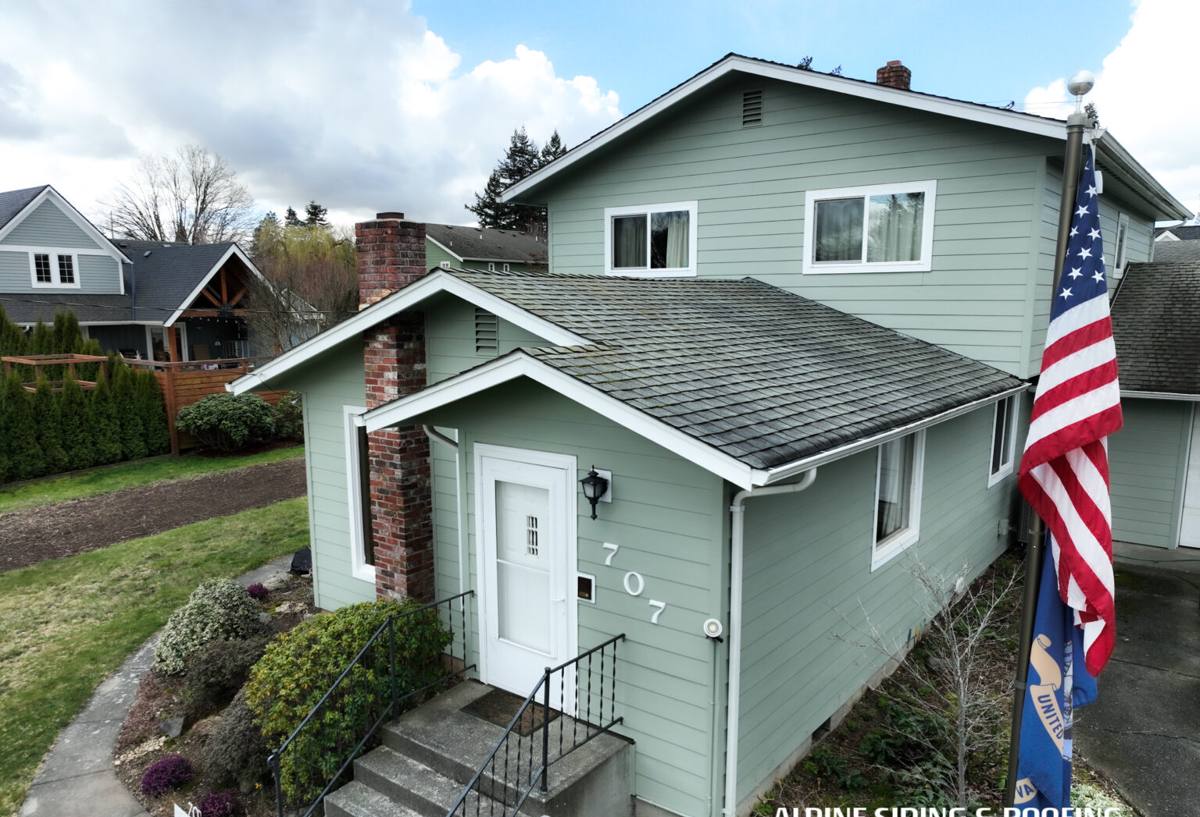
Signs a Lynden Roof Needs Repair
Most roof problems in this area don't announce themselves with a sudden leak. They build slowly through a wet fall and winter, then show up as damage once the rain really starts. Homeowners who catch these signs early save money, because a $300 repair postponed for two winters can turn into a $3,000 one.
- Dark streaks or thick moss growth on north-facing slopes or shaded valleys
- Granules collecting in gutters or at the base of downspouts
- Curling, cupping, or missing shingles, especially after a windstorm
- Soft or spongy spots on the roof deck felt when walking it
- Water stains on interior ceilings, especially near chimneys, skylights, or valleys
- Rusted, lifted, or cracked flashing around vents, chimneys, and wall intersections
- Daylight visible through the attic roof deck
- Gutters pulling away from the fascia or overflowing during heavy rain
What Actually Causes Roof Damage Around Lynden
Moss and Organic Growth
Whatcom County's long, damp shoulder seasons are ideal for moss. Once it takes hold on a shingle or shake roof, it holds moisture against the surface long after the rest of the roof has dried out. That constant dampness breaks down asphalt granules, rots cedar shakes from the underside, and lifts shingle tabs enough for wind-driven rain to get underneath. Moss removal done carelessly, by scraping or pressure washing, can actually cause more damage than the moss itself — it's one of the most common repair calls we see.
Wind-Driven Rain and Flashing Failure
Rain in this region rarely falls straight down. Storms push it sideways under shingle edges, around chimneys, and into any flashing seam that's even slightly open. Flashing is usually the actual point of failure, not the shingles around it — a roof can have plenty of shingle life left and still leak badly at a poorly sealed valley or wall transition.
Age, Fastener Wear, and Salt Air
Metal fasteners, flashing, and roof vents exposed to the region's humid, salt-touched coastal air corrode faster than the same materials would inland in a dry climate. Once a fastener or flashing seam corrodes, it stops doing its job long before the shingles around it look worn out.
Repair or Replace? What Decides It
Not every roof problem in Lynden needs a full replacement, and not every leak can be permanently fixed with a patch. The right call usually comes down to the roof's age, how widespread the damage is, and what's happening underneath the surface layer.
| Factor | Points Toward Repair | Points Toward Replacement |
|---|---|---|
| Roof age | Under 15 years (asphalt) or well-maintained shake/metal | Nearing or past manufacturer's expected lifespan |
| Damage location | Isolated to one slope, valley, or penetration | Spread across multiple slopes or the whole roof |
| Roof deck condition | Solid, dry decking under the damaged area | Soft, rotted, or delaminated decking found on inspection |
| Moss history | Light growth, first occurrence | Repeated heavy moss with granule loss underneath |
| Leak pattern | Traceable to a single flashing or fastener failure | Multiple unexplained leaks in different areas |
When we're on the roof for an estimate, we'll tell you honestly which side of that table your roof falls on. A repair that's only going to buy you one more wet season isn't a good use of your money, and we'd rather say so upfront.
What a Correct Repair Actually Involves
A roof repair done right in this climate goes past the visible damage. Skipping any of these steps is how a "fixed" roof leaks again in the next storm.
- Full slope inspection — not just the reported problem spot, since wind and moss damage rarely stay in one place
- Deck check — pulling damaged shingles or shakes to confirm the roof deck underneath is sound and dry
- Underlayment assessment — checking whether the felt or synthetic underlayment beneath the damaged area is still doing its job
- Flashing repair or replacement — resealing or replacing corroded, lifted, or gapped flashing at valleys, chimneys, and vents
- Matching materials — sourcing shingles, shakes, or metal that reasonably match the existing roof in color and profile
- Proper fastening — using corrosion-resistant fasteners suited to this region's air, not whatever is cheapest
- Debris and moss cleanup — clearing organic growth and debris from the repaired area and surrounding roof, not just papering over it
Materials We Work With
Most Lynden homes we repair are asphalt composition shingle, with a meaningful number of cedar shake and standing-seam metal roofs, especially on older farmhouses and newer custom builds. Each material fails differently and needs a different repair approach — a shingle patch and a shake patch are not interchangeable techniques, and metal roof repair is its own skill set involving sealant systems and panel fastening rather than shingle work. We'll tell you plainly if a repair method isn't appropriate for your roof type rather than forcing a one-size-fits-all fix.
Our Repair Process
Every roof repair we do in the Lynden area follows the same basic sequence, whether it's a single flashing fix or a larger multi-area repair.
- On-site inspection and honest assessment of what's actually failing
- Clear, written estimate before any work starts — no surprise add-ons
- Scheduling that accounts for the weather window, since roof repairs need dry conditions to be done properly
- The repair itself, including deck and flashing work where needed, not just surface patching
- Cleanup of debris, old materials, and any moss removed during the job
- A final walk-through so you know exactly what was done and why
We don't push replacement when a repair will genuinely hold, and we don't sell a repair when the underlying roof is too far gone to make that a responsible recommendation. Our job is to tell you which situation you're actually in.
Why Local Experience in Lynden Matters
A roofing crew that mostly works dry-climate regions doesn't have daily practice with the specific failure patterns Whatcom County roofs show — heavy moss undermining shingles from below, flashing corrosion from persistent damp air, and wind-driven rain finding gaps that would never be a problem somewhere with less sideways weather. Working this area consistently means we recognize these patterns fast during an inspection instead of guessing, and we know which repair approaches actually hold up through a full Pacific Northwest wet season rather than just looking fixed until the next storm.
Response time matters too. When a leak shows up mid-storm, getting a temporary fix in place quickly — and then doing the permanent repair right once weather allows — depends on a crew that's already familiar with the area and not driving in from far outside it.
Maintenance That Prevents the Next Repair Call
A repair is a good moment to also address the conditions that caused the damage in the first place. A few habits go a long way toward stretching the time between roof repairs on Lynden homes:
- Clean gutters and downspouts at least twice a year, more often under overhanging trees
- Have moss professionally treated rather than scraped or pressure washed
- Trim back branches that keep a roof section shaded and slow to dry
- Check attic ventilation, since poor airflow traps moisture against the roof deck from underneath
- Schedule a roof check after any major windstorm, even if nothing looks obviously wrong from the ground
If you're dealing with a leak, missing shingles, moss buildup, or just want an honest read on your roof's condition, we're glad to take a look. Fill out the form below for a free, no-pressure estimate — we'll tell you what we actually see, not just what sells the biggest job.