 Bellingham Exterior
 Roof Repair Built for Columbia's Weather, Not a Generic Climate
The Columbia neighborhood sits close enough to Bellingham Bay that homes here take on a specific mix of punishment: salt-laden air off the water, driving rain that comes in sideways during fall and winter storms, and a moss season that can run eight months or longer in the shaded, moisture-heavy lots common throughout this part of Bellingham. A roof repair that works fine in a dry inland climate can fail here within a season if it doesn't account for all three. We repair roofs in Columbia the way the local climate actually demands, not the way a generic roofing checklist assumes.
This page is about roof repair specifically — patching, resealing, replacing damaged sections, and fixing the underlying cause of a leak — not full roof replacement. Most roofs in Columbia don't need a full tear-off; they need the right repair done correctly, at the right time, before a small problem becomes a deck-level or interior problem.
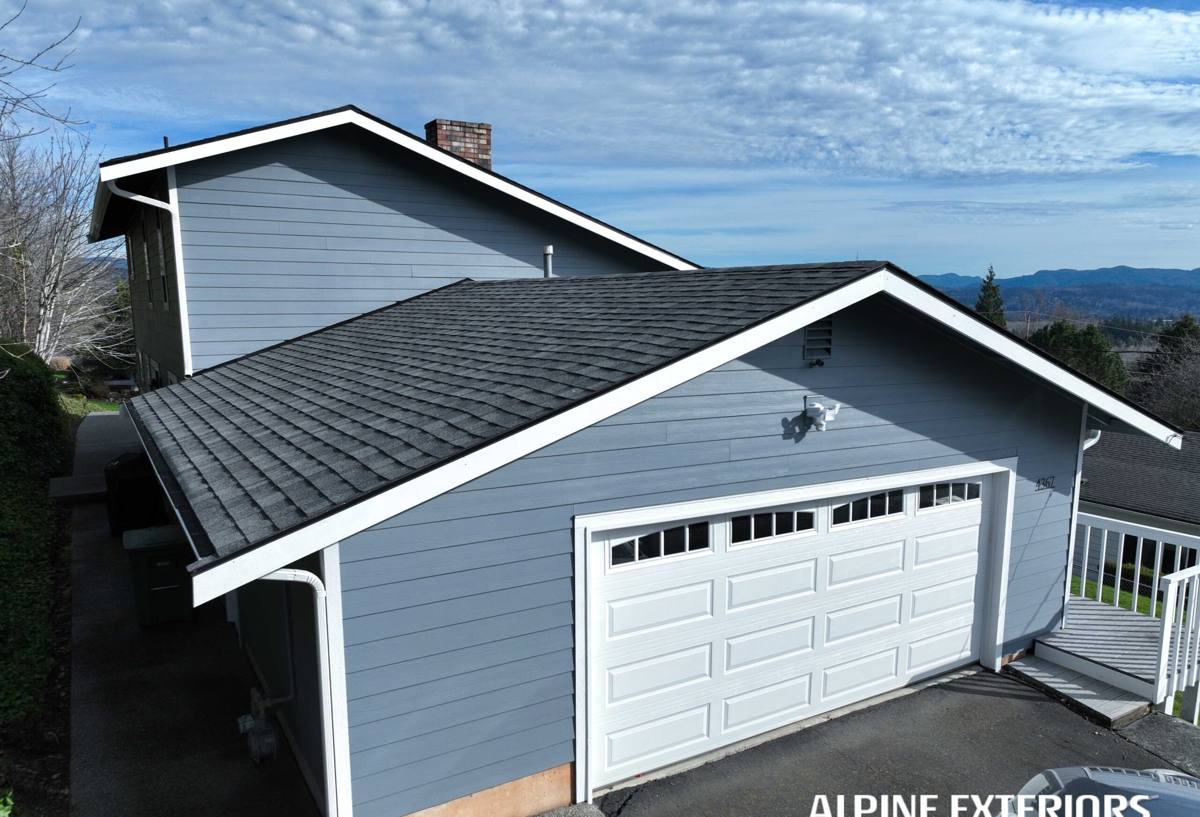
What Whatcom County's Climate Does to a Columbia Roof
Salt Air and Metal Fatigue
Proximity to Bellingham Bay means airborne salt settles on roofing metal — flashing, fasteners, gutter hardware, and vent caps — faster than it would further inland. Salt exposure accelerates corrosion on lower-grade or exposed fasteners and can pit galvanized flashing over time, which is often where a "mystery leak" actually starts.
Driving Rain and Wind-Driven Water
Storms coming off the water tend to push rain sideways rather than straight down. That matters for repair work because a patch or flashing detail that only handles vertical rain can still leak under wind-driven conditions. Valleys, wall-to-roof transitions, and anywhere two roof planes meet are the areas most exposed to this kind of water intrusion.
Moss, Shade, and Long Wet Seasons
Columbia's tree cover and the Pacific Northwest's extended wet season together create ideal conditions for moss and algae growth on roofing. Moss doesn't just look bad — it holds moisture against shingles and roof decking far longer than bare roofing would, and it can lift shingle edges as it grows, creating entry points for water.
Signs a Columbia Home Needs Roof Repair
Most roof leaks don't announce themselves with a dramatic ceiling stain. They show up as small, easy-to-miss signs first. Homeowners in this neighborhood should watch for:
- Moss buildup along the north-facing or shaded slopes of the roof
- Granules collecting in gutters or at downspout outlets (a sign of shingle wear)
- Discoloration or a soft spot on interior ceilings, especially near exterior walls
- Visible gaps, cracking, or lifted edges in flashing around chimneys, vents, and skylights
- Shingles that look curled, cupped, or darker than the surrounding roof
- Daylight visible through the roof deck from inside an attic
- A musty smell in an attic or upper closet that wasn't there before
Any one of these on its own may not be urgent. Two or more together, especially heading into fall storms, is worth a professional look before winter rain arrives.
Common Repair Issues We See on Columbia Roofs
Flashing and Valley Failures
Flashing — the metal or membrane material at roof joints, chimneys, and valleys — is the single most common source of leaks we find on repair calls in this area. It's not usually the shingles that fail first; it's the transitions between roof planes and roof penetrations.
Moss-Related Shingle Damage
Once moss establishes itself on a shaded slope, it holds water against the shingle surface and can work its way under shingle edges. Left untreated over a full wet season, this leads to granule loss and, eventually, deck-level moisture that a simple moss wash won't fix.
Wind and Storm Damage
Bellingham's exposure to wind off the Strait and the bay means lifted or missing shingles after a storm are a regular repair call. A shingle that's lifted but not missing is often repairable on its own; once several are gone in one area, the underlayment beneath is exposed and needs attention quickly.
Fastener and Metal Corrosion
In homes closer to the water, we sometimes find corroded fasteners or pitted flashing well before the roofing material itself is due for replacement. This is a direct result of the salt-air exposure specific to this part of Bellingham.
What a Correct Roof Repair Actually Involves
A proper repair isn't just patching the spot where water is showing up inside the house — water often travels along the roof deck or framing before it drips somewhere visible. A repair done right includes:
- Tracing the leak to its actual entry point, not just the visible interior damage
- Inspecting the roof deck underneath for soft spots, rot, or existing moisture damage
- Matching replacement shingles or materials as closely as possible to the existing roof
- Replacing flashing rather than just resealing it, when the flashing itself is compromised
- Confirming proper underlayment and water barrier at the repair area, not just surface material
- Checking adjacent areas for early-stage problems so one repair call doesn't turn into three
Skipping the "trace it to the source" step is the most common shortcut in cheap roof repair, and it's why the same leak often reappears a season later somewhere nearby.
Repair vs. Replacement: How We Make the Call
Not every damaged roof needs full replacement, and not every leak is fixable with a patch. We walk Columbia homeowners through the honest tradeoffs rather than defaulting to the bigger job.
| Factor | Repair Is Usually Right | Replacement Should Be Considered |
|---|---|---|
| Age of roof | Under 15–20 years, depending on material | Nearing or past the material's expected service life |
| Damage location | Isolated to one area, valley, or penetration | Spread across multiple slopes or the whole roof |
| Roof deck condition | Solid, dry decking under the damaged section | Soft, rotted, or repeatedly wet decking |
| Moss/algae extent | Surface-level, recent growth | Long-term growth with granule loss underneath |
| Number of past repairs | First or second repair in this area | Same spot repaired multiple times already |
We'll always tell you when a repair is the honest answer, even if replacement would be the bigger job for us. A roof that only needs a repair doesn't need a sales pitch for a new one.
Our Roof Repair Process
1. Inspection and Diagnosis
We start on the roof, not on assumptions — a physical inspection of the affected area, the roof deck where accessible, and the surrounding roof sections to see if the damage is isolated or part of a larger pattern.
2. Clear Explanation Before Work Starts
You'll know what we found, what caused it, and what the repair involves before any work begins — no vague "we'll fix it and see" approach.
3. The Repair Itself
This includes removing and replacing damaged materials, correcting flashing details, addressing any moss or moisture buildup in the area, and matching materials to blend with the existing roof where possible.
4. Cleanup and Follow-Through
We clear debris, old materials, and any dislodged granules or moss from gutters and the ground, and we'll flag anything else we noticed on the roof that's worth keeping an eye on — even if it's not part of today's repair.
Why a Crew That Already Works in Columbia Matters
Roof repair isn't one-size-fits-all across Whatcom County. A crew that regularly works in Columbia and the surrounding Bellingham neighborhoods already understands how the salt air, tree cover, and storm exposure specific to this area tend to show up on a roof — which slopes hold moss longest, which flashing details fail first in wind-driven rain, and how quickly a small leak can turn into deck damage during a wet Pacific Northwest winter. That local pattern recognition means less time spent diagnosing and more time spent fixing the actual problem.
It also means accountability. A local crew has a reputation in the neighborhood to maintain, and we're not disappearing to the next city over once the job's done.
Between Repairs: Keeping a Columbia Roof Healthy
A repair lasts longer when it's not fighting the same conditions that caused the original damage. Between service calls, homeowners can help their roof by:
- Keeping gutters clear so water isn't backing up under roof edges
- Trimming back overhanging branches that keep roof sections shaded and damp
- Having moss treated or removed before it spreads across a full slope
- Doing a visual check after major windstorms for lifted or missing shingles
- Scheduling a professional inspection every year or two, especially before winter storm season
None of this replaces a proper repair when damage is already present, but it does stretch the life of the repair once it's done.
If you're seeing moss buildup, a stain on a ceiling, or storm damage on your Columbia home's roof, we're happy to take a look and give you a straight answer — no pressure, no upsell. Reach out below for a free estimate.