 Bellingham Exterior
 New-Construction Windows in Sunnyland: Get the Install Right the First Time
Sunnyland is one of Bellingham's older, close-in neighborhoods, and like a lot of established parts of the city it's seeing steady infill and new home construction on lots that already carry decades of tree cover, established drainage patterns, and mature soil conditions. When a new home goes up here, the windows are one of the few building components that have to perform flawlessly for the life of the house — you don't get a do-over once siding, trim, and interior finishes are in place. Getting the window install right during framing is dramatically cheaper and more reliable than fixing a leak or a failed seal five years later.
This page is specifically about new-construction window installation for homes being built in Sunnyland — not window replacement in an existing wall. The two jobs share a product category but almost nothing else in terms of technique, sequencing, and what "correct" looks like.
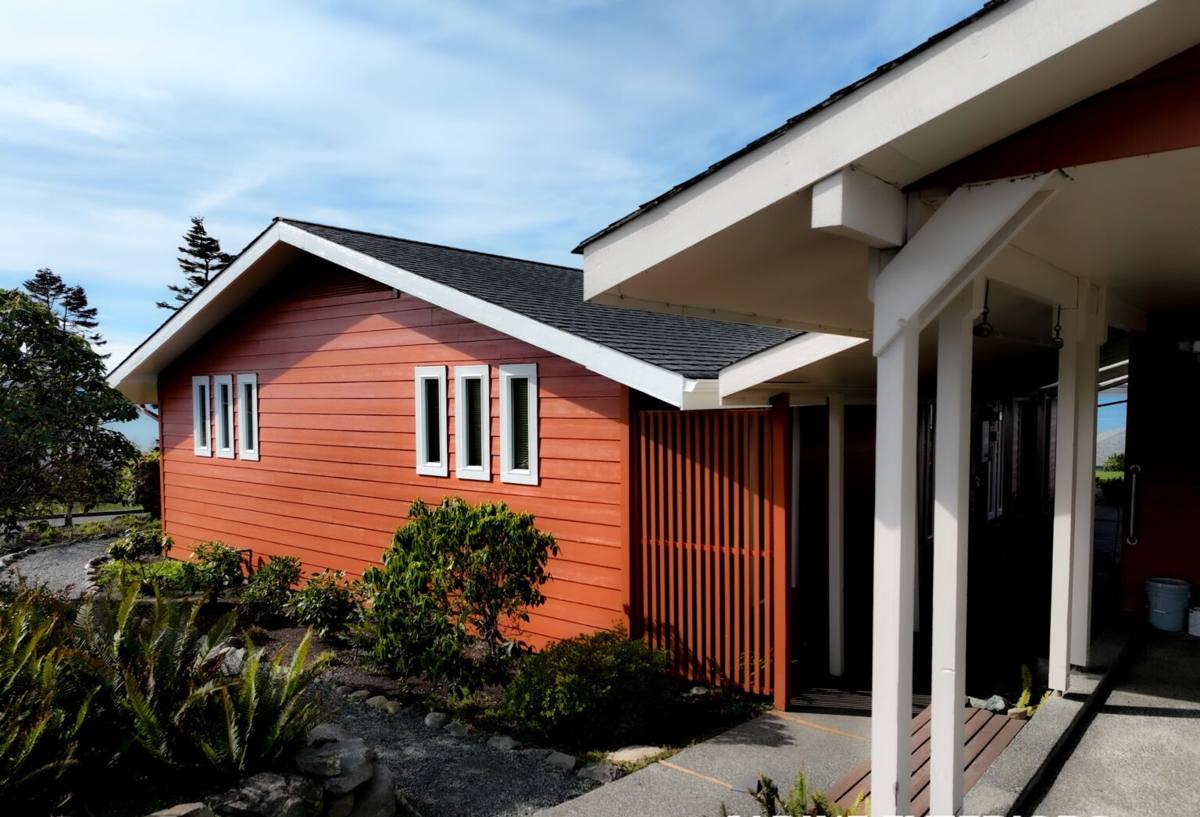
Why Bellingham's Marine Climate Raises the Stakes
Whatcom County sits right on the water, and that proximity shapes how every building material ages here, windows included. New-construction windows in Sunnyland face three specific stressors that a contractor working in a drier inland climate simply doesn't have to think about as hard.
Salt Air and Hardware Fatigue
Airborne salt off Bellingham Bay accelerates corrosion on exposed fasteners, weep hardware, and lower-grade cladding finishes. It's not dramatic or fast, but it's constant, and it's why we pay attention to the corrosion resistance of the screws, flashing, and hardware that go into the rough opening — not just the window unit itself.
Driving Rain and Water Intrusion
Storms here frequently come in sideways off the Sound, which means water gets pushed into wall assemblies that would stay dry in a straight-down rain. A window opening that relies on caulk alone, rather than proper flashing and drainage, is a matter of when it leaks, not if.
A Long, Damp Moss Season
Bellingham's extended cool, wet stretch from fall through spring keeps building surfaces damp for months at a time. Any water that does get behind a window — even a small amount — has a long window of opportunity to soak into sheathing and framing before things dry out again. That's why drainage and back-ventilation at the sill matter as much as the seal at the exterior face.
What a Correct New-Construction Window Install Actually Involves
A new-construction window is set into a rough opening in the framed wall before siding goes on, using a nailing-fin flange that ties into the weather-resistant barrier (WRB). The quality of that connection — not the window brand — is what determines whether the opening stays dry for the next 30 years.
Sill Pan Flashing
Every rough opening should get a sloped, sealed sill pan before the window ever goes in. This creates a dedicated drainage path so that any water that gets past the window — through wind-driven rain, condensation, or a future seal failure — has somewhere to go besides the framing below it.
WRB and Flashing Tape Integration
The nailing fin has to be integrated into the house wrap in the correct shingle-lap order: sill flashing first, then side flashing over the sill flashing, then head flashing over the side flashing, then the WRB lapped over the head flashing. Skip a step or do it out of order and water gets directed into the wall instead of away from it.
Fastening, Shimming, and Squaring the Opening
A window that's fastened before it's properly shimmed and squared will rack over time, which stresses the frame, binds the sash, and opens gaps at the corners. We check for square, level, and plumb before a single fastener goes through the fin, and we shim at every fastening point specified by the manufacturer — not just the corners.
Choosing a Window Frame Material for a Sunnyland New Build
Frame material is one of the biggest decisions on a new build, and it's worth weighing against this specific climate rather than a generic recommendation. Each option below is a legitimate choice — the right one depends on your budget, maintenance appetite, and how exposed the elevation is to weather.
| Frame Material | Marine Climate Durability | Maintenance | Relative Cost |
|---|---|---|---|
| Vinyl | Good — won't corrode or rot; can flex slightly with temperature swings | Low | Lowest |
| Fiberglass | Very good — dimensionally stable, resists moisture and corrosion well | Low | Mid to high |
| Wood-clad | Good on the exterior face; interior wood needs protection from indoor humidity | Moderate | High |
| Aluminum | Fair — strong but a poor thermal performer and prone to condensation without a thermal break | Low to moderate | Mid |
Our standard recommendation for new construction in this climate is vinyl or fiberglass, both of which handle sustained moisture exposure and salt air without the upkeep that wood cladding or bare aluminum demand. That's a durability and maintenance call, not a knock on any manufacturer's product line — every material on this list has a legitimate place depending on the design goals for the home.
Meeting Washington's Energy Code and Local Requirements
Washington's energy code is one of the stricter ones in the country, and new construction has to hit specific U-factor and solar heat gain targets for the whole building envelope, not just the windows in isolation. On a new build we look at the whole glazing package — U-factor, SHGC, and how the windows are distributed across elevations — to make sure the house passes energy code review without over-spending on performance the design doesn't need.
New construction also brings egress requirements into play: bedrooms need a window that meets minimum clear opening width, height, and area, and sill height above the finished floor has limits too. These get checked at framing inspection, and getting the wrong unit ordered for an egress opening is an expensive mistake to catch after drywall.
How We Coordinate With Builders and GCs
New-construction window work rarely happens in isolation — it's one piece of a sequence that includes the framer, the WRB installer, the siding crew, and the GC's inspection schedule. Our process is built around that coordination:
- Review rough openings against the window schedule before delivery, catching sizing mismatches while they're still easy to fix
- Confirm WRB is installed and ready to receive flashing before windows go in
- Install sill pans, set and square each unit, then flash and tape in the correct shingle-lap sequence
- Walk the openings with the builder before siding closes them in, since that's the last point where flashing errors are easy to see and correct
- Return for final adjustment and operation check once the home is closer to move-in, when temperature and humidity have settled the framing
Where New-Construction Window Jobs Go Wrong
Most of the window problems we get called out to inspect on newer homes trace back to the install, not the product. Our standard is built around avoiding these specific failure points:
- Skipping the sill pan and relying on the window's own weep system alone
- Using caulk as the primary water barrier instead of properly lapped flashing
- Fastening before the unit is shimmed and checked for square, which racks the frame under load
- Taping the WRB in the wrong order relative to the flashing, which channels water into the wall instead of out
- Ordering the wrong sill height or clear opening on a bedroom window, missing egress code
Checklist: What to Verify Before Drywall Goes Up
If you're a homeowner working with a builder on a new Sunnyland build, these are reasonable things to ask about or ask to see before the walls close in:
- Sill pan flashing installed at every window opening
- Flashing tape lapped sill-first, then jambs, then head, over a continuous WRB
- Each window checked for level, plumb, and square before fastening
- Shims placed at every manufacturer-specified fastening point, not just the corners
- Egress-rated windows confirmed in every bedroom per code
- Interior air sealing (low-expansion foam or backer rod and sealant) between the frame and rough opening, not just exterior sealant
Why a Crew That Already Works Sunnyland Matters
A contractor who's done new-construction window work across Bellingham and Whatcom County knows the local inspection process, has a working relationship with area builders and framers, and has already seen how this specific climate treats a window opening over the years — not in a lab, but on real houses a few miles from where your foundation just got poured. That translates into fewer surprises at inspection, fewer callbacks after the first hard winter rain, and a crew that can flag a framing or flashing issue before it becomes drywall's problem.
If you're building new in Sunnyland and want a window package and install plan built for this exact climate, we're happy to walk the plans with you and put together a free, no-pressure estimate — just fill out the form below.