 Bellingham Exterior
 Board & Batten Siding in Lynden: Built for the Way This Town Weathers
Lynden homes carry a look that board and batten siding fits naturally — clean vertical lines, a farmhouse or modern-craftsman feel, and a silhouette that reads well on both older homes near town and newer builds out toward the county roads. But the look is only half the job. Whatcom County's weather is hard on vertical siding in ways that don't show up until a few winters in, and the material and installation choices behind that clean board and batten look matter more here than in a drier climate.
We install board and batten exclusively in James Hardie fiber cement. This page walks through what Lynden's climate actually does to siding, what a correct board and batten installation requires, and why the details matter more than the style photo you started with.
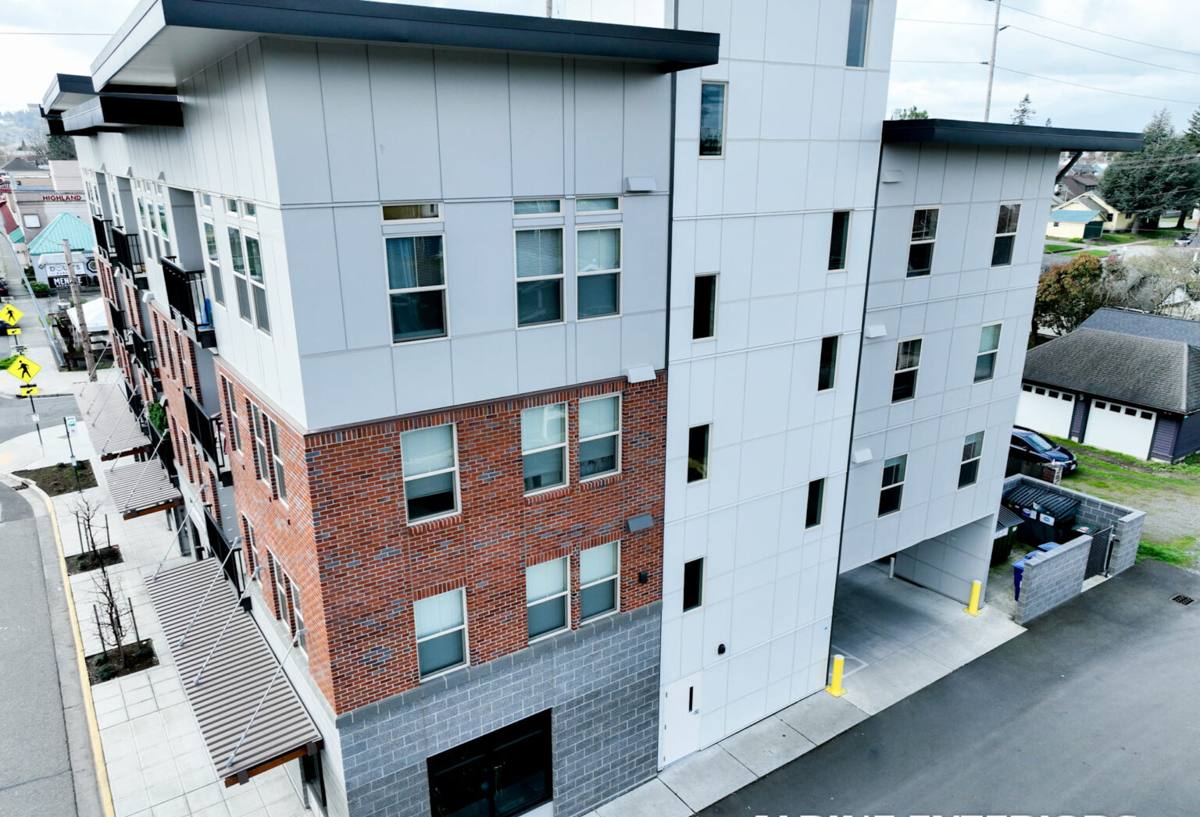
What Whatcom County Weather Does to Vertical Siding
Board and batten siding has more seams than lap siding — every batten is a joint, and every joint is a place water can find its way behind the cladding if it isn't detailed correctly. That's a manageable design challenge in a dry climate. In this part of Washington, it's the main thing a correct installation has to solve for.
A few specific conditions show up again and again on homes we look at in and around Lynden:
- Driving rain: Wind-driven storms push moisture sideways into vertical joints and batten edges, not just straight down the face of the wall the way it would on a still day.
- Marine-influenced humidity: Damp air moving in off Bellingham Bay and the Salish Sea settles over inland farm towns like Lynden too, keeping wall surfaces cooler and slower to dry than the sunshine alone would suggest.
- A long moss season: Cool, wet stretches that run from fall through spring give moss, algae, and mildew months of favorable conditions on any siding material that holds moisture at the surface.
- Freeze-thaw cycling: Whatcom County gets enough cold snaps that any water trapped behind or inside a siding board has a chance to freeze, expand, and worsen existing damage.
None of this means board and batten is a bad choice for a Lynden home. It means the batten layout, the fastening pattern, and the material underneath the finish coat all have to be chosen with this weather in mind — not just the paint color.
Why This Hits Board & Batten Harder Than Lap Siding
Traditional horizontal lap siding sheds water down and out by design — each course overlaps the one below it. Board and batten works differently: wide vertical panels or boards are covered at the seams by narrower battens, and that seam is a vertical channel running the full height of the wall. If the batten isn't fastened and gapped correctly, or if the wrong material swells and shrinks with moisture, that channel becomes the path water uses to get behind the siding instead of running off of it.
Why We Only Install Board & Batten in James Hardie Fiber Cement
Board and batten is available in several materials, and we've made a deliberate call to install it only in James Hardie fiber cement — not vinyl, not engineered wood, not primed spruce or cedar. That's not a marketing preference; it's based on how these materials actually perform on Whatcom County walls over years, not just in the first season.
Wood-based battens and boards are organic material. Even with a good primer and paint job, end grain and cut edges absorb moisture, and a climate with this much sustained dampness and moss pressure will eventually find those weak points. Vinyl board and batten handles water fine but is a thin plastic profile — it flexes, fades, and can crack in a hard freeze, and it can't be repainted when it starts to look tired. James Hardie fiber cement is manufactured from cement, sand, and cellulose fiber, engineered specifically for moisture exposure, and it holds its shape and finish far longer under the conditions this region produces.
James Hardie's HZ5 product line is engineered for climates like this one — the Pacific Northwest's freeze-thaw and moisture cycle is exactly what that formulation targets. Combined with the factory-applied ColorPlus finish, you get color and coating consistency that isn't dependent on field paint application, which matters a great deal on a profile with this many exposed edges and seams.
What a Correct Board & Batten Installation Actually Involves
The finished look of board and batten is simple, but a correct installation has several layers most homeowners never see. Skipping any of them is how a siding job looks fine for two years and then starts showing streaking, staining, or soft spots at the seams.
Drainage Plane and Weather-Resistive Barrier
Before any siding goes up, the wall needs a continuous weather-resistive barrier, properly lapped and sealed at every penetration. On a board and batten wall, this layer is doing more work than usual because of how many vertical seams sit above it.
Rainscreen Gap
A furring strip or engineered rainscreen product behind the siding creates a small air gap between the cladding and the wall. That gap lets any moisture that does get past the outer surface drain and dry out instead of sitting against the sheathing — which is exactly the kind of slow, hidden damage that shows up as rot years later in a wet climate like this one.
Fastening Pattern
James Hardie specifies exact fastener spacing, type, and placement for board and batten applications, and it varies by panel width and exposure. Fasteners placed incorrectly, or spaced too far apart, are one of the most common causes of panel movement, cracking, and premature seam failure.
Batten Placement and Caulking
Battens need consistent spacing over the panel seams, correct fastening into structural framing (not just into the panel), and the right sealant at any point where caulking is specified rather than an open, ventilated joint. Getting this backwards — sealing a joint that's supposed to breathe, or leaving open a joint that's supposed to be sealed — is a common source of callbacks industry-wide.
Flashing at Windows, Doors, and Trim
Every window, door, and trim transition is a place where water wants to get behind the siding. Flashing has to be integrated with the weather-resistive barrier and the siding in the correct order — done out of sequence, it can direct water into the wall instead of away from it.
Our Process for a Lynden Board & Batten Project
We approach every board and batten job in Lynden the same structured way, because skipping steps is exactly what causes the moisture problems this climate is so good at finding.
- On-site assessment: We inspect existing siding, sheathing, and trim condition, checking for any hidden moisture damage before quoting the job.
- Tear-off and sheathing check: Old siding comes off and we inspect the sheathing underneath for rot or soft spots, addressing any framing repairs before covering the wall back up.
- Weather-resistive barrier and rainscreen installation: A continuous, properly lapped barrier goes down first, followed by furring or a rainscreen product to create the drainage gap.
- Flashing integration: Windows, doors, and all trim transitions are flashed and integrated with the barrier before siding installation begins.
- Panel and batten installation: James Hardie panels and battens go up to manufacturer fastening specifications, with correct spacing and sealant placement at each seam.
- Final detailing and cleanup: Trim, caulking, and touch-up work are finished, and the site is cleaned before we walk the job with you.
Board & Batten Material Comparison for Whatcom County Homes
Homeowners comparing quotes in Lynden are often comparing more than price — they're comparing what's actually being installed. Here's how the common board and batten material options hold up against the conditions described above.
| Material | Moisture Resistance | Maintenance | Typical Longevity Here |
|---|---|---|---|
| James Hardie fiber cement | Engineered for freeze-thaw and sustained moisture (HZ5) | Occasional wash; factory finish resists fading | Decades with correct install |
| Primed wood (cedar/spruce) | Absorbs moisture at end grain and cut edges | Regular repainting and caulk maintenance | Shorter; moss and rot pressure is high |
| Vinyl board & batten | Sheds water but can warp or crack in cold snaps | Low, but not repaintable when faded | Moderate; UV and cold shorten lifespan |
| Engineered wood (LP-style) | Treated for moisture but still wood-fiber based | Moderate; edge sealing is critical | Moderate; installation sensitivity is higher |
This is why we've standardized on one material rather than offering all of them. A board and batten wall in this climate is only as good as its weakest seam, and fiber cement gives us the most consistent, predictable performance to build that detailing around.
Signs Your Current Siding Is Losing the Fight
If you're not sure whether it's time to replace board and batten, lap siding, or panel siding on a Lynden home, these are the signs worth taking seriously before they become structural issues:
- Persistent moss, algae, or dark streaking that returns within weeks of cleaning
- Soft, spongy, or discolored spots when you press on the siding near the bottom edges or seams
- Paint that's peeling or bubbling rather than just fading evenly
- Visible gaps, warping, or separation at batten joints
- A musty smell near exterior walls inside the home, which can indicate moisture behind the siding
- Cracked or crumbling caulk at trim, window, and door edges
Why Hiring a Crew That Already Works in Lynden Matters
Siding installation standards don't change block by block, but local exposure conditions do — wind direction relative to open farmland, proximity to tree cover that holds moisture and shade, and how much a particular wall faces the prevailing weather all affect how a board and batten installation should be detailed on a specific home. A crew that regularly works Lynden and the surrounding Whatcom County area has already seen how these variables play out on real walls through multiple wet seasons, not just on a spec sheet.
Local experience also means faster, more accurate estimating. We're not guessing at how this region's climate affects a board and batten wall — we've built and repaired enough of them here to know exactly where the vulnerable points are and how to detail around them the first time.
What to Ask Any Contractor Before You Sign
Whether you hire us or someone else, these questions will tell you a lot about whether a contractor is actually planning for this climate or just installing whatever's on the truck:
- What weather-resistive barrier and rainscreen system will be used behind the siding?
- What is the exact fastening pattern and spacing for the panels and battens, and is it to manufacturer spec?
- How will flashing be integrated at windows, doors, and trim?
- What happens if rot or damage is found in the sheathing during tear-off?
- What warranty applies to the material, and what warranty applies to the labor separately?
If a contractor can't answer these clearly before the job starts, that's worth knowing before the walls are closed back up.
Get a Free, No-Pressure Estimate
If you're considering board and batten siding for a home in Lynden, we're happy to take a look, walk you through what your specific walls and exposure would need, and give you a straightforward estimate — no pressure, no obligation. Use the form below to get started.