 Bellingham Exterior
 Windows Built for Happy Valley's Weather, Not Just the Catalog Photo
Happy Valley sits on the hillside just south of downtown Bellingham, close enough to Bellingham Bay that salt-laden air reaches most homes in the neighborhood on a windy day. Add Whatcom County's long wet season, driving rain off the Sound, and the shade and moisture that keep moss thriving on north-facing walls and rooflines for much of the year, and you have a climate that is genuinely tough on window assemblies. A window that performs fine in a drier inland climate can fail early here if it isn't installed with this specific weather pattern in mind.
We work on homes in this neighborhood regularly, from older houses with original wood-frame windows to newer construction with builder-grade vinyl units that were never sealed correctly the first time. This page covers what actually matters for a window replacement done right in Happy Valley — not a generic rundown of window types.
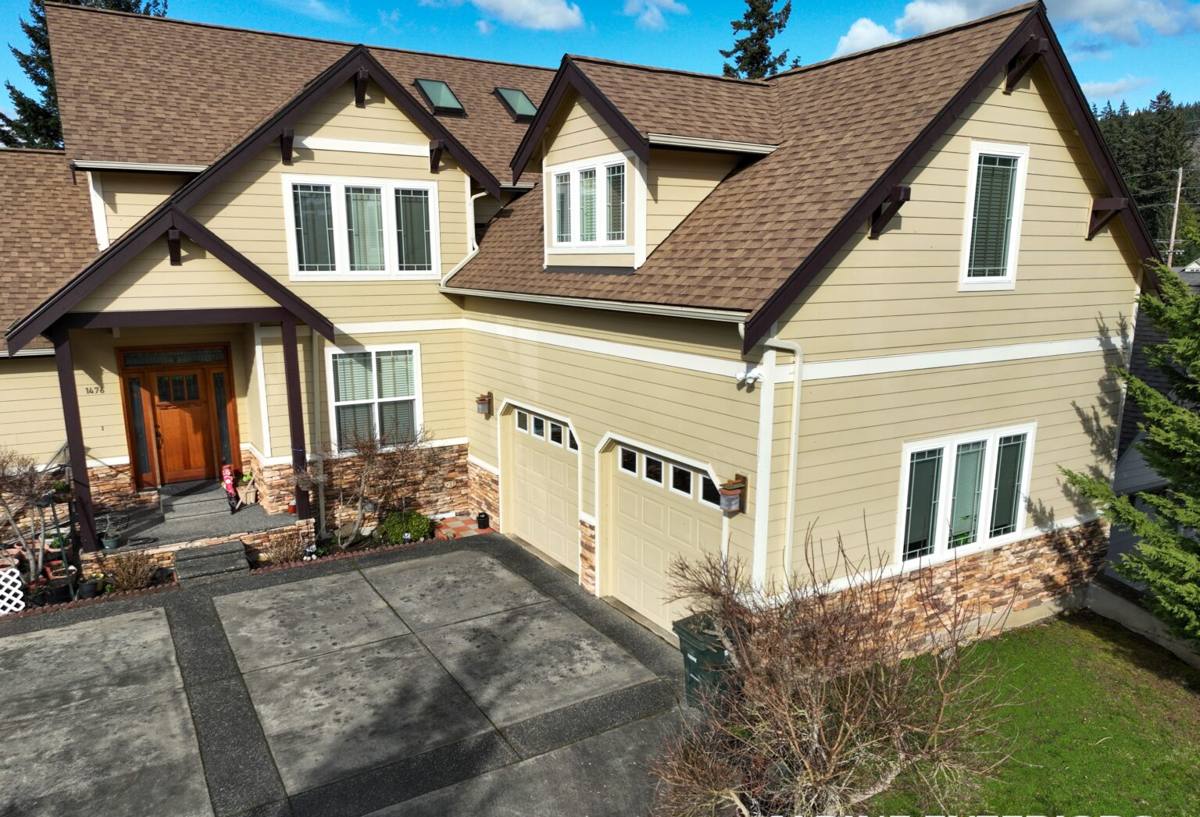
Why Bellingham's Climate Is Hard on Windows
Three things do most of the damage over time:
- Salt air and moisture-laden wind off the bay accelerates corrosion on hardware, fasteners, and lower-grade metal components, and slowly degrades cheap weatherstripping.
- Driving, wind-blown rain hits windows at an angle rather than straight down, which means flashing and sill design matter more here than in climates where rain mostly falls vertically.
- Extended damp, shaded periods — Bellingham's long gray season — keep sills, jambs, and surrounding trim wet for days at a stretch, especially on north and west exposures. That's the same moisture load that feeds moss on roofs and siding, and it does not spare window openings.
None of this is exotic. It's just persistent. A window installation that ignores any one of these three factors tends to show it within a few winters, usually as soft trim, fogged glass, or a draft that wasn't there when the windows were new.
Signs It's Time to Replace Windows in a Happy Valley Home
The obvious ones
Fogging or a visible haze between panes means the seal on a double- or triple-pane unit has failed and the gas fill (or just the dry air gap) is gone. Once that happens, the glass unit needs replacing — there's no repair for a failed seal. Windows that won't stay open, won't latch, or have visibly rotted wood at the sill are also past the point of patching.
The signs homeowners miss
A lot of window failure in this climate is quieter than that. Watch for:
- A cold draft near the window on windy days even when it's fully latched
- Paint or finish that's bubbling or peeling on the interior sill or lower sash
- Soft or spongy trim when you press on it near the bottom corners
- Condensation forming on the inside of the glass regularly in cold weather
- Visible moss or dark streaking on the siding or trim directly around the window
That last one is worth taking seriously. Moss and algae growth right at a window opening usually means water is sitting there longer than it should, which points to a flashing or drainage problem rather than a cosmetic one.
What a Correct Window Replacement Actually Involves
Swapping in a new window is the easy part. What determines whether it lasts is everything around it.
Flashing and water management
The window opening needs to be flashed so that any water that gets behind the siding or trim is directed back out, not into the wall cavity. This is the single most common thing we find done wrong on prior installs in this area — either skipped entirely or done with the wrong sequence, so water gets trapped instead of shed. In a climate with sustained driving rain, this is not optional detail work; it's the difference between a window that lasts decades and one that causes hidden rot in five years.
Air sealing and insulation
The gap between the window frame and the rough opening needs to be insulated and air-sealed properly, without over-packing it in a way that bows the frame. Done right, this stops the draft complaints and reduces the workload on your heating system through the wet, windy months.
Sill pan and sloped sills
A sill pan under the window gives any water that does get past the exterior seal somewhere to drain instead of soaking into wood framing. On homes with older or flat sills, we'll often recommend correcting the slope slightly during replacement so water actively moves away from the house instead of sitting against the frame.
Fastening and hardware
Given the salt air exposure this close to the bay, fastener and hardware quality matters more here than it would twenty miles inland. Cheap or mismatched fasteners corrode faster and can stain siding or trim as they degrade.
Choosing the Right Frame Material for This Climate
There's no single "best" window material — the right choice depends on your home's style, budget, and how much upkeep you want to take on. Here's how the common options actually perform in a coastal, wet-winter climate like Whatcom County's:
| Frame Material | Moisture Resistance | Maintenance | Typical Fit |
|---|---|---|---|
| Vinyl | Good — won't rot, minimal corrosion concern | Low | Most homes; best value |
| Fiberglass | Very good — stable in temperature and moisture swings | Low | Higher-end replacements, larger openings |
| Wood (unclad) | Requires diligent upkeep to resist rot near the coast | High | Historic or period-accurate homes only |
| Wood with aluminum or fiberglass cladding | Good exterior protection, interior wood look preserved | Moderate | Homes wanting a wood interior with less exterior maintenance |
| Aluminum | Prone to condensation and corrosion issues in this climate unless thermally broken | Moderate | Limited use; mainly larger commercial-style openings |
For most Happy Valley homes we install vinyl or fiberglass, because both hold up to salt air and repeated wet-dry cycles without the upkeep burden of bare wood. On older homes where the original character matters, clad-wood options let you keep the look without taking on unclad wood's maintenance schedule. We'll walk you through the honest trade-offs for your specific house rather than pushing one product line.
Our Window Replacement Process
Before install day
We assess the existing window openings, not just the windows themselves — checking for hidden moisture damage, sill condition, and how the current flashing (or lack of it) was handled. This tells us what needs correcting during install, not just what needs replacing.
Install day
Openings are prepped, flashed, and sealed before the new unit goes in. We work efficiently to minimize how long any opening sits exposed, which matters in a climate where an unplanned rain shower is always a possibility. Each window is checked for square, level, and proper operation before we move to sealing and trim.
After install
Exterior trim and caulking are finished to shed water correctly, interior trim is reset or replaced as needed, and the work area is cleaned up. We'll walk you through how the new hardware operates and what basic upkeep looks like for your specific windows.
Why a Crew That Already Works This Neighborhood Matters
Happy Valley has a mix of housing stock — older homes with original wood windows and trim details, mid-century houses, and newer infill construction — and each type has different quirks when it comes to window replacement. Older homes often have out-of-square openings and layered trim history that need to be worked around carefully to keep the exterior looking right. Newer homes sometimes have builder-grade installs that were never properly flashed, which only shows up once you start pulling trim.
A crew that regularly works this hillside also knows to plan around the exposure differences between a west-facing wall catching bay wind and rain, versus a shaded north wall holding moisture longer — and adjusts the sealing and material choices accordingly rather than treating every wall the same. That's not something you get from a crew that installs windows the same way regardless of where the house sits.
Cost Factors for a Happy Valley Window Replacement
Every project is different, but the same handful of factors drive most of the cost variation we see on jobs in this neighborhood:
| Factor | Why It Affects Cost |
|---|---|
| Number and size of openings | More or larger windows means more material and labor |
| Frame material chosen | Vinyl, fiberglass, and clad-wood carry different material costs |
| Condition of existing openings | Rot or prior flashing failures require repair before the new window goes in |
| Access and wall height | Upper-story or hard-to-reach openings take more time and equipment |
| Trim and finish work | Matching existing interior/exterior trim on older homes adds labor |
| Full-frame vs. insert replacement | Full-frame replacement (recommended when flashing needs correcting) costs more than a simple insert but fixes underlying issues |
We'll give you a clear, itemized number after seeing the actual openings — not a per-window estimate pulled from a national average that doesn't account for this climate.
Keeping New Windows Performing Through Moss Season and Beyond
Good windows and a correct install go a long way, but a little seasonal attention keeps them performing for their full lifespan in this climate:
- Clear debris and moss buildup from window wells and adjacent trim before the wet season sets in
- Check that exterior caulking around the frame stays intact — small cracks let water in long before they're visible from a distance
- Operate each window a few times through the year so hardware doesn't seize from disuse and moisture
- Wipe down tracks and weep holes on vinyl and fiberglass units so water can drain as designed
- Watch for any new staining or soft spots on interior sills after a stretch of heavy rain — catching it early is far cheaper than catching it late
None of this is complicated, but skipping it is exactly how a well-installed window ends up with an avoidable problem five or ten years down the line.
Get a Straight Answer on Your Happy Valley Windows
If your windows are drafty, fogged, or showing wear that doesn't match their age, it's worth having someone look at both the windows and the openings around them before you decide what to do. We offer free, no-pressure estimates for Happy Valley homeowners — use the form below to get one scheduled.