 Bellingham Exterior
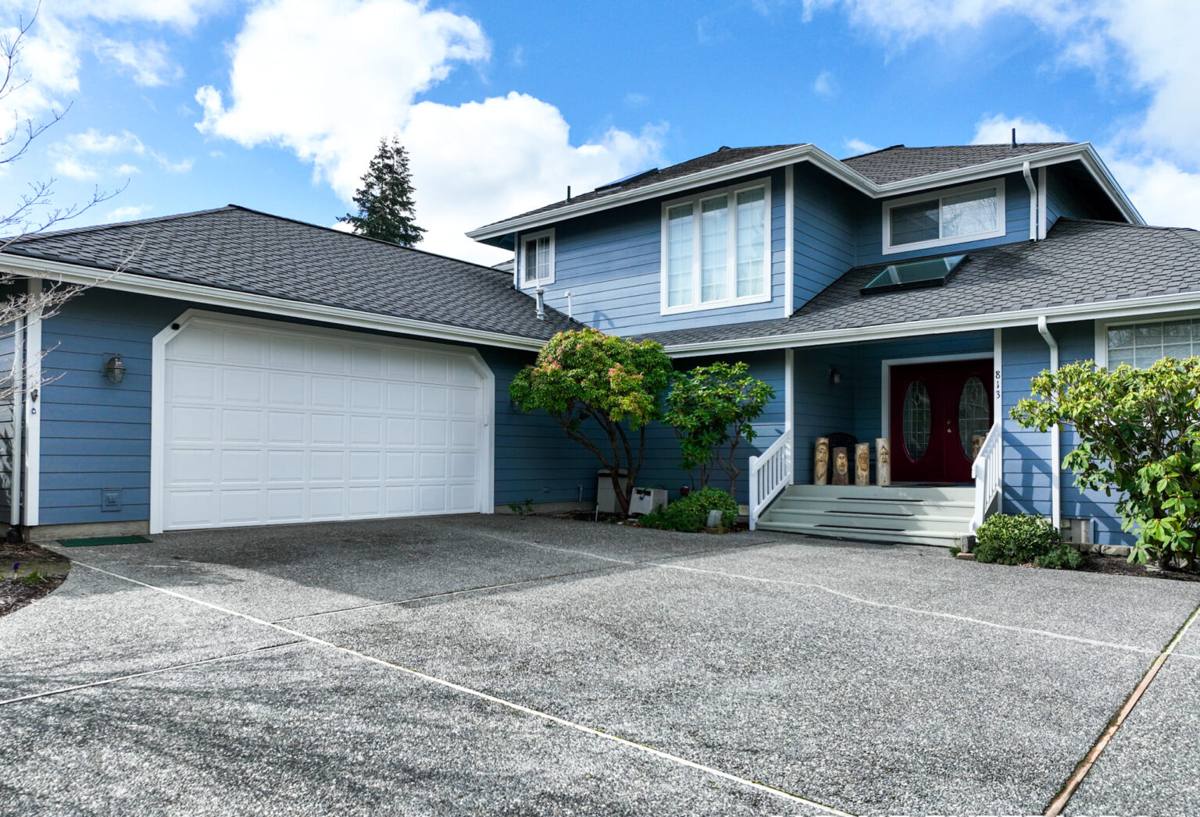
 New-Construction Windows in Happy Valley
Happy Valley is one of Bellingham's older, tree-shaded residential neighborhoods, and that combination of mature landscaping, proximity to Bellingham Bay, and a genuinely wet climate means windows here take more abuse than the sales brochure numbers suggest. When you're framing an addition, building new, or taking a wall down to the studs for a full replacement, you have a real choice to make about how those window openings get built — not just which window brand goes in them. That choice is what separates a window that performs for twenty-five years from one that starts leaking, fogging, or rotting out its trim inside of five.
This page is about new-construction windows specifically — the type with a nailing flange that gets integrated into the wall assembly during framing, as opposed to a replacement or "insert" window that drops into an existing frame. If you're building, adding on, or gutting a wall in Happy Valley, this is almost always the right category of window, and getting the installation detail right matters more here than in a lot of other climates.
Why New-Construction Windows Are the Right Call for This Kind of Project
A new-construction window has a flange around the perimeter of the frame that fastens directly to the wall sheathing, underneath the water-resistive barrier (WRB) and siding. That flange is what lets an installer build a proper, layered flashing system around the opening — sill pan, jamb flashing, head flashing, all lapped correctly with the house wrap so water sheds outward and downward no matter what.
A replacement or insert window, by contrast, is designed to go into an opening that already has finished siding and trim around it, without disturbing that exterior finish. It's the right tool when you're swapping out an old window in a wall you don't want to open up. It is not the right tool for new framing, additions, or a full tear-down-to-studs remodel — because it can't be flashed into the wall assembly the same way, and it depends on sealant and existing conditions holding up rather than a mechanically layered water path.
For Happy Valley specifically, where driving rain off the Sound and long stretches of shade and moisture are part of the deal, that layered flashing system isn't optional extra credit. It's the difference between a window opening that sheds water for the life of the house and one that slowly saturates the wall behind the trim.
When You'd Use Each Type
- New-construction windows: new builds, additions, garage/shop conversions, or any remodel where the wall is opened to the studs and siding is coming off anyway.
- Replacement/insert windows: swapping an aging window in an otherwise sound wall where the exterior siding and trim stay in place.
- Gray area: if the existing sill or framing shows rot or past water intrusion, we'll often recommend going to new-construction methods even on a "replacement" job, because patching flashing over a compromised opening just delays the next repair.
What Bellingham's Climate Actually Does to a Window Opening
Whatcom County doesn't get the heaviest rainfall totals in the state, but it gets a lot of low-intensity, wind-driven rain over a long season, plus salt-laden air off Bellingham Bay and the Strait. Add Happy Valley's tree cover, which keeps siding, trim, and window sills shaded and slow to dry, and you get three specific stresses that a correct install has to answer for:
Driving Rain and Wind-Loaded Water
Wind off the water pushes rain sideways and upward into gaps that would never leak in a still, dry climate. Sill pans, back-dammed sill flashing, and correctly lapped head flashing aren't decorative — they're what stops wind-driven water from tracking backward under the window and into the wall cavity.
Salt Air and Hardware Corrosion
Coastal air accelerates corrosion on lower-grade fasteners, hinges, and cranks. Stainless or coated fasteners and hardware rated for coastal exposure cost a little more up front and save you stuck locks and streaking corrosion stains on the siding a few years down the road.
Moss, Shade, and Slow-Drying Surfaces
Happy Valley's tree canopy is part of its character, but shaded, damp surfaces are exactly where moss and algae take hold — on roofs, on north-facing trim, and on sills that don't get enough sun or airflow to dry between rain events. A window sill that stays wet longer is a sill that's more likely to see wood rot or coating failure at the finish line, which is one more reason the flashing and drainage details at the opening matter as much as the window unit itself.
Anatomy of a Correct Install
The window product itself is maybe a third of what determines how it performs long-term. The other two-thirds is installation sequence, and it's worth understanding what should actually happen at your house.
| Step | What It Does |
|---|---|
| Rough opening prep | Framing checked for square and level; sheathing inspected for damage before anything goes in |
| Sill pan flashing | Creates a sloped, back-dammed pan so any water that gets past the window drains back out, not into the wall |
| WRB integration | House wrap is cut and lapped in the correct shingle-style order so water always drains over, not under, the next layer |
| Window setting | Unit shimmed level, plumb, and square in the opening — not just screwed in wherever it fits |
| Flange fastening | Nailing flange fastened per the manufacturer's pattern, which matters for both weather-tightness and warranty validity |
| Head flashing | Installed last, over the top flange, so it laps correctly over the WRB below it |
| Interior air seal | Low-expansion foam or backer rod and sealant around the interior perimeter to control air leakage and condensation |
Skip or rush any one of those steps and the window itself becomes almost irrelevant — a premium unit installed with a shortcut flashing sequence will leak sooner than a mid-grade unit installed correctly.
Choosing Frame Material for a Marine Climate
We don't push one brand or one material for every job — the right choice depends on your budget, the home's style, and how exposed the openings are to weather. Here's the honest tradeoff picture for this climate:
| Frame Type | Moisture & Salt-Air Behavior | Maintenance |
|---|---|---|
| Vinyl | Doesn't rot or corrode; performs well in wet, coastal air at a moderate price point | Low — occasional cleaning, no repainting |
| Fiberglass | Very stable dimensionally, holds paint well, strong resistance to moisture and temperature swings | Low to moderate — can be repainted if desired |
| Wood-clad | Attractive interior wood look, but the exterior cladding and any exposed wood joints need to be detailed carefully to keep moisture out long-term | Higher — exterior finish and seals need periodic attention |
| Bare wood | Requires the most diligent maintenance in a wet, shaded, salt-air setting; we'll flag this as a maintenance commitment, not steer you away from it outright | Highest |
Whatever material you choose, we spec corrosion-resistant hardware and fasteners as standard on Happy Valley jobs — it's cheap insurance against the salt air.
How We Approach a Happy Valley Job
1. Site Visit and Assessment
We look at sun exposure, tree cover, drainage around the foundation, and the condition of existing framing or siding if this is a remodel. That tells us how aggressive the flashing detail needs to be and whether there's any existing moisture damage to address before new windows go in.
2. Product Selection
We walk through frame material, glass package, and hardware options based on your budget and how exposed each opening is — a shaded north wall gets treated differently than a sheltered, sun-exposed wall.
3. Install
Openings are prepped, flashed, and set following the sequence above, with fastening patterns that match manufacturer specs so the product warranty stays intact. We coordinate with siding and trim work so the whole assembly — not just the window — sheds water correctly.
4. Walkthrough
We check operation, seal quality, and finish on every opening with you before calling the job done, and explain anything you should keep an eye on going forward, particularly around drainage and shaded areas prone to moss.
What Drives Cost
We don't quote sight-unseen prices online because openings, access, and scope vary too much to be honest about a number without seeing the site. What we can tell you is what actually moves the bid:
| Factor | Cost Impact |
|---|---|
| Number and size of openings | Higher — more openings and larger glass units mean more material and labor |
| Frame material chosen | Moderate to higher — vinyl is typically the most economical, wood-clad the most involved |
| Site access | Moderate — tree cover, tight side yards, or second-story openings add labor time |
| Siding/trim tie-in | Moderate — new-construction installs mean fresh trim and flashing work, not just the window |
| Structural changes to openings | Higher — enlarging or relocating an opening requires header and framing work |
What to Check Before You Sign With Anyone
- Do they ask about sun exposure, shade, and drainage at each opening, or just quote off a window count?
- Will they show you the specific flashing sequence they use — sill pan, WRB lap order, head flashing?
- Are they using corrosion-resistant hardware and fasteners as standard, not an upsell?
- Do they coordinate window install with siding/trim work so the whole wall assembly is watertight, not just the window unit?
- Are they licensed and insured to work in Whatcom County, and can they speak to City of Bellingham permitting when it applies?
Why Local Experience in Happy Valley Matters
A crew that's worked this neighborhood knows which walls sit in near-constant shade, which lots have drainage quirks from the terrain, and how much moss buildup to expect on north-facing surfaces by the second or third year. That's not something you learn from a spec sheet — it's from having done the flashing detail on enough Bellingham homes to know where water actually wants to go. We'd rather build in the extra step now than have you calling us back about a soft sill in five years.
If you're planning new construction, an addition, or a full window replacement in Happy Valley, we're happy to walk the site with you and talk through what your openings actually need. Reach out for a free, no-pressure estimate using the form below.