 Bellingham Exterior
 Windows Built for Happy Valley's Weather, Not a Showroom
Happy Valley sits close enough to Bellingham Bay that salt-tinged air, wind-driven rain, and long stretches of gray, damp weather are just part of owning a home here. Windows in this part of Whatcom County do more work than windows in drier climates. They're expected to keep moisture out during weeks of steady rain, resist the slow corrosion that comes with salt air, and still hold their seal through freeze-thaw cycles in winter. A window that's rated fine on paper can still underperform once it's actually installed on a home a few blocks from the water.
We install and replace windows for homeowners throughout the Happy Valley area, and the approach we take here is shaped by what actually fails on homes in this neighborhood — not by a generic install checklist. That means paying close attention to flashing, drainage, and product selection before we ever talk about glass packages or trim color.
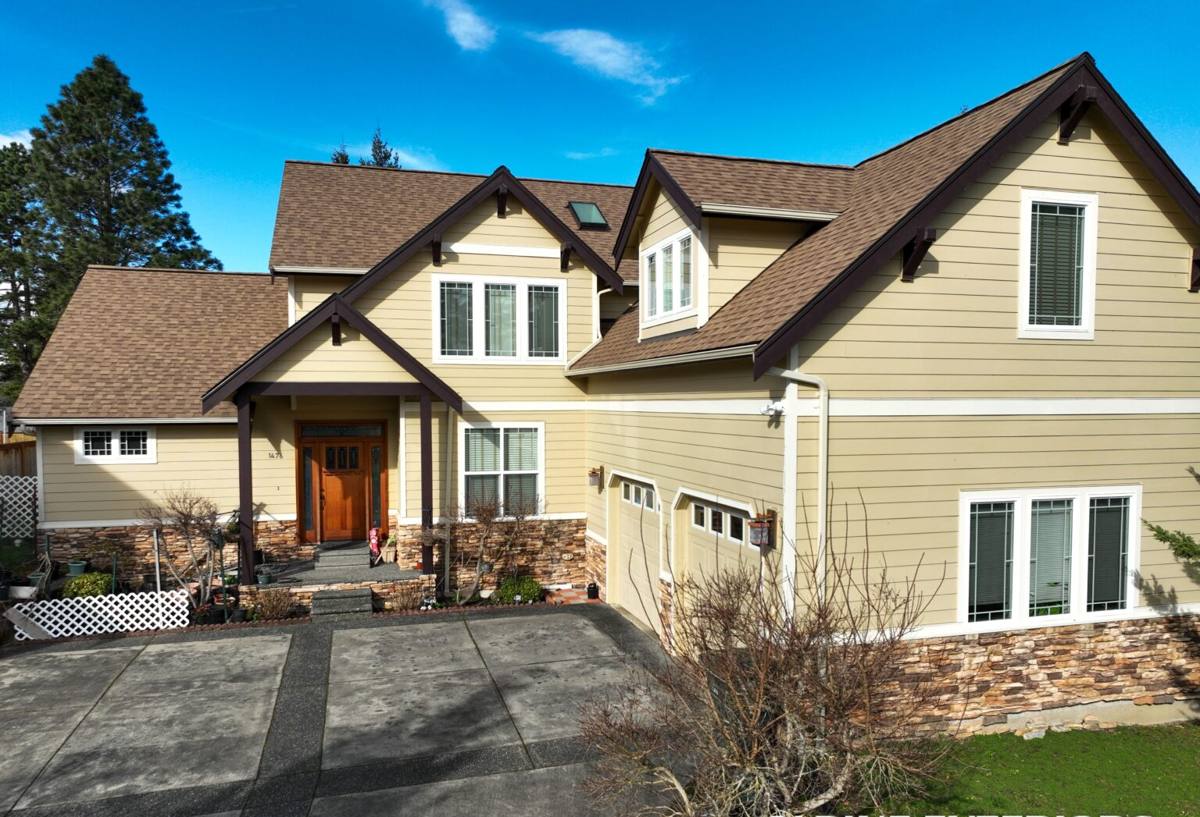
What Bellingham's Climate Actually Does to Windows
Driving Rain and Wind-Driven Moisture
Bellingham gets a lot of rain, but it's the wind-driven rain off the bay that causes the real damage. Water doesn't just fall straight down here — it gets pushed sideways into wall assemblies and window openings, especially on west- and south-facing walls. A window that's caulked shut but not properly flashed will eventually let water behind the siding, where it can sit unnoticed for months.
Salt Air and Slow Corrosion
Homes closer to the water deal with airborne salt that settles on window hardware, screens, and metal cladding over time. It's not dramatic — it's slow. Cheaper hardware and unprotected fasteners corrode faster in this environment, which is why hardware quality and finish matter more here than they would inland.
Moss Season and Trapped Moisture
Whatcom County's long moss season isn't just a roof problem. Moss and organic buildup on sills, trim, and the tops of window frames hold moisture against the building longer than clean surfaces do. Wood trim and sills that aren't detailed to shed water and dry out become a slow rot risk, particularly on north-facing sides of the house that don't get much sun to dry things out.
Condensation From Temperature Swings
Bellingham's marine climate means cool, damp air outside and warm, humid air inside during heating season. Older or poorly sealed windows show this as condensation on the glass or, worse, inside the wall cavity where it can't be seen. Proper glazing and correct installation reduce this, but they don't eliminate it if the rest of the house isn't ventilated well.
What a Correct Window Installation Actually Involves
The window unit itself is only part of the job. Most window failures we get called out to inspect trace back to installation details, not the window product. A correct install for a Happy Valley home includes:
- Removing the old window and inspecting the rough opening for existing water damage or rot before anything new goes in
- Correcting any damaged framing or sheathing found during removal, rather than installing over it
- Installing sill pan flashing so any water that does get past the window has somewhere to drain, instead of pooling on the sill
- Integrating window flashing with the home's existing weather-resistive barrier in the correct shingle-lap order, so water sheds outward and downward
- Using backer rod and the right exterior sealant at joints, not just a bead of caulk over gaps
- Shimming and fastening the unit so it's square and doesn't bind, which affects both the seal and the long-term function of the hardware
- Insulating the gap between the window frame and rough opening properly, without overpacking it, which can bow the frame
- Finishing exterior trim and any wood details so they shed water rather than hold it
Skip the flashing step or get the lap order wrong, and it usually doesn't show up as a problem right away. It shows up two or three rainy seasons later, as a stain on the interior sill or soft trim on the exterior — right when it's harder to trace back to the install.
Choosing Windows That Hold Up Here
There isn't one "correct" window brand or material for every Happy Valley home — the right choice depends on the home's age, exposure, and budget. But a few practical trade-offs matter more in this climate than in a drier one.
| Frame Material | How It Handles This Climate | Maintenance Consideration |
|---|---|---|
| Vinyl | Good moisture and salt-air resistance, consistent performance with minimal upkeep | Low maintenance; color and trim options are more limited than wood or fiberglass |
| Fiberglass | Very stable in temperature swings and holds paint or finish well over time | Higher upfront cost, but handles the wet-dry cycle here better than most wood |
| Wood (clad exterior) | Warmer look, but exterior cladding needs to be intact to keep moisture out of the wood core | Requires more attentive caulking and finish upkeep near the coast |
| Aluminum | Durable but conducts cold and can condensate more without a thermal break | Best reserved for specific architectural needs, not general replacement |
Whatever frame material a homeowner chooses, we pay close attention to hardware quality and finish, since that's what takes the brunt of salt air exposure over the years. We also favor glazing packages suited to the Pacific Northwest — good U-factor for heat retention through our long heating season, without over-focusing on solar heat gain numbers that matter more in sunnier climates.
Signs Happy Valley Homeowners Should Watch For
Because window failures here tend to be slow and moisture-related rather than sudden, it helps to know what to check for before a small issue becomes a bigger repair.
- Soft or discolored wood trim around the window frame, especially on north- or west-facing walls
- Persistent condensation between the glass panes, which usually means a failed seal on a dual-pane unit
- Drafts you can feel near the frame even when the window is fully latched
- Difficulty opening, closing, or locking a window that used to operate smoothly — often a sign of a frame that's swelled or shifted
- Visible moss or dark staining building up on the sill or the top of the window casing
- Peeling or bubbling paint on interior trim near the window, which usually points to moisture getting in from outside
None of these are emergencies on their own, but they're worth having looked at before the next wet season, since moisture problems in this climate compound quickly once they start.
Our Process for Happy Valley Window Projects
1. On-Site Assessment
We look at the existing windows, the condition of the surrounding trim and siding, and the home's exposure to wind and rain before recommending anything. A home tucked behind trees has different needs than one with an open, unobstructed view toward the bay.
2. Product Recommendation
We walk through frame material, glazing, and hardware options suited to the home's exposure and the homeowner's budget, being upfront about trade-offs rather than pushing a single product line.
3. Careful Removal and Opening Inspection
Old windows come out carefully so we can actually see the condition of the rough opening. This is where hidden rot or past water intrusion gets found and addressed, rather than covered up.
4. Correct Flashing and Installation
Sill pans, flashing integration, insulation, and fastening are done to hold up specifically against wind-driven rain and moisture cycling, not just to pass a quick visual check.
5. Exterior Finish and Cleanup
Trim is finished to shed water, hardware is checked for smooth operation, and the site is cleaned up before we consider the job done.
Why Local Experience Matters for This Job
A crew that mostly works inland or in drier regions can install a technically sound window and still miss the details that matter on a home exposed to Bellingham Bay weather. Knowing which walls in this neighborhood take the worst of the wind-driven rain, how fast moss builds up on north-facing trim, and which hardware finishes actually hold up against salt air isn't something you get from a manufacturer's install manual — it comes from working on homes in this specific area, season after season.
We've built our process around what actually happens to windows in Whatcom County's marine climate, not around a generic national install standard. That shows up in the small decisions — how flashing is lapped, how much of a gap is left for drainage, which caulk is rated for this kind of sustained moisture exposure — that determine whether a window is still performing well in ten years or already showing problems in three.
Get a Straightforward Estimate
If your Happy Valley home has windows that are drafty, foggy between the panes, hard to operate, or just old enough that you're wondering if it's time, we're happy to take a look and give you an honest read on what's going on. There's no pressure and no sales pitch — just a straight assessment and a clear estimate. Use the form below to request your free estimate.