 Bellingham Exterior
 Edgemoor's Climate Is Hard on Windows
Edgemoor sits close to Bellingham Bay, with many homes tucked into wooded, view-oriented lots along the bluffs south of downtown. That combination — salt-tinged marine air, wind-driven rain coming straight off the water, and heavy tree cover that keeps siding and trim damp for days after a storm — is a tough environment for windows. Whatcom County doesn't get extreme heat or cold, but it gets months of steady, low-grade moisture exposure, and that's exactly what wears out weak seals, tired caulk, and old aluminum frames faster than a drier climate would.
Add in the long moss season that runs from fall through spring, and you've got a recipe for windows that stay wet longer than they should. Moisture that lingers around a window opening finds every gap in old flashing or failed sealant, and once it's inside the wall cavity, it doesn't leave on its own. Energy-efficient windows aren't just about lower utility bills here — they're about keeping water out of a house that's shaded, damp, and salt-exposed for a big chunk of the year.
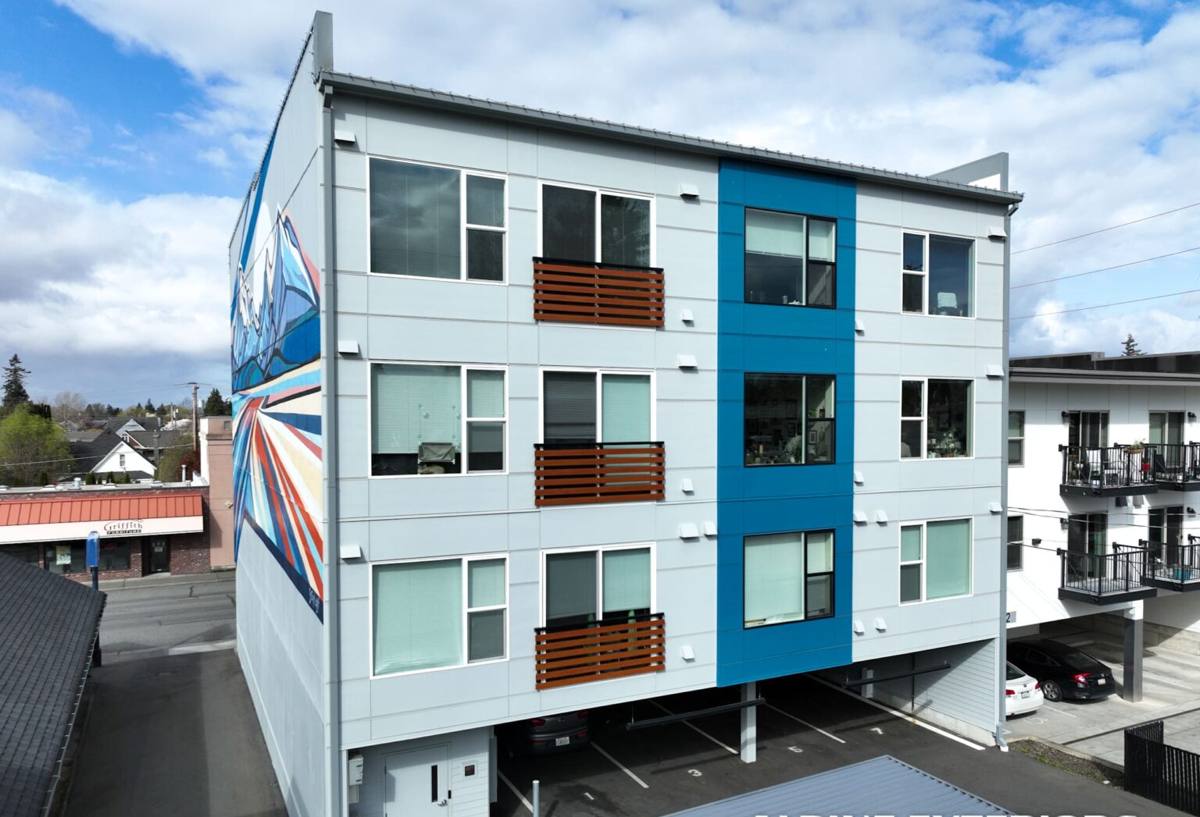
What "Energy-Efficient" Actually Means for a Whatcom County Home
Energy efficiency in a window comes down to a handful of measurable ratings, all listed on the NFRC label that should be on every window you're quoted. For our climate zone, three numbers matter most:
- U-factor — how much heat escapes through the window. Lower is better; this is the main driver of your heating bill in a marine climate where the furnace runs more days than not.
- Solar Heat Gain Coefficient (SHGC) — how much sun-driven heat passes through the glass. In a shaded, tree-covered neighborhood like Edgemoor, this matters less for cooling than it does in sunnier parts of the state, but it still affects how a south- or west-facing room feels.
- Condensation Resistance — how well the window resists interior fogging when it's cold and damp outside. This one gets overlooked, but in a climate with our humidity, it's often the rating that determines whether you get moisture streaking down your glass and sills every winter morning.
| Rating | What It Controls | Why It Matters in Bellingham |
|---|---|---|
| U-factor | Heat loss through the unit | Drives heating costs through our long wet season |
| SHGC | Solar heat passing through glass | Keeps shaded rooms from feeling cold and drafty |
| Condensation Resistance | Interior fogging/moisture | Reduces sill rot and mildew in damp months |
| Air Leakage | Draft infiltration | Matters most on wind-exposed, water-facing walls |
A window that's rated well on paper but installed poorly will still leak air and let moisture in. The rating tells you what the window is capable of — the installation determines whether it actually performs that way.
Signs an Edgemoor Home Needs New Windows
Because a lot of the housing stock in this part of Bellingham spans several decades, we see a wide range of window conditions on the same street. Common signs it's time to look at replacement rather than another repair:
Visible Failure
Fogging or a permanent haze between the panes means the seal on a dual-pane unit has failed and the gas fill (or just the sealed air gap) is gone. Once that happens, the insulating value of that window has dropped significantly and it won't come back with cleaning or resealing.
Wood and Frame Damage
Soft, spongy, or dark-stained wood at the sill or lower corners is a sign that water has been getting behind the trim, which is common on older wood-frame windows that haven't been recaulked in years. Aluminum-frame windows from earlier building eras tend to run cold to the touch and sweat heavily in winter, which speeds up this kind of rot in the surrounding wood.
Operational Issues
Windows that are painted shut, hard to lift, or don't latch tightly anymore aren't just an inconvenience — a window that doesn't close fully isn't sealing against wind-driven rain, which is a real factor on exposed, water-facing walls in this neighborhood.
Frame and Glass Options That Hold Up on the Coast
We don't push one brand or material for every home — the right choice depends on the home's exposure, its architecture, and the owner's maintenance appetite. Here's how the common options compare for a coastal, tree-shaded property:
| Frame Material | Strengths | Trade-offs |
|---|---|---|
| Vinyl | Low maintenance, good insulating value, resists salt corrosion, wide price range | Less rigid over very large openings; color/style options are more limited than wood |
| Fiberglass | Very stable in temperature swings, strong, holds paint well, long service life | Higher upfront cost than vinyl |
| Wood-clad | Traditional look, good for period or high-end homes | Exterior cladding still needs inspection; any exposed wood needs upkeep in a wet climate |
| Bare aluminum | Slim sightlines | Poor insulator, prone to condensation and cold-frame sweating — we generally don't recommend it for replacement work here |
For glass, dual-pane with a low-E coating and argon fill is the standard performance level for this region, and it's usually the right balance of cost and performance. Triple-pane is available and does perform better on paper, but the added weight and cost only pay off in homes with unusually high heating bills or very exposed, wind-driven walls — we'll tell you honestly if we don't think it's worth the upcharge for your specific house.
What a Correct Installation Involves
The window unit itself is maybe half the equation. The other half is what happens in the rough opening before and after it goes in, and this is where a lot of problems start — not because a bad window was used, but because the install skipped steps that matter in a wet climate.
- Remove the old unit carefully and inspect the sheathing and framing underneath for hidden rot before anything new goes in
- Repair or replace any damaged framing — never install a new window over rotten wood
- Apply self-adhered flashing membrane at the sill and jambs, lapped correctly so water sheds outward, not into the wall
- Set the new window level, plumb, and square, then shim and fasten per the manufacturer's specs
- Insulate the gap between the frame and rough opening with a low-expansion foam — not stuffed fiberglass, which doesn't seal air movement
- Seal the exterior with a proper backer rod and compatible sealant, not just a bead of caulk over the trim
- Install or reuse drip caps and head flashing so water is directed away from the top of the opening
- Finish interior and exterior trim, then clean up and haul away the old units and debris
Skip the flashing step, or use the wrong sealant against the wrong frame material, and even a great window will eventually let water into the wall — especially on the sides of a house that catch the brunt of wind-driven rain off the bay.
Our Process, Start to Finish
We keep the process straightforward. A free on-site visit lets us look at your existing windows, check for hidden moisture or framing issues, and talk through which frame and glass combination makes sense for your home's exposure and budget — no pressure, no upsell script. From there we provide a written estimate with real numbers, not a vague range.
Once you approve the work, windows are custom-ordered to your exact openings, which typically takes a few weeks depending on the manufacturer and product line. Installation itself is usually a one- to few-day job depending on how many openings are involved, and we work room by room to keep the house weather-tight the whole time rather than opening up every wall at once. We walk the finished job with you before we consider it done.
Why a Crew That Already Works Edgemoor Matters
Edgemoor's terrain isn't flat, easy-access tract housing — many lots are wooded, sloped, or set back with limited staging space, and homes range from older construction to newer custom builds. A crew that's worked the neighborhood before knows how to plan access and material staging without tearing up landscaping, understands the kind of wood and frame condition typical of homes built in different eras around Bellingham, and isn't guessing at how the local salt air and moss cycle will treat different frame materials over time. That local familiarity also means fewer surprises mid-job — we've generally already seen the kind of framing, siding, and trim details this part of Bellingham tends to have.
Keeping New Windows Performing for the Long Haul
New windows are a long-term investment, and a little seasonal attention keeps them performing the way they're rated to for decades rather than years:
Simple Maintenance That Pays Off Here
Rinse salt residue and grime off exterior glass and frames a couple times a year, especially on walls that face the water directly. Check exterior caulking annually — a hairline gap that seems minor in summer becomes an entry point once the fall rains start. Keep weep holes clear on any window design that has them, since blocked weep holes trap water inside the frame. And where trees or shrubs shade a window heavily, trimming them back a bit improves airflow and cuts down on the moss and mildew buildup that's common on shaded, north-facing walls in this part of Whatcom County.
If your Edgemoor home has windows that fog, stick, feel drafty, or just haven't been looked at in a long time, we're happy to come take a look. The estimate is free, there's no pressure, and you'll get a straight answer about what your home actually needs — you can request one using the form below.