 Bellingham Exterior
 Building a Deck That Actually Belongs in York
York is a quiet, established part of Bellingham, and a lot of the homes here have been standing long enough to have gone through a deck or two already. If you're looking at a tired, soft, or moss-black deck right now, you're not imagining things — decks in this part of Whatcom County take a harder beating than a lot of homeowners expect, and the ones that were built without that in mind tend to fail early. A deck built for York needs to handle salt-tinged air rolling in off Bellingham Bay, long stretches of driving rain, and a moss season that can run most of the year if the wood underneath isn't set up to shed water and dry out between storms.
This page is specifically about deck building for York — new decks, replacement decks, and full rebuilds — not a general overview of every service we offer. If you already know your deck needs help, or you're planning a new one and want it done right the first time, this is the detail that matters for your specific location.
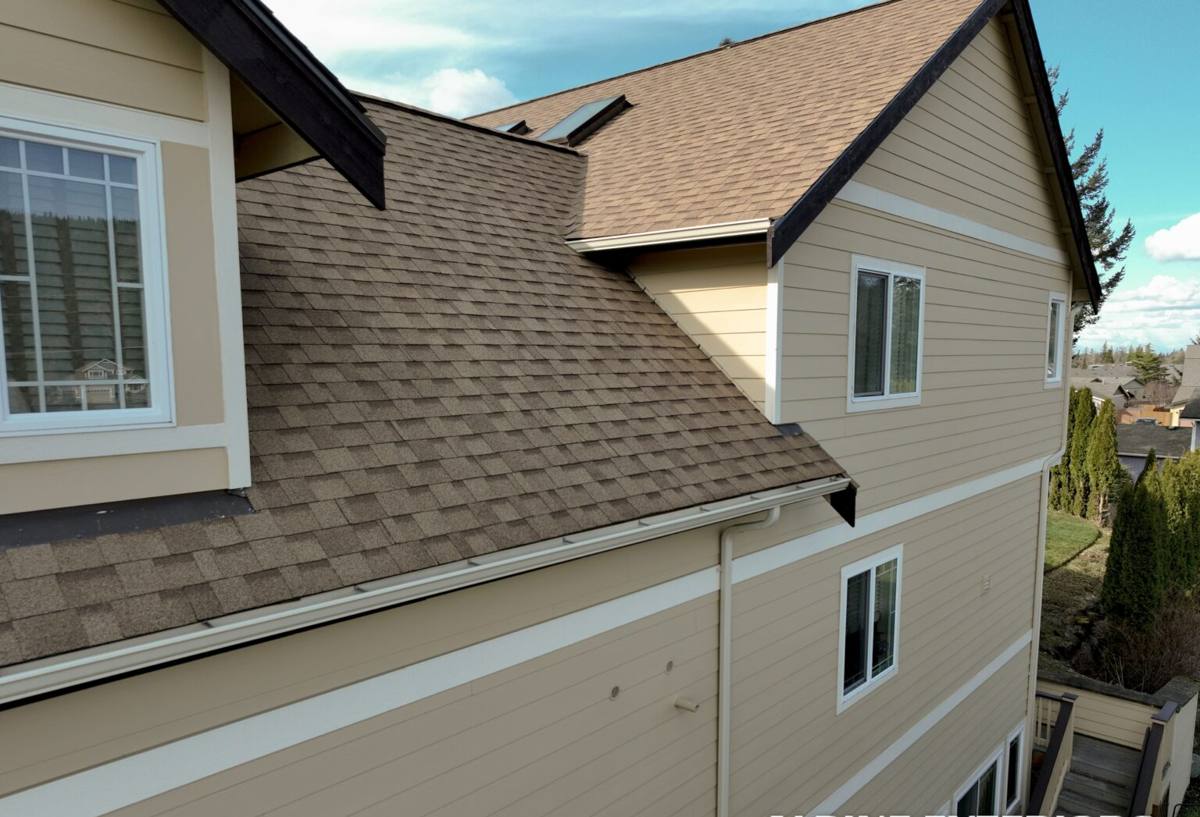
What the Local Climate Actually Does to a Deck
Bellingham's marine climate is mild compared to a lot of the country, but "mild" doesn't mean gentle on lumber, fasteners, and footings. A few things stack up against a deck here in ways that don't show up in a manufacturer's brochure or a generic install guide:
- Salt air: Proximity to the bay means airborne salt finds its way into exposed metal — hardware, fasteners, brackets, and railing connectors corrode faster here than they would further inland.
- Driving rain: Wind-driven rain doesn't just fall straight down; it gets pushed sideways under railings, into ledger connections, and behind fascia boards where standard flashing details often fall short.
- Moss and algae: Shaded decking, especially under mature trees common to older York lots, stays damp longer and grows moss that holds moisture against the board surface — accelerating rot in untreated or poorly ventilated wood.
- Freeze-thaw cycling: Whatcom County doesn't get the deep freezes some regions do, but repeated light freezes and thaws still work water into small cracks in footings, fasteners, and finish coatings over time.
None of this means a deck can't last decades in York — it means the build has to account for these conditions from the footings up, not just at the surface.
Where Deck Failures Actually Start
Ledger Board Connections
The ledger board — where the deck attaches to the house — is the single most common point of hidden rot we find on older decks in this area. If it wasn't flashed correctly when the deck was built, driving rain finds its way behind the ledger and into the house rim joist. This is a structural safety issue, not a cosmetic one, and it's invisible until the deck is already failing.
Footings and Post Bases
Undersized or shallow footings, or post bases that sit directly in standing water instead of being lifted and drained properly, are a recurring problem on older York decks. Combined with our wet fall and winter months, ground-level wood contact is one of the fastest ways to shorten a deck's life.
Fastener Corrosion
Standard or mismatched fasteners in a salt-air environment corrode faster than the wood around them, which can leave boards looking fine on top while the screws holding them down are failing underneath.
Trapped Moisture Under Decking
Boards installed tight with no airflow underneath, or decking run directly over solid surfaces without a drainage gap, trap moisture and encourage the moss and algae growth that's so common on shaded York lots.
What a Correctly Built Deck Involves
A deck that's going to hold up here needs the right decisions made at every stage, not just a good-looking surface material. Here's what we build into every project:
- Properly flashed ledger connections with a code-compliant water-resistive barrier detail, not just caulk over lag bolts.
- Footings sized and set to Whatcom County frost and load requirements, with post bases that keep wood lifted clear of standing water.
- Corrosion-resistant, coated or stainless fasteners and structural hardware rated for the exposure this area sees.
- Framing spaced and gapped to allow airflow and drainage under the decking, reducing the conditions moss needs to take hold.
- Railing and stair connections built to current code, since these are the components most often cited in inspections and the most dangerous when they fail.
Choosing the Right Decking Material for This Area
There's no single "best" decking material — the right choice depends on how much upkeep you want to do, your budget, and how shaded or exposed your specific lot is. Here's how the common options stack up for a York, Bellingham property:
| Material | Upfront Cost | Maintenance | How It Handles Our Climate |
|---|---|---|---|
| Pressure-treated wood | Lowest | Annual cleaning and re-staining/sealing | Performs well if sealed and refinished on schedule; neglect shows fast in a wet, mossy climate |
| Cedar | Moderate | Regular sealing to maintain color and resist moisture | Naturally rot-resistant but still needs upkeep against moss and gray-out in shaded areas |
| Composite decking | Higher | Occasional washing, no staining/sealing | Resists rot and doesn't need refinishing, though it can still grow surface algae in constant shade and needs periodic cleaning |
| PVC/capped composite | Highest | Lowest — mostly washing | Best moisture resistance of the group; a strong fit for heavily shaded or damp lots common in York |
We'll walk through these trade-offs against your actual lot — how much sun and shade it gets, what's nearby, and what you're willing to maintain — rather than pushing one product as a default.
Our Process for a York Deck Project
- On-site assessment: We look at your existing deck (or the build site), grade and drainage around the area, sun/shade exposure, and how the deck will tie into your house.
- Design and material selection: We go over layout, railing style, and decking material options with honest trade-offs for your specific lot and budget.
- Permitting: Most deck work in Bellingham requires a permit, especially for elevated structures or anything attached to the house. We handle the paperwork and inspections as part of the job.
- Demo (if replacing): Careful removal of the old structure, checking the ledger area and rim joist for hidden rot before anything new goes up.
- Framing and footings: Built to span and load requirements, with attention to the ledger flashing and post base drainage details covered above.
- Decking, railing, and stairs: Installed with correct fastener spacing, airflow gaps, and code-compliant railing height and baluster spacing.
- Final walkthrough: We go over care and maintenance specific to whatever material you chose, so you know what upkeep actually looks like going into the wet season.
Permits and Code in Bellingham
Deck permitting in Bellingham depends on the deck's height, size, and whether it's attached to the house, but most new decks and full rebuilds need a permit and inspection. This isn't a step worth skipping — an unpermitted deck can complicate a home sale later, and inspections exist specifically to catch the ledger, footing, and railing issues that cause real injuries. We build to pass inspection the first time and handle the permit process as part of the project, not as an add-on you have to chase down yourself.
Keeping a York Deck in Good Shape Year-Round
Whatever material you choose, a little seasonal attention goes a long way in this climate. A simple maintenance checklist for York homeowners:
- Sweep debris and standing leaves off the deck surface regularly, especially in fall — trapped organic matter holds moisture and feeds moss growth.
- Check for moss or algae on shaded boards and clean it off before it gets a foothold, rather than after it's established.
- Inspect railing posts and stair stringers for movement or soft wood once a year, particularly after a hard winter.
- Re-seal or re-stain wood decking on the schedule recommended for your specific product — don't wait until it's visibly gray or cracking.
- Keep gutters and downspouts near the deck clear so runoff isn't dumping extra water directly onto or under the structure.
- Have the ledger board and under-deck area checked periodically, since this is the area most prone to hidden damage.
Why It Matters That We Already Work in York
A crew that's worked on decks throughout York and the rest of Bellingham already knows how the local grade, drainage patterns, and tree cover on these lots tend to behave — which shaded corners hold moisture longest, how prevailing wind drives rain into railings, and what the city's inspectors look for on a deck permit. That familiarity means fewer surprises once we start digging footings or opening up an old ledger connection, and it means the decisions we make on material and detailing are grounded in what actually holds up here, not a generic install guide written for a drier climate.
We treat every deck as a structure first and a living space second — it has to hold weight safely through a Whatcom County winter before it needs to look good for a summer barbecue. Getting both right is the whole job.
If your York deck is showing its age, or you're ready to plan a new one, we're happy to take a look and give you a straightforward, no-pressure estimate — just fill out the form below to get started.