 Bellingham Exterior
 Roof Repair Built for Cordata's Climate, Not a Generic Checklist
Cordata sits inland from Bellingham Bay, but that doesn't mean the roofs here get an easy ride. Whatcom County's marine air still carries enough salt to accelerate corrosion on exposed fasteners and flashing, the driving rain off winter storms finds every weak seam, and the tree cover common on Cordata lots — second-growth fir and cedar mixed in with newer subdivisions — keeps roofs shaded and damp longer than homes out in open country. That combination is exactly what shortens the life of a roof repair done without local knowledge. A patch that would hold up fine in a dry climate can fail here in a single wet season if it wasn't installed with Bellingham's weather in mind.
This page is about one thing: roof repair, done right, for homes in the Cordata area. Not a full tear-off, not a sales pitch for replacement you don't need — a straight look at what actually goes wrong with roofs in this part of Bellingham, what a correct repair involves, and why it matters to hire a crew that already knows this neighborhood's housing stock and weather pattern.
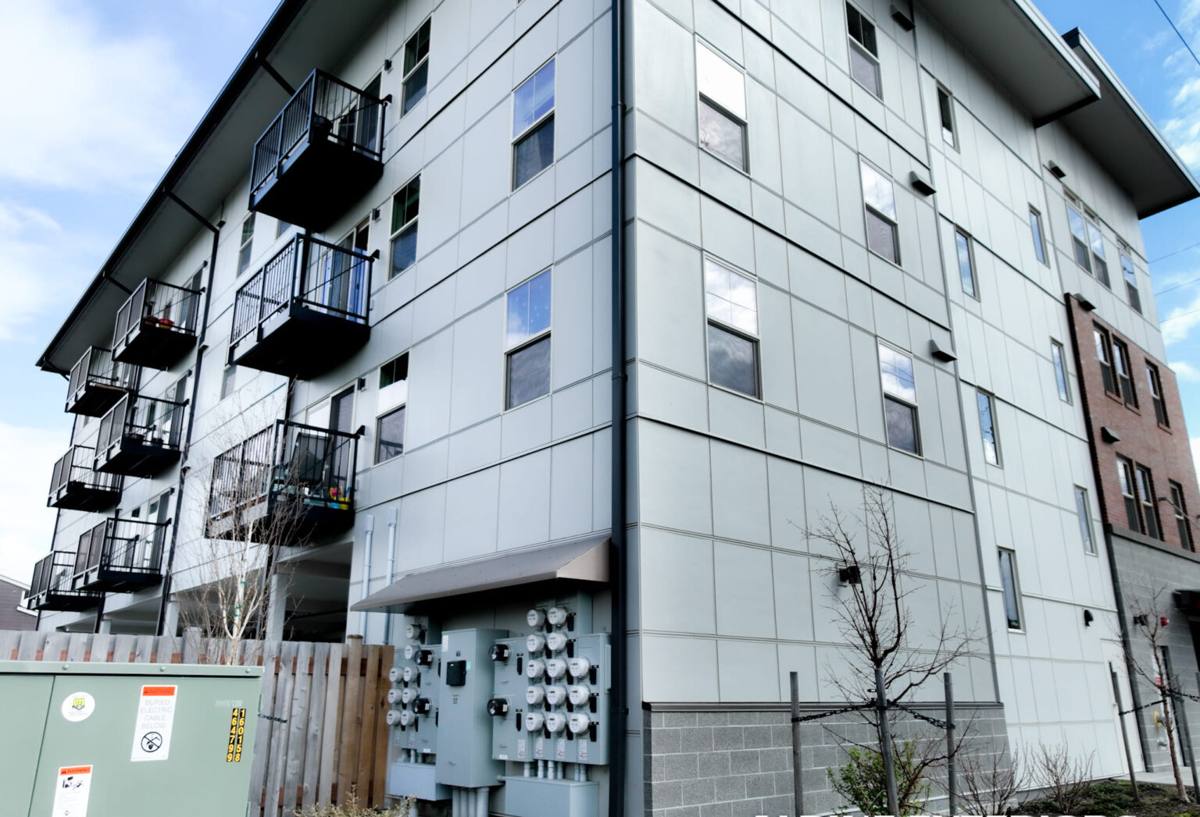
What Bellingham's Climate Does to a Roof Over Time
Three things drive most of the repair calls we get from this part of Whatcom County:
Moss and organic growth
Bellingham's long wet season and moderate temperatures are close to ideal moss-growing conditions, especially on north-facing slopes and any roof section shaded by mature trees. Moss doesn't just look bad — it holds moisture against the roofing material, lifts shingle edges as it grows, and works its way under flashing over time. Left unaddressed for a few seasons, moss growth turns a simple maintenance issue into an actual repair.
Driving rain and wind-driven water
Storms coming off the Strait and Puget Sound don't always drop rain straight down. Wind-driven rain gets pushed sideways under shingle tabs, into open valleys, and around anything that penetrates the roof deck — vents, chimneys, skylights. Most of the leaks we trace back aren't from a shingle failure in the open field of the roof; they're from a flashing detail that wasn't built to handle rain coming in at an angle.
Salt-tinged marine air
Cordata is set back from the water, so the exposure here is lighter than waterfront neighborhoods, but the greater Bellingham area still sits in a marine air corridor. Over years, that air accelerates rust on exposed nails, pipe boots, and lower-grade flashing — which is why we pay attention to fastener and flashing quality on every repair, not just the shingles themselves.
Signs a Cordata Roof Needs Repair
Most roof problems don't announce themselves as a dramatic leak. They show up as small signals first. Homeowners who catch these early usually end up with a modest repair instead of interior damage and a bigger bill.
- Dark streaking or visible moss/algae patches, especially on shaded or north-facing slopes
- Granules collecting in gutters or at downspout outlets (a sign shingles are wearing thin)
- Curling, cracked, or lifted shingle tabs, particularly on slopes that get the most sun and wind exposure
- Soft spots or slight sagging when walking the attic or noticing ceiling texture changes below the roof deck
- Water stains on interior ceilings or walls, even faint or intermittent ones
- Daylight visible through the roof deck from inside the attic
- Flashing that looks rusted, lifted, or gapped around chimneys, skylights, and vent pipes
- Missing or displaced shingles after a windstorm
The Repairs We See Most Often in This Area
Not every roof problem in Cordata looks the same, but a handful of issues come up repeatedly given the local mix of housing ages and tree cover.
Valley and flashing failures
Roof valleys carry a lot of water during a heavy Bellingham rain event, and they're often where a repair is actually needed even when the visible leak shows up somewhere else in the house. Flashing around chimneys, skylights, and dormers is the other common failure point — these details rely on layered, overlapping materials, and if they were installed with shortcuts, water finds its way in eventually.
Moss-related shingle damage
On tree-shaded lots, moss removal alone sometimes isn't enough — by the time it's visible, it may have already lifted shingle edges or trapped moisture underneath. Repair in these cases means replacing the affected shingles, addressing the moss at the source, and improving airflow or trimming back overhanging limbs where practical.
Gutter and edge-related deck damage
Clogged or undersized gutters back water up under the roof edge, which rots the fascia and roof deck at the eave line over time. This is a common repair call after a wet Whatcom County winter, especially on homes with mature trees dropping needles and leaves into the gutter system.
Aging pipe boots and vent flashing
Rubber pipe boots degrade with UV and weather exposure well before the shingles around them wear out. A cracked pipe boot is one of the most common single sources of a slow, hard-to-trace leak — and one of the more straightforward, affordable repairs when caught early.
What an Honest Roof Repair Actually Involves
A roof repair done correctly is more than nailing down a loose shingle. Here's what should happen on any legitimate repair job:
- A full inspection, not just a spot check. The area with the visible leak or damage is rarely the only place worth checking. Water travels along the roof deck before it shows up inside, so the actual entry point can be several feet from the stain on your ceiling.
- Diagnosis before demolition. Pulling shingles to trace a leak back to its source — flashing, a valley, a vent penetration — rather than guessing and patching the first thing that looks wrong.
- Matching materials, not just "close enough." Shingle color and profile matching so a repair doesn't stand out, and using flashing and fasteners rated for the same exposure as the rest of the roof.
- Addressing the cause, not just the symptom. If moss caused the damage, the repair should include moss treatment. If a clogged gutter caused deck rot, the gutter issue gets fixed too — otherwise the same repair call comes back in a year or two.
- A clear explanation of what was found and what was done, including honest input on whether the roof has more life left in it or is approaching the point where repair stops making financial sense.
How Our Process Works
We keep the repair process straightforward because homeowners deserve to know what's happening on their own roof:
1. Inspection and estimate
We walk the roof (or use a lift/drone where pitch or safety requires it), document what we find with photos, and give you a written estimate that separates what's actually needed from anything optional.
2. Straight talk on repair vs. replacement
If the roof is a good candidate for repair, we'll say so. If the damage is widespread enough that repair is a short-term fix at best, we'll tell you that too — with the reasoning, not just a recommendation.
3. The repair itself
We match materials to your existing roof where possible, use flashing and fasteners suited to marine climate exposure, and clean up moss or debris that contributed to the original problem.
4. Follow-up
We stand behind the workmanship on our repairs and are reachable if a question comes up after the fact — not a one-and-done crew that disappears once the invoice is paid.
Repair or Replace? The Factors That Actually Matter
Every roof and every situation is different, but these are the honest factors that should drive the decision — not a sales pitch either direction.
| Factor | Leans toward repair | Leans toward replacement |
|---|---|---|
| Extent of damage | Localized to one area, valley, or penetration | Widespread across multiple slopes |
| Age of roofing material | Well within expected lifespan | At or past the end of its typical service life |
| Shingle condition elsewhere on roof | Rest of the roof is granule-intact and flat | Curling, brittleness, or granule loss are showing broadly |
| Underlying deck condition | Deck is sound where exposed | Soft or rotted decking found in multiple spots |
| History of repeat leaks | First occurrence in this area | Same area has leaked more than once already |
Cost is always part of this conversation, but we'd rather walk you through the actual condition of your roof than quote a number in the abstract. A targeted repair is almost always the more affordable path when the roof is otherwise sound — the goal is making sure that's actually true before you spend money either way.
Why Local Experience in Cordata Actually Matters
Roofing rules don't change much from one Bellingham neighborhood to the next, but local familiarity still shows up in the details. A crew that regularly works this part of Whatcom County knows the housing mix in Cordata — a blend of newer subdivisions and older tree-lined streets — and has already dealt with the specific moss patterns, tree cover, and drainage quirks that come with it. That means faster, more accurate diagnosis and fewer surprises once work is underway.
It also means we're familiar with permitting expectations whether your property falls inside Bellingham city limits or the surrounding unincorporated county, and we're not learning Whatcom County's weather patterns for the first time on your roof. A crew based here shows up for the inspection, shows up for the repair, and is still around afterward if you have a follow-up question — no long drive from out of town, no disappearing act.
After the Repair: Keeping a Cordata Roof in Good Shape
A repair holds up longer when it's paired with basic seasonal maintenance suited to this climate:
- Clean gutters at least twice a year, more often on lots with heavy tree cover
- Have moss treated before it spreads, rather than after it's visibly lifting shingles
- Trim back branches that overhang the roof to reduce shade, debris, and physical abrasion
- Check attic ventilation — poor airflow traps moisture and speeds up moss growth and deck rot alike
- Schedule a roof check after major windstorms, even if nothing looks obviously wrong from the ground
None of this requires a big budget or constant attention — just consistency, which is the difference between a roof that reaches its full lifespan and one that needs repeat repairs.
Get a Straight Answer on Your Roof
If you're seeing moss, a stain on the ceiling, or just want a second opinion on whether repair makes sense before committing to anything bigger, we're glad to take a look. The estimate is free, there's no pressure attached to it, and you'll get an honest read on what your roof actually needs — use the form below to get started.