 Bellingham Exterior
 Window Installation Built for Birchwood's Climate
Birchwood homes take a steady beating from weather that most of the country never deals with. Salt-laced air drifting in off the water, driving rain that comes in sideways during winter storms, and a moss season that seems to stretch longer every year all work against the seals, frames, and flashing around every window opening. A window that's a perfect fit for a dry inland climate can fail years early here if it's installed without accounting for how much moisture this part of Whatcom County actually sees. Good window installation in Bellingham isn't just about the product — it's about how the product is set into the wall.
That distinction matters more in a neighborhood like Birchwood than people expect. Window failures here rarely show up as a cracked pane. They show up as fogging between panes, soft trim, peeling paint below the sill, or a draft that wasn't there two winters ago — all signs that moisture found a way in around the frame, not through it.
Why Birchwood's Housing Stock Needs Extra Attention
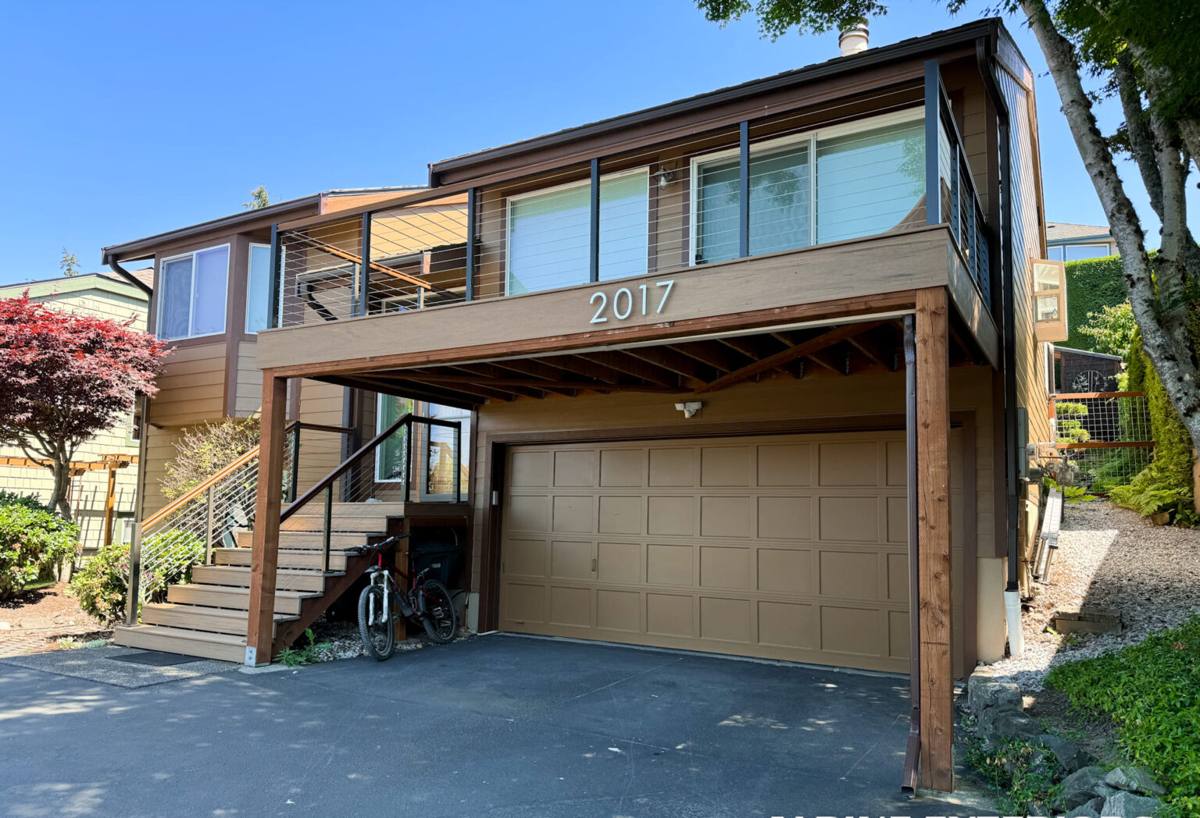
Like a lot of established Bellingham neighborhoods, Birchwood has a mix of home ages and construction styles — older homes with original wood-frame windows alongside newer builds with vinyl or fiberglass units installed during past remodels. Each of these presents a different installation challenge:
- Older homes often have wall assemblies that were never built with a modern weather-resistive barrier, so new windows need extra attention paid to flashing and integration with whatever moisture protection is actually behind the siding.
- Homes with a previous window replacement sometimes have hidden damage from an installation that wasn't sealed correctly the first time — something we only find once the old unit comes out.
- Newer construction usually has the right barrier system in place already, but window openings still need to be checked for square and level, since minor settling changes those numbers over the years.
We don't assume any of this going in. Every Birchwood job starts with an honest look at the actual wall and window opening, not just the visible trim.
What a Correct Window Installation Actually Involves
Setting a window in place and running a bead of caulk around the outside is not a proper installation — it's a shortcut that tends to fail within a few years in this climate. A correct job follows a sequence, and skipping steps is exactly how water finds its way behind the siding.
The Opening Comes First
Before a new window goes in, the opening gets inspected for rot, soft framing, or old flashing that's failed. Any damaged material gets addressed before anything new is installed — putting a new window into a compromised opening just hides the problem for another few years.
Flashing and Moisture Management
This is the step that matters most in a marine climate. Proper flashing directs water that gets behind the siding back out, rather than letting it pool at the sill or work its way into the wall cavity. We integrate window flashing with the existing weather-resistive barrier using a shingled, water-shedding sequence — not just tape and caulk applied after the fact.
Setting, Shimming, and Sealing
The window itself needs to be plumb, level, and square, with shims placed correctly so the frame isn't under stress that can cause it to bind or leak over time. Insulation goes in the gap between the frame and the rough opening — not spray foam packed in tight, which can bow vinyl frames, but a proper low-expansion product or fiberglass suited to the gap size. Exterior sealant goes on last, and only where it belongs — sealant is a backup to good flashing, not a substitute for it.
Our Process, Start to Finish
We keep the process straightforward because homeowners deserve to know exactly what's happening to their house and when.
- Free on-site estimate. We look at your current windows, check the openings where possible, and talk through what you actually need versus what would just be nice to have.
- Written scope and pricing. You get a clear breakdown of the window units, installation work, and any additional repairs the openings might need — no surprise add-ons discovered halfway through.
- Removal and inspection. Old windows come out carefully, and we inspect the opening before anything new goes in.
- Installation. Flashing, setting, insulating, and sealing, done in sequence — not compressed to save time.
- Final walkthrough. We check operation, seals, and finish work with you before considering the job done.
We also clean up the job site each day, not just at the end — a house with school-age kids or pets doesn't need construction debris sitting around overnight.
Choosing the Right Window for Whatcom County Weather
There's no single "best" window — the right choice depends on your home's exposure, your budget, and how much upkeep you want to take on. Here's how the common frame materials compare for a coastal Whatcom County home:
| Frame Material | Moisture Resistance | Maintenance | Typical Lifespan |
|---|---|---|---|
| Vinyl | Very good — won't rot or corrode | Low — occasional cleaning | 20-30 years |
| Fiberglass | Excellent — dimensionally stable in temperature swings | Low | 30-40 years |
| Wood (clad exterior) | Good on the exterior side, but interior wood needs protection from condensation | Moderate — periodic finish upkeep | 20-30 years with maintenance |
| Aluminum | Prone to condensation and corrosion near salt air unless thermally broken | Moderate to high | 20-25 years |
We don't push one brand or material on every job. We'll walk you through what actually makes sense for your home's exposure and your maintenance tolerance, and explain the honest trade-offs — including where a lower-maintenance option might cost more up front but save you time and repair costs over the years.
Glass Package Matters as Much as Frame
In a climate with this much temperature swing between summer afternoons and winter nights, the glass package affects comfort and condensation control as much as the frame does. Double-pane with a low-E coating and argon gas fill is the standard baseline we recommend for most Birchwood homes; triple-pane adds meaningful value on north-facing walls or homes closer to open water where wind exposure is higher.
Signs Your Birchwood Home May Need New Windows
Homeowners often wait too long because a window still technically opens and closes. Here's what actually signals it's time to have windows evaluated:
- Fogging or a milky haze between the panes — the seal has failed and the insulating gas is gone.
- Visible gaps, soft wood, or peeling paint at the sill or lower corners of the frame.
- A noticeable draft near the window even when it's fully latched.
- Difficulty opening, closing, or locking — often a sign the frame has shifted.
- Condensation forming on the inside of the glass regularly during colder months.
- Rising energy bills without any other clear explanation.
Any one of these on its own might not mean full replacement is urgent, but a few together are usually a sign the window and its seal are past the point where repair makes sense.
What Drives the Cost of a Window Installation
Pricing varies by home and by job, but a few factors consistently drive cost up or down:
| Factor | Why It Matters |
|---|---|
| Number and size of windows | More units and larger openings mean more material and labor |
| Frame material and glass package | Fiberglass and triple-pane cost more upfront than vinyl and double-pane |
| Condition of the existing opening | Rot or moisture damage found during removal adds repair time before the new window goes in |
| Access and home height | Second-story or hard-to-reach windows take longer and may need additional equipment |
| New construction vs. retrofit | Retrofit installs work within the existing frame; full-frame replacement involves more exterior work but addresses hidden damage |
We give you a real number after seeing the actual windows and openings, not a generic estimate pulled from a price sheet — hidden damage behind an old frame is common enough in this climate that we'd rather find it before we quote than after.
Why Hiring a Crew That Already Works in Birchwood Matters
Window installation done wrong doesn't usually fail in the first year — it fails in year three or four, once enough moisture has worked its way behind a poorly flashed opening. That delay is exactly why so many homeowners in coastal climates end up dealing with hidden rot they didn't cause and couldn't have seen coming from a bad install elsewhere.
A crew that regularly works in Bellingham and Whatcom County has already seen how local wall assemblies, siding types, and moisture patterns behave over time. That's not something you can shortcut by reading an installation manual — it comes from doing the work in this specific climate, on this specific kind of housing stock, repeatedly. We know what a proper flashing sequence needs to hold up against months of driving rain, and we know what moss buildup does to a poorly sealed sill over a few winters.
Caring for New Windows in a Marine Climate
New windows still need a little seasonal attention here. Keep weep holes along the bottom of the frame clear of debris and moss so water can drain out rather than pool. Rinse salt residue off exterior glass and frames periodically if your home is closer to open water, since salt buildup can accelerate wear on hardware and finishes. Check exterior caulking once a year, especially after a hard winter, and address any cracking before it becomes an entry point for water. None of this is heavy maintenance — it's the kind of basic upkeep that lets a well-installed window actually reach the lifespan it's rated for.
If your Birchwood home has windows showing any of the warning signs above, or you're simply ready to stop losing heat and dealing with drafts every winter, we're happy to take a look. Estimates are free, there's no pressure to commit on the spot, and you'll get a straight answer about what your home actually needs — just fill out the form below to get started.