 Bellingham Exterior
 Roof Replacement in Barkley: Built for the Way This Neighborhood Weathers
Barkley sits far enough from Bellingham Bay to feel like it's tucked away from the marine weather, but it isn't. Salt-laden air still moves through the corridor, driving rain still comes in sideways off Puget Sound storms, and the tree cover that makes the neighborhood feel established also means a long, stubborn moss season on north-facing slopes and shaded roof planes. A roof replacement here isn't a one-size-fits-all job. It has to account for how this specific pocket of Whatcom County actually treats a roof over the course of a year, not just what a manufacturer's spec sheet says on paper.
We work on homes throughout Barkley regularly enough to know which roof lines hold moisture longest, which HOA-influenced streetscapes call for a certain look, and which mistakes from the last roofing cycle tend to repeat themselves if nobody addresses the root cause during the tear-off.
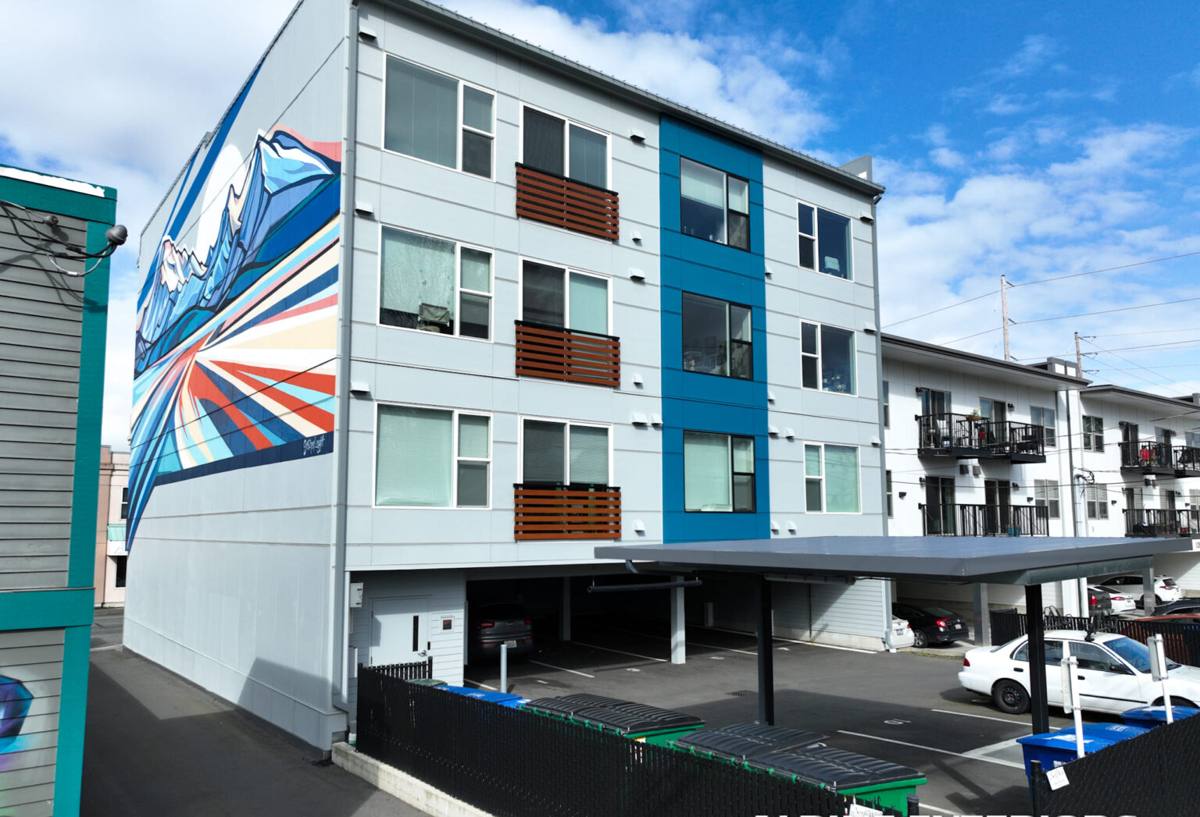
What Barkley's Climate Actually Does to a Roof
Three things drive most of the roof failures we see in this neighborhood, and a proper replacement addresses all three at once rather than patching around them.
Moss and Sustained Moisture
Bellingham's wet season stretches long, and Barkley's mature tree canopy keeps a lot of roof surface shaded well into the day even when the sun is out. That combination means moss doesn't just grow, it holds water against the roofing material for extended periods. On older roofs, that trapped moisture works its way under shingle edges and into fastener lines, which is where rot and granule loss usually start.
Driving Rain
Storms coming off the Sound don't fall straight down here, they come in at an angle. That means flashing details, wall-to-roof transitions, and valley work matter more in this area than they would somewhere with calmer weather. A roof that would perform fine in a dry climate with basic flashing can still leak in Barkley if the underlayment and flashing package aren't built for wind-driven water.
Salt Air Exposure
Barkley isn't waterfront, but it's close enough to the bay that airborne salt still reaches metal components over time — fasteners, flashing, vents, and gutter hardware. Standard-grade metal corrodes faster here than it would inland. It's a slow process, but it's one reason we pay attention to fastener and flashing material, not just the shingle or roofing product itself.
What a Correct Roof Replacement Includes
A roof replacement done right in this climate is really several separate systems working together, not just new shingles laid over old wood. Skipping any one of these is usually where the next round of problems comes from.
- Full tear-off to bare decking, so we can actually see the condition of the wood underneath instead of guessing
- Deck inspection and repair or replacement of any soft, delaminated, or rotted sheathing
- A synthetic or self-adhering underlayment rated for sustained wet-climate exposure
- Ice-and-water shield style membrane at eaves, valleys, and any low-slope transitions where water tends to pool or back up
- New flashing at every roof-to-wall intersection, chimney, skylight, and vent penetration — reused flashing is a false economy in this climate
- Proper attic and roof ventilation so moisture generated inside the home has somewhere to go, reducing the moss-friendly, moisture-trapping conditions from the inside out
- Corrosion-resistant fasteners and hardware appropriate for a marine-influenced air environment
- Final inspection of all penetrations, edges, and transitions before we consider the job complete
Ventilation Deserves Its Own Mention
A lot of homeowners focus entirely on the roofing material and skip past ventilation, but in a climate like this it's arguably just as important. Poor attic ventilation traps warm, moist air against the underside of the deck, which accelerates rot from below at the same time moss and rain are working on the surface from above. Balanced intake and exhaust ventilation is one of the cheapest things to get right during a replacement and one of the most expensive things to fix afterward.
Choosing Roofing Materials for This Area
There's no single "best" roofing material for Bellingham — it depends on the home, the roof pitch, the budget, and how much long-term maintenance the homeowner wants to take on. What we can offer is a straightforward comparison of how common options actually behave under Barkley's specific conditions.
| Material | Moss Resistance | Wind-Driven Rain Performance | Maintenance in This Climate |
|---|---|---|---|
| Architectural asphalt shingle | Moderate — benefits from algae-resistant granules and periodic cleaning | Good, when flashing and underlayment are installed correctly | Low to moderate; periodic moss removal on shaded slopes |
| Standing seam metal | High — smooth surface sheds moss more easily | Very good, especially on steeper pitches | Low, but fasteners and coatings should be marine-rated |
| Cedar shake | Lower — porous surface holds moisture, needs more attention in shaded areas | Good with proper underlayment, but more installation-sensitive | Higher; regular treatment and moss management expected |
| Composite/synthetic shake | High — non-porous, resists moisture retention | Good | Low |
We're honest about trade-offs rather than pushing one product as universally superior. Cedar shake, for example, can look excellent on the right home, but it asks more of the homeowner in ongoing maintenance in a climate this wet and shaded. That's not a knock on the material — it's just a fact worth knowing before you commit to it.
Our Replacement Process, Start to Finish
- On-site assessment — we look at the existing roof, attic ventilation, decking condition where visible, and any known trouble spots the homeowner has noticed
- Written scope and estimate — clear on material choice, tear-off scope, flashing and ventilation work, and timeline, with no vague allowances
- Tear-off and deck inspection — old roofing removed down to the deck, with any compromised sheathing flagged and addressed before anything new goes down
- Underlayment and flashing installation — the part of the job that matters most for keeping wind-driven rain out
- Roofing material installation — installed to manufacturer specification, which is also what keeps the warranty valid
- Ventilation and detail work — vents, boots, and transitions finished and sealed
- Final walk-through — we go over the finished roof with the homeowner and clean up the site fully before we consider the job done
Signs a Barkley Roof May Need Replacing Rather Than Repairing
Not every roof problem calls for full replacement, and we'll tell you plainly if a repair is the more sensible move. But there are signs that usually point toward replacement rather than another patch:
- Granule loss heavy enough that shingles look bare or shiny in patches
- Moss that keeps returning to the same areas within a season or two of cleaning
- Soft spots in the decking felt underfoot or visible sagging along roof lines
- Repeated leaks around the same flashing point despite prior repairs
- A roof approaching or past its expected material lifespan, especially if the original ventilation was never adequate
Why a Locally Experienced Crew Matters Here
Roofing crews that mainly work drier inland climates sometimes underbuild for what Bellingham throws at a roof — lighter underlayment, minimal flashing detail, ventilation as an afterthought. None of that shows up as a problem on day one. It shows up two or three wet seasons later, usually as a leak that traces back to a shortcut nobody flagged at the time. Working this neighborhood regularly means we've already seen how specific roof orientations, tree coverage patterns, and HOA-influenced roof styles in Barkley perform over time, and we build the replacement around that reality rather than a generic spec.
What Affects the Cost of a Roof Replacement in Barkley
Every roof is different, but a few factors tend to move the price up or down more than anything else:
| Factor | Why It Matters |
|---|---|
| Roof size and number of planes | More material, more seams, more flashing detail |
| Existing deck condition | Rot found during tear-off adds material and labor to replace it properly |
| Roofing material selected | Asphalt, metal, and composite products carry different material and labor costs |
| Pitch and accessibility | Steeper or harder-to-access roofs take longer and require more safety setup |
| Ventilation upgrades needed | Adding proper intake/exhaust ventilation where none existed adds scope but pays off long-term |
| Flashing and detail work | Homes with chimneys, skylights, or multiple wall intersections need more flashing labor |
We don't quote broad numbers without seeing the roof, because guessing does homeowners a disservice — but we're upfront during the estimate about what's driving the cost on your specific home, so there are no surprises once work starts.
Ready to Talk About Your Roof?
If you're noticing moss that won't quit, a roof that's getting up in years, or signs of water finding its way in where it shouldn't, it's worth having a straightforward, no-pressure look before small issues turn into deck damage. Reach out for a free estimate using the form below, and we'll walk your Barkley home's roof with you and give you an honest read on what it actually needs.