 Bellingham Exterior
 Bellingham's Climate Is Hard on Siding — Here's What Barkley Homes Are Up Against
Barkley homeowners live with the same marine climate that shapes every neighborhood in Bellingham and across Whatcom County: cool, damp winters, mild summers, and a weather pattern that keeps moisture in contact with a house far more often than in drier parts of the country. Three things in particular wear on exterior siding here — salt-tinged air moving inland off the water, driving rain that gets pushed sideways by wind rather than falling straight down, and a moss and algae season that can run nine months out of the year in shaded, north-facing areas.
None of that is unique to Barkley, but it's the reality every siding product on a Bellingham home has to survive, year after year, without a break. Siding that's engineered for a drier or milder region — or installed with shortcuts that work fine somewhere else — tends to show problems here faster and worse than it would elsewhere.
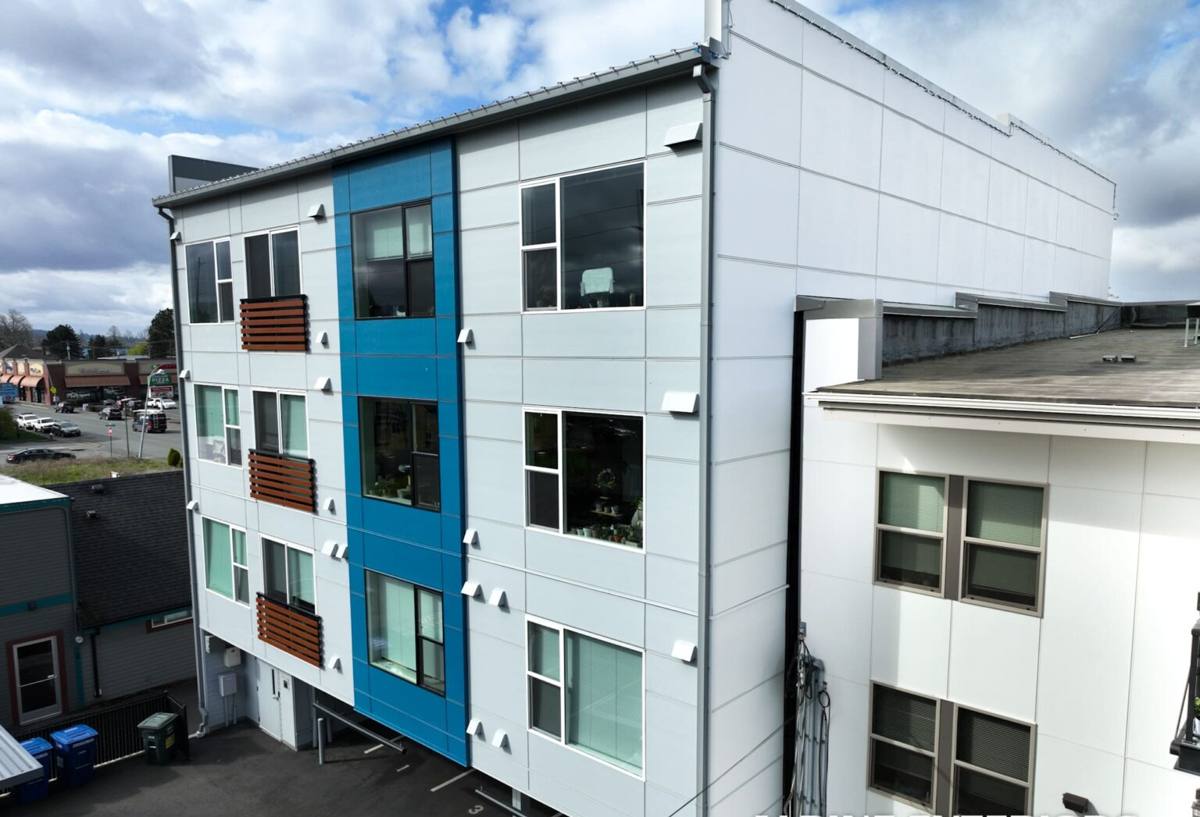
What Happens When Siding Isn't Built for This Environment
The failure patterns we see on older or poorly matched siding in this area are consistent:
- Vinyl siding that's warped, buckled, or faded from repeated wet-dry cycling and UV exposure
- Wood and engineered-wood siding with soft spots, delaminating edges, or rot starting at butt joints and bottom edges
- Persistent moss and algae staining on shaded elevations that never fully dries out between rain events
- Caulk joints that have cracked or pulled away, letting wind-driven rain track behind the siding
- Moisture damage to the sheathing or framing underneath siding that looked fine from the street
That last point is the one that costs homeowners the most. Siding is a system, not just a surface — what's happening behind the cladding matters as much as what's visible from the sidewalk. A house can have siding that looks acceptable while trapping moisture against the wall assembly underneath, and by the time paint or panels start visibly failing, there's often sheathing repair involved as well.
Why We Install Only James Hardie Fiber Cement Siding
We standardized on James Hardie fiber cement as the only siding product we install, on Barkley homes and everywhere else we work. That's a deliberate professional decision, not a sales preference. Fiber cement is dense, cement-based, and dimensionally stable — it doesn't absorb water the way wood-based products do, it doesn't soften or rot, and it holds its shape through the constant damp-to-dry cycling that defines a Bellingham winter.
Within fiber cement, we install Hardie specifically because of the factory-applied ColorPlus finish, the climate-specific HZ product engineering, and a warranty structure that's transferable if the home sells. We don't install vinyl, LP SmartSide, primed wood, or cedar siding, and we don't install other fiber cement brands. That's a narrower list than some contractors offer, and it's intentional — it lets us get very good at one product system rather than being average across several, and it means every crew member on a Barkley job has installed this exact product many times before.
What a Correct Fiber Cement Siding Installation Involves
Fiber cement siding performs the way it's supposed to only when the installation details are right. The product itself is durable, but a rushed or generic install undermines most of that durability. Here's what we treat as non-negotiable on every job.
Weather Barrier and Flashing
Every wall gets a continuous weather-resistant barrier before siding goes up, with proper flashing integrated at every window, door, and horizontal trim transition — the points where wind-driven rain is most likely to find a way behind the cladding. In a climate that gets rain from the side as often as from above, flashing details matter more than they would in a drier region.
Fastening and Clearances
Hardie siding has specific fastener spacing, embedment depth, and clearance requirements — including keeping the bottom edge clear of grade, decks, and roof lines by the margins the manufacturer specifies. Skipping these clearances is one of the most common ways siding installations fail early, because it traps moisture right where the wall is most vulnerable.
Caulking and Finish Work
Joints, seams, and trim transitions get sealed with the right sealant, applied correctly the first time. Caulk isn't a substitute for proper flashing, but where it's called for, it needs to be done right — a failed caulk joint in this climate turns into a moisture problem faster than in a place with less rain.
Choosing the Right Hardie Product Line for This Climate
James Hardie makes several product lines and profiles, and part of doing this job correctly is specifying the right one for a Pacific Northwest marine environment. Homes in Whatcom County fall into Hardie's HZ5 climate zone, engineered for regions with damp, moderate climates rather than extreme heat or hard freeze cycles — that engineering affects the product's moisture and warpage resistance in exactly the conditions Barkley homes deal with.
Beyond the climate zone, there are choices in profile and finish:
| Product Type | Common Use | Why It Fits This Climate |
|---|---|---|
| HardiePlank lap siding | Most common choice for full siding replacement | Traditional look, wide range of ColorPlus colors, proven track record in wet climates |
| HardiePanel vertical siding | Accent walls, gables, modern or craftsman styling | Clean lines that shed water well on steep or vertical sections |
| HardieShingle | Accent areas, gables, dormers | Matches cedar shingle aesthetics without the moisture absorption |
| HardieTrim boards | Corners, window and door trim, fascia | Resists the rot that plagues wood trim in constantly damp conditions |
ColorPlus finish is worth calling out on its own: it's baked on at the factory rather than site-applied, which means better fade and moisture resistance than field-painted siding, and it holds up better against the algae and mildew growth that shaded Bellingham walls are prone to.
Siding Options at a Glance
For homeowners comparing materials before committing to a project, here's how the common options stack up against the specific conditions Barkley homes face — salt-tinged air, sideways rain, and long stretches of damp shade.
| Factor | Fiber Cement (James Hardie) | Vinyl | Wood / Engineered Wood |
|---|---|---|---|
| Moisture resistance | Does not absorb water; dimensionally stable | Doesn't rot, but can warp and gap over time | Absorbs moisture; prone to rot without diligent upkeep |
| Moss/algae resistance | ColorPlus finish resists growth and staining | Can stain and stay stained | Prone to moss and mildew in shaded spots |
| Salt air durability | Cement-based, not affected by salt corrosion | Generally stable, can fade faster near salt air | Finish and fasteners can degrade faster |
| Maintenance | Occasional wash; repaint only if not ColorPlus | Low, but limited repair options when damaged | Regular repainting and caulking required |
| Typical lifespan when installed correctly | Multiple decades | Multiple decades, variable with UV exposure | Shorter without consistent maintenance |
Our Process, Start to Finish
A siding job is more than hanging new panels. Here's how we approach a fiber cement installation on a Barkley home:
- On-site inspection and estimate, including a look at existing siding, trim, and visible moisture or rot issues
- Removal of existing siding and assessment of the sheathing underneath — any soft or damaged sheathing gets addressed before anything new goes up
- Installation of a continuous weather-resistant barrier and flashing at every penetration and transition
- Installation of Hardie siding, trim, and accessories to manufacturer fastening and clearance specifications
- Caulking, touch-up, and finish detailing
- Final walkthrough with the homeowner before the job is considered complete
We don't skip step two. Covering up damaged sheathing with new siding is one of the most common ways a siding project fails within a few years, and it's not visible until the new siding is already showing problems of its own.
Warning Signs Worth Acting On
Some signs are easy to miss from a normal viewing distance, especially on shaded or less-visible sides of a house. Worth checking for:
- Soft spots or slight give when pressing on siding, especially near the bottom edge
- Persistent moss, algae, or dark staining that returns shortly after cleaning
- Caulk that's cracked, shrunk, or pulled away from trim and joints
- Paint that's peeling or bubbling in a pattern rather than isolated spots
- Visible warping, buckling, or gaps between siding panels
- Musty smells or moisture signs on interior walls that back onto exterior siding
Any one of these is worth a closer look. Together, they usually mean the siding — or what's behind it — needs more than a cosmetic fix.
Why a Crew That Already Works in Barkley Matters
Siding work in Bellingham benefits from a crew that already understands the local conditions rather than treating this as a generic install. A contractor who works regularly in Whatcom County knows how differently a north-facing wall behaves compared to a south-facing one in this climate, understands how much clearance and flashing detail actually matters given the amount of driving rain the area gets, and isn't guessing at what "normal" moisture exposure looks like on a house that's been through several wet seasons.
That local familiarity also means faster, more accurate estimates, fewer surprises once removal starts, and a crew that's installed the same Hardie products enough times to do the flashing, fastening, and finish details correctly the first time — which matters most in a climate that doesn't give a poorly built wall assembly much room for error.
If you're weighing a siding project on a Barkley home, we're glad to take a look and talk through what your house actually needs — no pressure, no obligation. Request a free estimate using the form below.