 Bellingham Exterior
 Roof Replacement for York-Area Homes in Bellingham
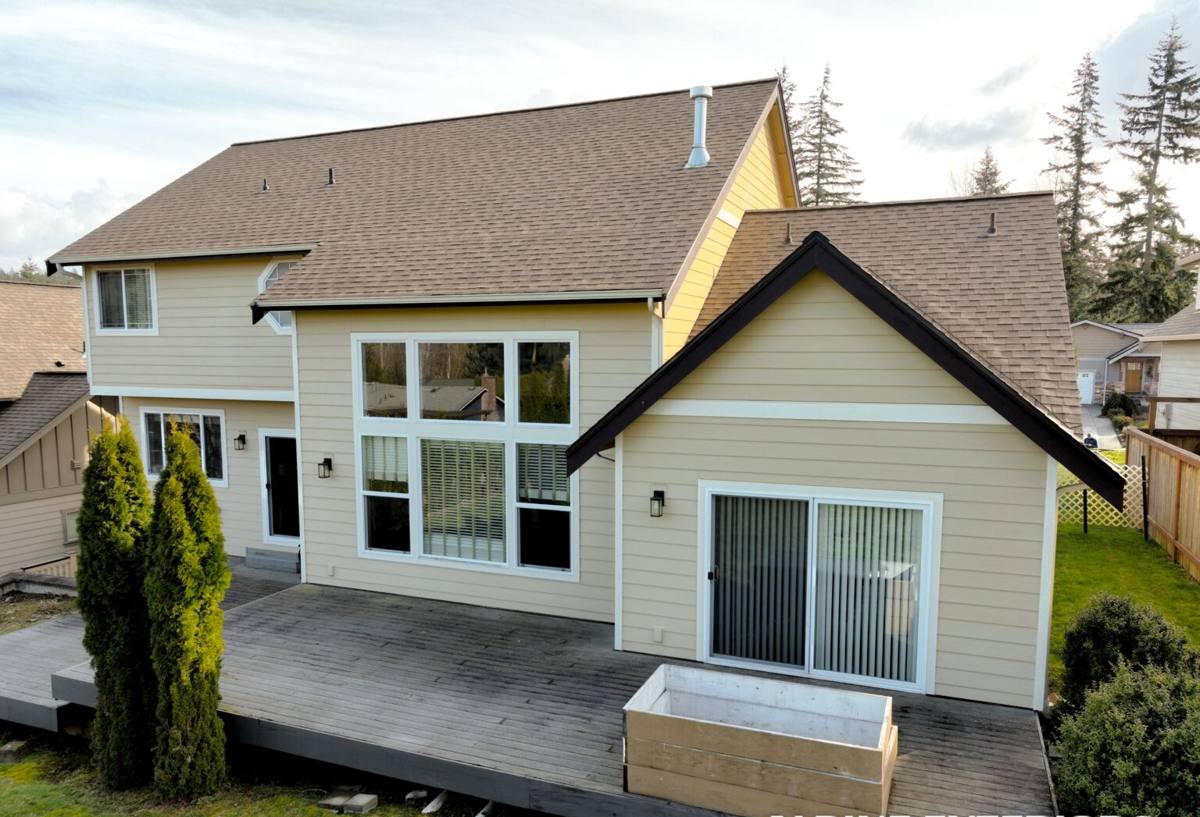
The York neighborhood sits close enough to Bellingham Bay that its homes take a different kind of weather beating than roofs a few miles inland. Salt-laden air off the water, driving rain that comes in sideways during winter storms, and long stretches of shade from mature trees combine to shorten the working life of a roof faster than most homeowners expect. When we're called out for a roof replacement in this part of town, we're not just swapping old shingles for new ones — we're building a roof system specifically to hold up against the conditions this corner of Whatcom County actually produces.
This page covers what a correct roof replacement looks like for a York-area home, the materials and details that matter most here, and how our process works from first look to final walk-through.
Why This Location Wears Roofs Out Faster
Salt Air and Metal Fatigue
Proximity to Bellingham Bay means airborne salt settles on exposed metal — flashing, nail heads, vent caps, gutter hardware — and accelerates corrosion over time. A roof built with standard-grade fasteners or unprotected metal flashing in a salt-air zone will show rust and pitting years before an identical roof installed further inland. We spec corrosion-resistant fasteners and flashing metals for homes in this area as a matter of course, not as an upsell.
Driving Rain and Wind-Driven Water
Bellingham's winter storms don't just drop rain straight down — wind off the bay pushes it sideways and up under laps, edges, and penetrations that a calm-weather installation might get away with. Roofs here need tighter underlayment overlaps, properly sealed and back-primed flashing, and ice-and-water shield in the valleys and eaves where wind-driven water pools and backs up.
Moss, Shade, and Moisture Retention
York's tree cover is part of the neighborhood's character, but shaded, north-facing roof sections stay damp far longer after a storm than a sun-exposed roof would. That extended dampness is exactly what moss needs to establish. Once moss takes hold, it lifts shingle edges, holds moisture against the roof deck, and opens a path for rot — a slow process that's easy to ignore until it isn't.
Signs a York-Area Roof Needs Replacing, Not Patching
Not every roof problem calls for a full replacement, and we'll say so plainly during an inspection. But there are signs that reliably point past the patch-and-wait stage:
- Granule loss heavy enough to show bare, shiny patches on asphalt shingles
- Moss growth that's colonized more than isolated patches, especially on shaded slopes
- Curling, cupping, or cracked shingles across multiple areas rather than one localized spot
- Soft, spongy decking felt underfoot during inspection — a sign moisture has reached the wood
- Rust staining or visible corrosion at flashing, valleys, or vent boots
- Daylight visible through the roof deck from the attic, or water stains on interior ceilings
- A roof approaching or past its material's expected service life with recurring leak calls
If a roof shows two or three of these at once, patching usually becomes a short-term fix that costs more over a few years than a single well-done replacement.
Material Choices for This Climate
There's no single "best" roofing material for every home — the right call depends on the house, the budget, and how much of the moss-and-moisture problem the homeowner wants engineered out from the start. Here's how the common options stack up for a York-area home specifically.
| Material | Moss/Moisture Resistance | Salt-Air Durability | Typical Lifespan | Notes for This Area |
|---|---|---|---|---|
| Architectural Asphalt Shingle | Moderate — needs clean valleys and good ventilation | Good with corrosion-resistant fasteners | 25–30 years | Most common, reliable choice; algae-resistant granules help on shaded slopes |
| Standing Seam Metal | Excellent — sheds moisture, sheds moss | Very good with a proper coastal-grade finish | 40–50+ years | Higher upfront cost, minimal moss issue long-term |
| Composite/Synthetic Shingle | Good — resists water absorption | Good | 30–40 years | Good middle ground on cost and low maintenance |
| Cedar Shake | Poor without diligent maintenance | Fair — needs regular treatment | 20–30 years with upkeep | Attractive but a real ongoing maintenance commitment in shaded, damp spots |
Our default recommendation for shaded York lots is an algae-resistant architectural shingle or a metal roof, paired with ventilation and flashing details that keep moisture from lingering in the first place. We'll walk through the honest trade-offs for your specific roof rather than pushing one product across every job.
What a Correct Roof Replacement Actually Involves
Tear-Off and Deck Inspection
Every job starts with a full tear-off to bare deck — not an overlay. That's the only way to actually see what's underneath: soft spots, old leak damage, undersized ventilation, or decking that's due for replacement. Any compromised sheathing gets replaced before anything new goes down; installing new roofing over a weak deck just hides a problem that will resurface.
Underlayment and Ice-and-Water Shield
Given how much wind-driven rain this area sees, we run synthetic underlayment across the full roof and self-adhered ice-and-water shield in the vulnerable zones — valleys, eaves, around chimneys and skylights, and anywhere two roof planes meet. This is the layer that keeps water out even if wind pushes rain up under the shingle laps.
Flashing Detail Work
Flashing failures cause more leaks than worn-out shingles do. We use corrosion-resistant metal at every penetration and step-flash properly against walls and chimneys, sealing and lapping each piece so water is directed out and down, never trapped behind a joint.
Ventilation
A roof deck that can't breathe stays damp longer after every rain, which feeds moss and shortens shingle life from underneath. We check and correct intake and exhaust ventilation as part of every replacement — balanced airflow is what actually dries a roof out between storms, not just the shingle on top.
Final Shingle or Panel Installation
Materials go down to manufacturer spec with correct nailing patterns and exposure — details that matter for wind rating and warranty validity, and that get skipped on rushed jobs.
Our Process, Start to Finish
- Inspection and estimate: We walk the roof, check the attic and decking where accessible, and give a straight assessment of whether replacement or repair is the right call.
- Written scope and pricing: You get a clear breakdown of materials, labor, and any deck repair contingencies before work starts — no surprise change orders.
- Scheduling around weather: Given how much of the year sees rain in this region, we plan tear-off timing to minimize the roof sitting open, and we dry-in exposed sections the same day whenever conditions demand it.
- Tear-off and deck repair: Old roofing comes off, decking is inspected and replaced where needed.
- Underlayment, flashing, and material installation: Installed to the standards above, not the minimum code allows.
- Cleanup and magnetic sweep: Full site cleanup including a nail sweep of the yard and driveway.
- Final walk-through: We go over the finished roof with you before calling the job done.
Why a Crew That Already Works This Area Matters
A roofing crew that regularly works York and the surrounding Bellingham neighborhoods already knows which slopes stay shaded longest, which older homes in the area tend to have undersized original ventilation, and how far wind-driven rain travels up under an eave in a January storm. That's not something you can fully account for from a spec sheet — it comes from having stood on enough roofs in this specific microclimate to know where problems actually start. It also means faster response if something needs a look after a big storm, rather than waiting on a crew that has to travel in from outside the county.
Maintaining a New Roof in Salt Air and Moss Season
A correctly installed roof still benefits from basic upkeep in this climate. A short annual checklist goes a long way:
- Clear gutters and downspouts before the fall rains start, so water isn't backing up under the eaves
- Trim back tree limbs that keep a section of roof shaded and damp longer than the rest
- Have moss treated or gently removed at the first sign of growth, before it spreads and lifts shingles
- Check flashing and vent boots for early rust or cracking during an annual look-over
- Confirm attic ventilation isn't blocked by insulation or storage after any attic work
None of this requires climbing on the roof yourself — a lot of it can be checked from the ground or during a quick annual visit.
What Affects the Cost of a Roof Replacement Here
Every roof is different, but a few factors consistently move the price on jobs in this area: the total roof square footage and pitch, how much decking needs replacing once tear-off reveals the condition underneath, material choice, the complexity of the roofline (valleys, dormers, chimneys), and how much ventilation correction is needed. We don't give ballpark numbers over the phone for exactly this reason — the honest number comes after we've actually seen the roof.
Get a Straight Answer on Your Roof
If your York-area roof is showing moss, granule loss, or recurring leaks, it's worth having someone look before another rainy season adds to the damage. We offer a free, no-pressure estimate — walk the roof with us, get a straight assessment, and decide from there. Use the form below to get started.