 Bellingham Exterior
 Why Edgemoor Windows Wear Differently Than Windows Inland
Edgemoor sits close to Bellingham Bay, which means homes here take a different kind of beating than a house ten minutes inland in Whatcom County. Salt-laden air off the water accelerates corrosion on hardware, fasteners, and metal window components. Wind-driven rain off the Sound doesn't just fall straight down — it gets pushed sideways into window assemblies, testing flashing and seals in ways a sheltered inland lot never experiences. Add in the shade and moisture that mature trees throw across many Edgemoor lots, and you get long stretches of the year where wood trim and sills simply don't get a chance to dry out.
None of this means Edgemoor is a bad place for wood-frame or traditional windows — plenty of homes here have handled decades of that exposure just fine. It means the replacement has to be specified and installed with that exposure in mind, not treated like a generic swap-out job.
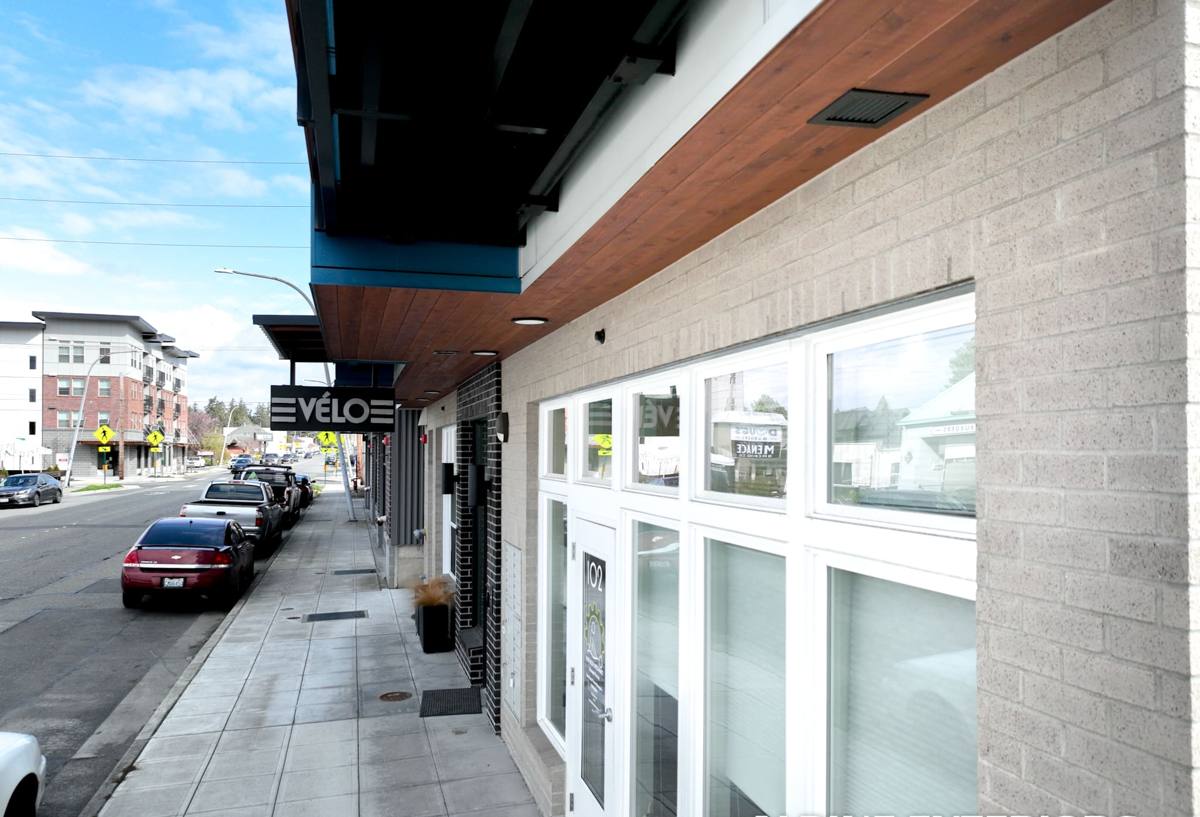
What a Marine Climate Actually Does to a Window Over Time
Bellingham's marine climate is mild, which is part of why people love living here, but "mild" doesn't mean gentle on building materials. The combination that matters most for windows is persistent moisture plus salt air plus long moss season shade:
- Corrosion: aluminum and steel hardware, balances, and fasteners near the water corrode faster than the same parts a few miles inland.
- Wood decay: sills, sashes, and exterior trim that stay damp for extended periods are prime territory for rot, especially where old caulk has failed and nobody noticed.
- Seal failure: insulated glass units lose their edge seal over time; in a wetter climate, failed seals show up faster as fogging or condensation between panes.
- Moss and organic growth: moss doesn't just grow on roofs. It takes hold in window tracks, sill corners, and anywhere water sits, holding moisture against the frame and finish long after the rain stops.
Individually, none of these are dramatic. Together, over 15-25 years, they're the reason a lot of Edgemoor homes are due for window replacement even though the windows "still open and close fine."
Signs an Edgemoor Home Is Ready for Window Replacement
Most homeowners don't replace windows because one obviously fails — they replace them because a pattern of small problems adds up. Walk your exterior on a rainy day if you can; that's when problems are easiest to spot. Look for:
- Fogging or a permanent haze between panes of double-glazed windows (a sign the seal has failed)
- Soft, spongy, or discolored wood at the sill or lower corners of the frame
- Paint that keeps failing in the same spot no matter how often it's touched up
- Drafts you can feel with a hand near the frame on a windy day
- Windows that are hard to open, close, or lock — often a sign the frame has shifted or swollen
- Visible gaps between the window frame and siding, or cracked/missing caulk lines
- Moss or persistent green growth in the sill track or corners
- Noticeably higher heating bills compared to similar-sized homes nearby
Any one of these on its own might just need a repair. Several of them together, especially on the same window or the same side of the house, usually point to replacement being the more cost-effective long-term move.
What a Correct Window Replacement Job Actually Involves
It's Not Just the Window Unit
The window itself — vinyl, fiberglass, or wood-clad — is only part of the job. In a climate like Bellingham's, the flashing, the housewrap integration, and the sealant details around the opening matter as much as the product going into it. A well-built window installed with poor flashing will leak. A modest window installed with correct flashing and drainage will hold up.
Moisture Management Comes First
Before a new window ever goes in, the opening gets inspected for hidden rot or moisture damage behind the old trim. Skipping this step is how homeowners end up "replacing" a window while leaving rotten sheathing behind it — a problem that just resurfaces a few years later. Proper flashing tape, correct shingle-lap sequencing with the housewrap, and a sloped sill pan to direct any water that gets past the outer seal back outside are standard, non-negotiable parts of the job, not upgrades.
Fit and Air Sealing
Windows need to be shimmed plumb, level, and square — not just screwed into whatever gap is there. Gaps around the frame get sealed with low-expansion foam or backer rod and sealant, not just caulked over on the surface. This is what actually stops drafts and moisture intrusion, and it's the step that's easiest to rush and hardest to inspect after the trim goes back on.
Choosing the Right Window for a Coastal-Exposed Home
There's no single "best" window material — the right choice depends on how exposed your particular elevation is, your maintenance appetite, and your budget. Here's how the common options stack up for a home in Edgemoor's conditions:
| Frame Material | Performance in Salt Air / Driving Rain | Maintenance | Typical Trade-Off |
|---|---|---|---|
| Vinyl | Good — won't rot or corrode, but hardware quality varies by manufacturer | Low | Less design flexibility on historic or higher-end trim details |
| Fiberglass | Excellent — very stable, resists moisture and temperature swings well | Low | Higher upfront cost than vinyl |
| Wood-clad (exterior clad, wood interior) | Good on the exterior if cladding and flashing are done right; interior wood needs the exterior fully sealed | Moderate | Relies heavily on correct installation to keep water out of the wood core |
| All-wood, painted | Requires the most attention in this climate — direct salt/rain exposure demands regular upkeep | High | Best fit for sheltered elevations or homeowners committed to regular repainting/maintenance |
For homes with real bay exposure — south, southwest, or west-facing elevations that catch wind-driven rain directly — we generally steer clients toward vinyl or fiberglass for the most exposed windows, and reserve all-wood options for more sheltered sides of the house where upkeep is more manageable. That's a maintenance and moisture-behavior conversation, not a statement that wood windows don't belong in Bellingham — many older Edgemoor homes have them and they can be maintained well when the exposure and upkeep line up.
How We Approach an Edgemoor Window Replacement Project
Assessment First
We start by walking the exterior with you, checking exposure on each elevation, and looking for existing moisture or rot issues before quoting anything. A house on a bluff catching direct wind off the bay gets a different recommendation than the same house on a sheltered, tree-covered side.
Install Day
Old windows come out carefully to check the condition of the framing and sheathing underneath. Any rot or damage gets addressed before the new window goes in — not covered up. New flashing, sill pans, and air-sealing details go in to current best practice, and each window is checked for plumb, level, square, and smooth operation before we move to the next.
Cleanup and Final Check
Trim and caulking get finished to match your home's existing exterior, debris is cleared, and every window gets operated and inspected before we call the job done.
What Affects the Cost of Window Replacement in Edgemoor
| Cost Factor | Why It Matters |
|---|---|
| Frame material | Vinyl is typically the most affordable; fiberglass and wood-clad cost more upfront |
| Number and size of windows | Larger openings and specialty shapes (bay, arched) cost more than standard sizes |
| Condition behind the old window | Hidden rot or water damage found during removal adds repair scope |
| Access and elevation | Upper-story or hard-to-access windows on sloped Edgemoor lots take more time |
| Trim and finish work | Matching existing exterior trim details, especially on older homes, adds labor |
| New vs. replacement opening | Full-frame replacement costs more than insert replacement but is often necessary when framing is damaged |
Broad ranges vary a lot based on these factors, which is why we walk every project in person rather than quoting sight unseen. What we can tell you honestly: the cheapest option up front is rarely the cheapest option over 15 years if it skips proper flashing and air sealing.
Why Local Experience in Edgemoor Actually Matters
A crew that mostly works dry, inland climates can install a technically fine window and still get moisture management wrong for a bluff-exposed home, because they're not used to designing for wind-driven rain and salt air as a matter of course. Working regularly in Bellingham and Whatcom County means knowing which elevations on which streets tend to take the worst weather, how moss season affects sill drainage, and what corrosion looks like on hardware that's only a few years old versus genuinely failing. It also means we're not guessing at how local building conventions and older Edgemoor construction typically go together — we've seen it before.
If your windows are drafty, fogging, sticking, or just past their reasonable service life, we're happy to take a look and give you a straight answer — including telling you if a repair makes more sense than full replacement. Reach out for a free, no-pressure estimate using the form below.