 Bellingham Exterior
 Roof Repair for South Hill Homes, Not a One-Size-Fits-All Job
South Hill sits above downtown Bellingham, and roofs up here take a different kind of beating than roofs a few miles inland. The elevation and exposure mean more direct wind and rain, the proximity to Bellingham Bay means salt-laden air working on metal and fasteners year-round, and the tree cover that makes the neighborhood so livable also means shade, damp debris, and moss pressure that a roof in a more open, sun-exposed part of Whatcom County simply doesn't deal with. A roof repair here isn't just patching a leak — it's addressing the specific combination of conditions that caused that leak in the first place.
This page is about one service in one neighborhood: roof repair for South Hill homes. Not a full replacement pitch, not a generic "we fix roofs" page. If your roof has years of life left but needs targeted work, here's what that actually involves and what to expect from a crew that already knows this hill.
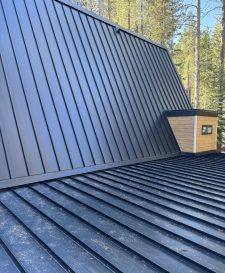
What Bellingham's Climate Does to a Roof Over Time
Salt Air and Corrosion
Bellingham's coastal location means the air carries salt, and salt accelerates corrosion on anything metal — nails, flashing, gutter hardware, screws holding down ridge caps. On roofs closer to the water and up on exposed hillsides like South Hill, we see fastener corrosion and flashing degradation happen faster than manufacturers' general guidance assumes. A repair that doesn't account for this and simply reuses old fasteners or standard-grade flashing is a repair that fails again in a few years.
Driving Rain and Wind-Driven Water
Rain that falls straight down is easy for a roof to shed. Rain that's being pushed sideways by wind off the bay is a different problem — it finds its way under shingle edges, into exposed nail heads, and through any flashing detail that's even slightly undersized or poorly lapped. South Hill's elevation and open exposure on certain sides of the neighborhood mean driving rain hits harder here than it does in more sheltered parts of the city. Repairs that only address the visible gap and ignore how water actually moves under pressure tend to come back.
A Long Moss Season
Western Washington's moss season runs most of the year, and shaded, tree-lined streets like the ones common on South Hill give moss even more of a foothold — moisture stays put longer where sun doesn't reach the roof plane. Moss isn't just cosmetic. It holds water against the roofing material, lifts shingle edges as it grows, and works its way into seams over time. A repair on a moss-heavy roof that doesn't also deal with the moss itself is treating one symptom while leaving the cause in place.
Common Roof Repair Issues We See in South Hill
The specific problem varies by roof, but the patterns repeat. Flashing around chimneys, vents, and skylights loosens or corrodes and starts letting water in at the seams. Shingles near roof edges and valleys — the areas that catch the most wind-driven water — wear faster than shingles on a sheltered slope. Moss mats trap moisture against the roof deck long enough to cause soft spots or granule loss. Gutters clogged with needles and moss overflow and send water behind fascia boards instead of off the roof. None of these are exotic problems. They're the predictable result of this climate acting on a roof over years, and they're exactly what a targeted repair should be built to solve.
What a Correct Roof Repair Actually Involves
Diagnosing the Real Problem, Not Just the Symptom
A stain on a ceiling doesn't always mean the leak is directly above it — water travels along rafters and sheathing before it shows up inside. A correct repair starts with tracing the water's actual path, not patching wherever the drywall looks worst. That means getting on the roof, checking flashing, checking the surrounding shingle courses, and, when needed, checking the attic or roof deck from underneath.
Matching Materials and Fasteners
Repair materials need to match the existing roof in type, weight, and where possible, color and profile — mismatched shingles or flashing stand out and can create their own water-management problems at the seams. Given the corrosion pressure from salt air, we use fasteners and flashing rated to hold up here, not whatever is cheapest to grab.
Flashing, Underlayment, and the Details That Actually Fail First
Shingles get blamed for leaks more often than they deserve. In our experience, flashing and underlayment details — the transitions at chimneys, walls, valleys, and penetrations — fail first, long before the field shingles wear out. A repair that only replaces a few shingles without checking the flashing underneath is addressing the visible damage while leaving the actual weak point in place.
Repair or Replace? Weighing the Factors
Not every roof problem calls for a repair, and not every roof problem calls for a full replacement. Here's how we think through it honestly:
| Factor | Leans Toward Repair | Leans Toward Replacement |
|---|---|---|
| Age of roof | Well within expected lifespan | At or past the end of its expected service life |
| Extent of damage | Isolated to one area or detail | Spread across multiple roof planes |
| Number of past repairs | First or second repair on this roof | Repeated repairs to the same or nearby areas |
| Underlying deck condition | Solid, no rot or soft spots | Soft decking, rot, or widespread moisture damage |
| Moss and debris history | Manageable with cleaning and targeted work | Long-term moss damage affecting granule loss broadly |
Most South Hill calls we get land clearly on the repair side of this table. We'll tell you plainly if we think a repair is a short-term patch on a roof that's really due for replacement — that's a disservice we won't do to a homeowner just to book a smaller job.
Our Process, Start to Finish
Inspection and Honest Assessment
We walk the roof, check the areas showing symptoms, and check the areas most exposed to wind, rain, and moss even if they're not where you noticed a problem. You get a plain-English explanation of what's actually happening, not a sales pitch.
Written Estimate
Before any work starts, you get a written scope: what's being repaired, what materials are being used, and what it costs. Simple, isolated repairs — a flashing reseal or a section of damaged shingles — are usually a few hundred to low thousands of dollars. More involved repairs spanning multiple areas or requiring deck work cost more, and we'll explain why before you commit to anything.
Repair Day
We bring matched materials, corrosion-resistant fasteners appropriate for this coastal climate, and we don't leave a job half-finished because the weather turned — Bellingham weather is unpredictable enough that we plan around it, not around convenience.
Cleanup and Follow-Up
Job site cleaned up, debris and old materials hauled off, and if the repair was tied to a moss problem, a straightforward explanation of what maintenance will keep it from coming back.
Why a Crew That Already Works South Hill Matters
A roofer who works all over Whatcom County knows roofing in general. A roofer who regularly works South Hill specifically knows how this neighborhood's elevation, tree cover, and exposure to the bay actually behave on a roof — which sides of a house take the worst of the driving rain, which roof types hold moss the longest under the tree canopy, and which flashing details tend to be the ones that were cut corners on during the original build or a prior repair. That local pattern recognition is the difference between a repair that's a guess and one that's informed by having actually seen this exact climate do this exact damage before, on roofs a few streets over.
Signs Your South Hill Roof Needs Attention
- Moss buildup on north-facing or shaded roof sections, especially thick mats rather than light surface growth
- Granules collecting in gutters or at downspout outlets, a sign of accelerated shingle wear
- Dark streaking or discoloration that isn't just algae staining
- Soft or spongy spots when the roof is walked, indicating deck moisture damage
- Missing, curling, or lifted shingles, particularly along edges and valleys
- Rust streaks or visibly corroded flashing and fasteners
- Interior water stains on ceilings or upper walls, even faint ones
- Daylight visible through the roof deck from inside the attic
Any one of these on its own might be minor. Several together usually mean it's worth having someone look before the next round of driving rain finds the weak spot.
Maintenance That Extends the Life of a Repair
A good repair only holds up if the roof around it is kept in reasonable shape. In this climate, that mostly comes down to two things: keeping moss under control before it mats and lifts material, and keeping gutters clear so water actually leaves the roof instead of backing up under edges. Neither is glamorous, but skipping both is the single most common reason a repair that was done correctly still ends up needing follow-up work a couple of years later. If you're not sure what your roof needs on that front, ask us when we're out for the repair — it costs nothing to point it out.
If you're dealing with a leak, missing shingles, or a moss problem on a South Hill roof, we're happy to take a look and give you a straight answer — repair, monitor, or replace — with no pressure either way. Reach out for a free estimate using the form below.