 Bellingham Exterior
 Why Puget-Area Homes Wear Out Siding Faster Than the Brochure Suggests
If you own a home in the Puget area of Bellingham, you already know the weather doesn't do anything halfway. Whatcom County sits close enough to the water that salt-laden air is a constant, low-grade presence on exterior surfaces, even on days that look calm. Add driving rain that comes in sideways during fall and winter storms, and a moss season that can stretch from October well into spring, and you have a combination that ages ordinary siding materials faster than the same products would age in a drier, inland climate.
Siding on Puget-area homes isn't just a weather barrier — it's doing that job for more months out of the year, under wetter conditions, than siding almost anywhere else in the country. That changes what "good enough" siding looks like, and it changes what a siding replacement job needs to accomplish to actually last.
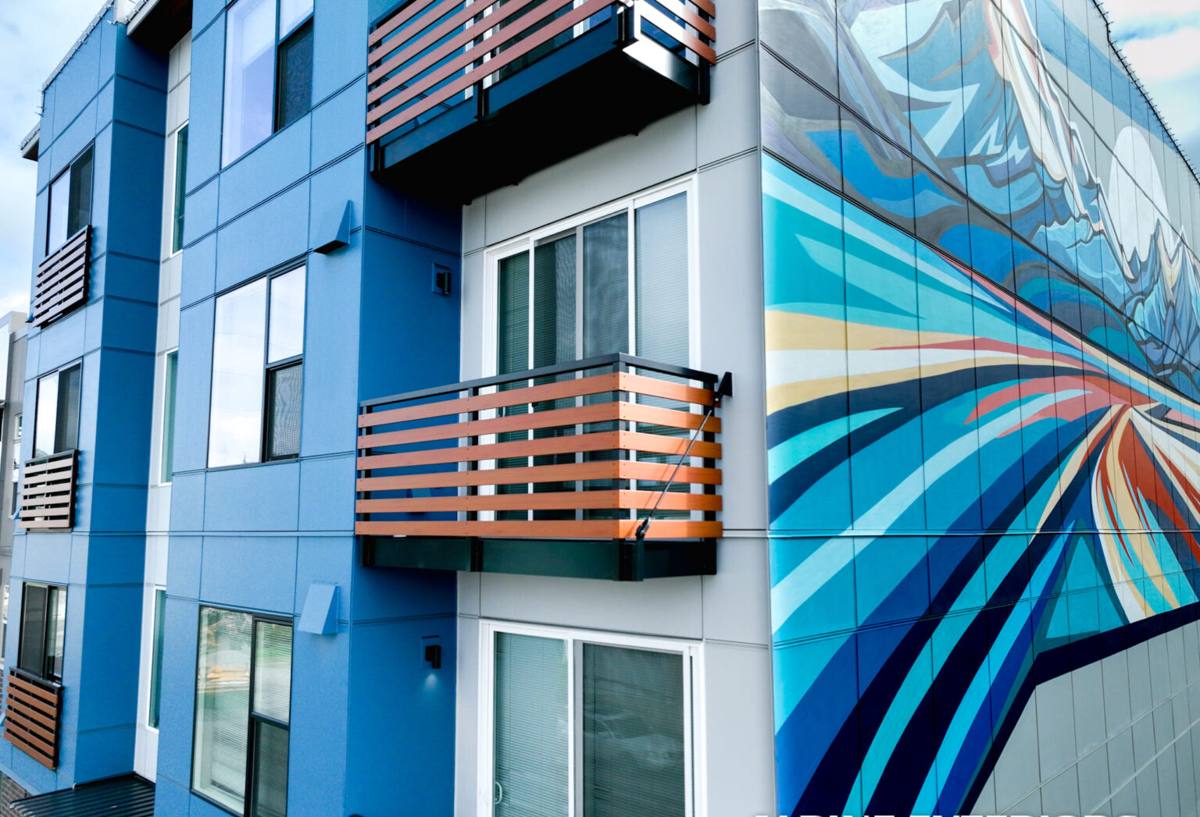
Signs Your Puget Home Needs Replacement, Not Just Repair
Not every siding problem calls for a full tear-off. But in this climate, cosmetic issues often mask something more serious happening behind the surface. Knowing the difference saves money and prevents a small fix from becoming a bigger repair later.
Cosmetic wear you can sometimes live with
Fading paint, minor caulk cracking, and light surface staining from airborne moisture are common and don't necessarily mean the siding has failed structurally. These are maintenance items, not replacement triggers, provided the substrate underneath is still sound.
Signs that point to replacement
- Soft or spongy spots when you press on the siding, especially near the bottom courses or around window trim
- Persistent moss or algae growth that returns within weeks of cleaning, suggesting the surface stays damp longer than it should
- Visible warping, buckling, or gaps at seams that let wind-driven rain behind the cladding
- Peeling or bubbling paint that keeps recurring in the same spots year after year, a common sign of trapped moisture
- Siding that's original to a home built more than 20-25 years ago, particularly if it's a wood-based or vinyl product not rated for marine exposure
If you're seeing two or more of these signs, especially the soft-spot test, it's worth having someone look at what's happening behind the siding, not just at the surface.
What a Correct Siding Replacement Actually Involves
A siding replacement is only as good as what happens underneath it. In a climate that pushes moisture at a house from every direction, the details most homeowners never see are the ones that determine whether the new siding lasts 10 years or 40.
Tear-off and sheathing inspection
Once the old siding comes off, the sheathing underneath gets inspected for rot, delamination, or soft spots — problems that are invisible from outside but common on homes that have been dealing with trapped moisture for years. Any compromised sheathing needs to be replaced before new siding goes on. Skipping this step is one of the most common ways a siding job fails early, regardless of how good the siding material itself is.
Weather-resistive barrier and flashing
A correctly installed weather-resistive barrier, properly lapped and taped at seams, is what actually keeps bulk water out of the wall assembly — the siding itself is the second line of defense, not the first. Flashing at windows, doors, and any horizontal trim needs to direct water outward and downward, never allowing it to pool or track back toward the sheathing. In a driving-rain climate, this layer matters as much as the siding you see.
Installation to manufacturer specification
Fastener placement, clearances at the ground and roofline, caulking at the right joints only (and not at others), and proper gaps for expansion all affect long-term performance. James Hardie publishes specific installation requirements for a reason: siding installed off-spec can void the manufacturer's warranty even if the product itself is excellent.
Why We Install James Hardie Fiber Cement — And Nothing Else
We get asked fairly often why we don't offer vinyl, LP SmartSide, cedar, or other fiber cement brands as options. The honest answer is that after years of installing and later repairing siding in this exact climate, we standardized on one product system because it holds up the way homeowners here actually need it to.
| Material | Behavior in Salt Air & Driving Rain | Moss/Algae Resistance | Long-Term Maintenance |
|---|---|---|---|
| Vinyl | Can warp or become brittle with temperature swings; seams are a moisture entry point | Moderate — smooth surface but seams trap grime | Low upkeep but limited repair options if damaged |
| LP SmartSide / wood-based | Engineered wood is moisture-sensitive at cut edges and fastener points | Vulnerable if coatings wear or edges aren't sealed | Requires diligent edge sealing and monitoring |
| Cedar / primed spruce | Natural wood movement and moisture absorption in a wet climate | Prone to moss and mildew without frequent treatment | Highest ongoing maintenance (staining/painting cycles) |
| James Hardie fiber cement | Non-combustible, dimensionally stable, engineered for moisture exposure | Factory finish resists moss/algae better than bare or field-painted surfaces | Low — no repainting cycle needed for years with ColorPlus finish |
This isn't a claim that other products can't work anywhere — plenty of homes around the country do fine with them. It's that in a marine climate with this much sustained moisture exposure, the trade-offs of wood-based and vinyl products (edge sealing, seam integrity, repainting cycles) are ones we're not willing to install and then have to explain later when a homeowner calls about a problem that was predictable from day one.
What Hardie gets right for this climate specifically
Fiber cement is non-combustible, which matters for wildfire-adjacent insurance considerations in Washington, and it doesn't expand and contract with moisture the way wood-based products do. The ColorPlus factory finish is baked on under controlled conditions, which gives it better fade and moisture resistance than field-applied paint, and it holds up better against the fine mineral buildup that salt air leaves on painted surfaces over time.
Choosing the Right Hardie Line and Finish for Puget-Area Exposure
James Hardie makes climate-specific product lines, and this matters more the closer a home sits to open water and wind exposure. HZ5 products are engineered for climates with freeze-thaw cycling and moderate moisture; HZ10 products are engineered specifically for the wettest, mildest, moisture-heavy climates — which describes most of Whatcom County and the Puget Sound region well.
Practical choices for Puget-area homes
- HZ10 lap siding or panels for most wall areas, matched to the home's existing exposure and wind-driven rain patterns
- ColorPlus prefinished colors in tones that hold up visually against salt-air haze and moss staining between cleanings
- Trim and soffit materials from the same product family so expansion rates and finishes match across the whole exterior
Color choice isn't purely aesthetic here — darker, flatter finishes can show mineral deposit streaking from salt air more visibly than certain mid-tone colors, which is worth discussing before you commit to a shade.
Our Process, Start to Finish
- Free on-site assessment. We look at the existing siding, check for moisture damage at vulnerable points (base of walls, window trim, roofline), and talk through what we find in plain terms.
- Written estimate. You get a clear scope of work, product selection, and price before anything is scheduled — no vague allowances.
- Tear-off and sheathing check. Old siding comes off, and we inspect the sheathing before anything new goes up. Any rot or damage gets addressed and documented.
- Weather barrier and flashing installation. This is the layer that does the real work of keeping water out, and it gets installed to spec, not rushed.
- Hardie siding installation. Installed per manufacturer specification for fastening, clearances, and joint treatment, which keeps the warranty intact.
- Final walkthrough. We go over the finished job with you before considering it done.
Why Hiring a Crew That Already Works in the Puget Area Matters
A siding crew that mostly works dry-climate jobs will make different assumptions than one used to Whatcom County's weather. Flashing details that are optional inland are not optional here. Ventilation gaps that prevent trapped moisture behind siding matter more in a climate where the siding stays damp longer between drying periods. A crew that's done this work in Bellingham and the surrounding areas has already seen what happens when those details get skipped — usually on a repair call a few years after a lower-cost installer moved on.
There's also a practical side: local crews understand Whatcom County permitting and inspection expectations, know how to sequence work around the region's wetter months, and aren't learning the area's climate quirks on your project.
Keeping Moss and Salt Air From Shortening Your New Siding's Life
Even the right siding, correctly installed, benefits from basic seasonal attention in this climate. None of this is intensive, but skipping it entirely lets moss and grime get a foothold faster than they would otherwise.
- Rinse siding gently once or twice a year to clear salt residue and early moss growth before it establishes
- Keep gutters clear so overflow doesn't run down the siding face repeatedly during storms
- Trim back vegetation and tree cover that keeps sections of the wall shaded and damp longer than the rest of the house
- Check caulking at trim joints periodically — caulk is a maintenance item even on Hardie siding, and it's the first thing worth inspecting if you notice a new damp spot
- Address any moss on the roof promptly, since runoff carrying moss spores onto siding below is a common re-infection source
What Affects the Cost of a Siding Replacement Here
| Factor | Why It Matters in This Climate |
|---|---|
| Sheathing condition | Hidden moisture damage found during tear-off adds repair scope but is essential to fix before new siding goes on |
| Home size and wall complexity | More corners, trim, and transitions mean more flashing detail work, which takes time to do right |
| Product line (HZ5 vs HZ10) | Climate-matched product selection affects material cost but is not the place to cut corners in a marine climate |
| Trim and accessory scope | Matching trim, soffit, and fascia to the new siding affects both cost and finished appearance |
| Access and site conditions | Slopes, tree cover, and tight lot lines common in this area can affect labor time |
We don't publish blanket prices because every home's scope is different, but we walk through these factors on-site so you understand where your estimate comes from before you decide anything.
Ready to Talk About Your Home's Siding?
If your Puget-area home is showing signs of wear, or you're simply planning ahead before small problems become expensive ones, we're happy to take a look and give you a straight assessment. Fill out the form below for a free, no-pressure estimate — there's no obligation, and you'll get a clear picture of what your home actually needs.