 Bellingham Exterior
 Why Sehome Decks Wear Out Faster Than Homeowners Expect
Sehome sits close enough to Bellingham Bay that salt-laden air reaches the neighborhood's older craftsman homes and newer infill builds alike, and it settles into wood fiber, metal fasteners, and concrete footings over time. Combine that with Whatcom County's long wet season and a moss season that can stretch from fall through spring, and a deck here works harder than the same structure would in a drier inland climate. We see decks in Sehome fail from the inside out — a structurally sound-looking surface hiding rotted joists, corroded hardware, or a ledger board connection that's been quietly failing for years.
A deck replacement done right for this neighborhood isn't just about swapping old boards for new ones. It's about building something that accounts for how much moisture this area actually sees, how long that moisture sits on wood surfaces before it dries, and how salt air accelerates corrosion on fasteners and connectors that a lot of installers don't think twice about.
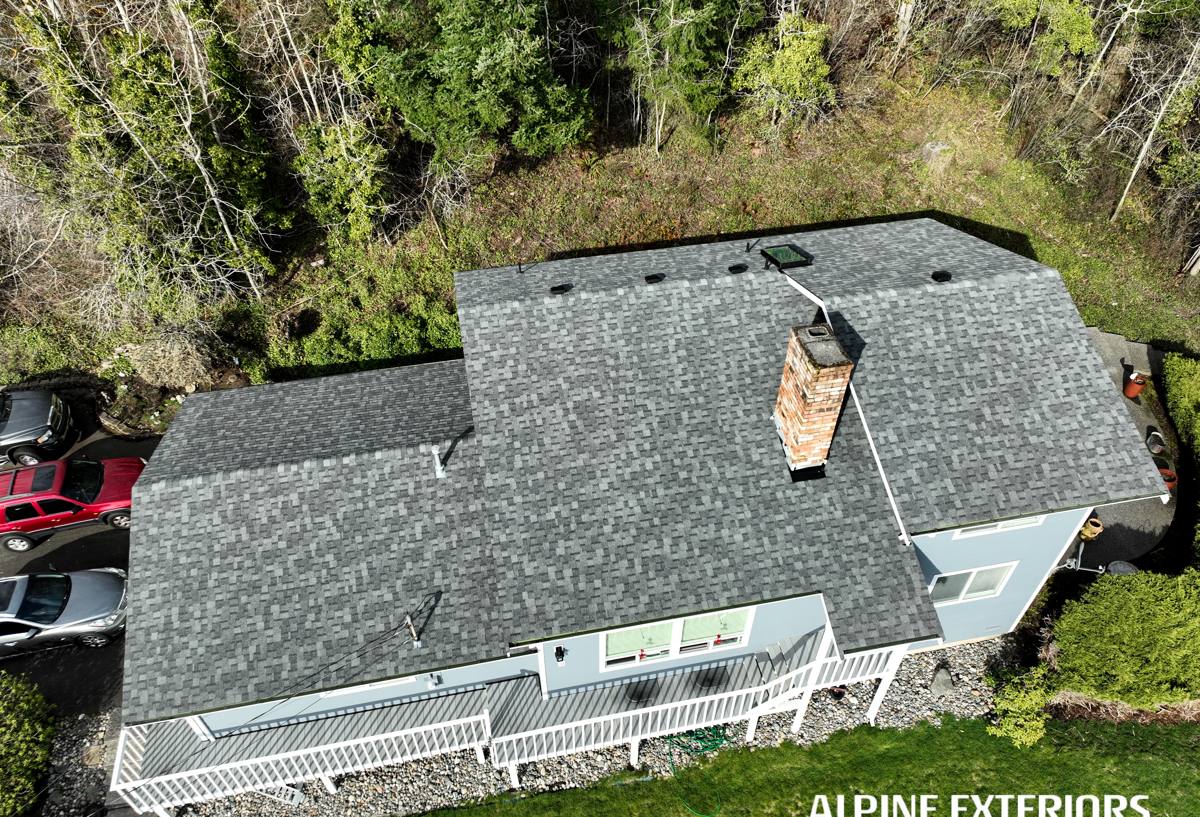
What Bellingham's Climate Actually Does to a Deck
Moisture That Never Fully Dries
Bellingham gets a lot of days where it's damp but not raining hard — overcast, humid, cool. That's actually harder on wood than a heavy downpour followed by sun, because the moisture content in the boards stays elevated for long stretches. Untreated or under-treated wood in that environment develops rot in joists, beams, and ledger connections well before the surface boards show obvious wear.
Moss and Algae Growth
Moss doesn't just look bad — it holds moisture directly against the decking surface and structural framing underneath, and it makes boards slick and dangerous underfoot. A deck with poor drainage, tight board spacing, or shaded northern exposure (common on lots around Sehome with mature trees) can develop a moss problem within a single wet season if it isn't built and maintained to shed water properly.
Salt Air and Metal Fatigue
Bellingham Bay's proximity means a light but steady salt content in the air, especially on days with onshore wind. Over years, that salt accelerates corrosion on nails, screws, joist hangers, and post bases — the hardware most homeowners never see and never think to check. When that hardware weakens, the deck can look fine on top while losing real structural integrity underneath.
Signs a Deck Needs Replacement, Not Repair
Not every aging deck needs a full teardown. But there's a point where patching individual boards or re-sealing the surface stops being a real fix and starts being a way to delay an inevitable, more expensive failure. We look for:
- Soft, spongy, or spring-loaded spots when you walk across the deck
- Visible rot or discoloration at the ledger board where the deck meets the house
- Rust staining around fasteners or joist hangers
- Posts that wobble or footings that have shifted or heaved
- Persistent moss or algae that returns within weeks of cleaning
- Railings that flex or feel loose under moderate pressure
- A deck older than 15-20 years that has never had structural components inspected or replaced
If you're only seeing surface-level graying or minor board cupping, a repair or resurfacing may genuinely be the right call, and we'll tell you that honestly during an inspection instead of pushing a full replacement you don't need yet.
What a Correct Deck Replacement Involves
Starting Below the Surface
The part of a deck that fails first in this climate is almost never the decking boards — it's the framing and connections underneath. A correct replacement means evaluating and, where needed, rebuilding the ledger board attachment, joists, beams, and footings, not just laying new boards over an old frame that's already compromised. In a climate like Bellingham's, that includes proper flashing at the ledger board specifically, since this is the single most common point of hidden rot on attached decks.
Fasteners and Hardware Matched to the Environment
Given the salt air exposure common around Sehome, we specify corrosion-resistant fasteners and structural connectors rated for coastal or high-moisture environments rather than standard interior-grade hardware. It costs a little more upfront and it's invisible once the deck is finished, but it's one of the biggest factors in whether a deck's frame is still sound in fifteen years or quietly failing in five.
Drainage and Airflow
A deck built without attention to drainage traps moisture against the structure and invites the moss and algae growth that's common in this region. We grade and space framing to let water move through and off the structure, and we consider ventilation underneath the deck so wood surfaces actually get a chance to dry between wet stretches rather than staying damp for weeks at a time.
Choosing the Right Decking Material for This Climate
There's no single "best" decking material for every home — it depends on budget, maintenance appetite, and how the deck will be used. Here's how the common options actually perform in Bellingham's wet, moss-prone conditions:
| Material | Moisture & Moss Resistance | Maintenance | Typical Lifespan |
|---|---|---|---|
| Pressure-Treated Wood | Good if sealed regularly; moss and algae will develop on shaded or damp areas without upkeep | Annual cleaning and periodic resealing | 15-20 years with consistent maintenance |
| Cedar | Naturally moisture- and insect-resistant, but still needs sealing to resist staining and moss in this climate | Regular cleaning, periodic oil or sealant | 15-25 years with upkeep |
| Capped Composite | Strong resistance to moisture absorption and moss adhesion; surface doesn't hold water the way wood grain does | Occasional washing, no sealing or staining | 25-30+ years, manufacturer warranty dependent |
| PVC/Vinyl Decking | Essentially moisture-proof surface; very low moss adhesion | Low — periodic washing | Long service life, warranty dependent |
We install a range of these depending on what a homeowner wants, but for decks with significant shade, north-facing exposure, or a history of moss problems, we usually steer the conversation toward composite or PVC decking specifically because the surface itself doesn't give moss and algae the same foothold that wood grain does — not because wood is a bad product, but because it demands more consistent upkeep to perform well here.
Our Deck Replacement Process
- On-site inspection. We assess the existing deck's framing, ledger connection, footings, and hardware condition, not just the visible surface.
- Honest scope recommendation. We tell you whether you're looking at a full replacement, a partial structural rebuild with new decking, or a repair — based on what we actually find.
- Permitting. Most deck replacements in Bellingham require a building permit, particularly for attached decks or those elevated more than a couple feet — we handle that process rather than leaving it to the homeowner.
- Demolition and disposal. Old decking, framing, and hardware are removed and hauled off site.
- Structural rebuild. Footings, posts, beams, joists, and ledger flashing are brought up to current code and matched to this climate's demands.
- Decking installation. Boards, fasteners, and railing systems are installed per manufacturer specifications, including proper spacing for drainage and expansion.
- Final walkthrough. We review the finished deck with you, including basic care guidance specific to the material installed.
Permits and Code Considerations Around Sehome
Deck replacement work in the City of Bellingham typically falls under building code requirements tied to structural elements — footings, ledger attachment, guardrail height, and stair geometry in particular. Older Sehome homes sometimes have decks that were built or added onto before current code existed, which means a replacement is often the point where those older, non-compliant elements finally get corrected. We manage the permitting and inspection process as part of the job so you're not left tracking down paperwork or scheduling inspections yourself.
Maintaining a New Deck in a Moss-Prone Climate
Even a well-built deck needs some seasonal attention in this region. A short list of habits goes a long way toward protecting the investment:
- Sweep leaves and debris off the deck surface regularly, especially in fall
- Keep gutters and downspouts clear so runoff isn't draining directly onto or under the deck
- Wash the surface at least once or twice a year to interrupt moss and algae growth before it establishes
- Trim back overhanging branches that keep sections of the deck shaded and damp
- For wood decking, reseal on the manufacturer's recommended schedule rather than waiting until graying is obvious
- Check railings and stair connections annually for looseness
Why Hiring a Crew That Already Works in Sehome Matters
Deck construction that would hold up fine in a dry inland climate can fail early here if it's built to a generic standard instead of one that accounts for Whatcom County's rainfall, humidity, and salt air exposure. A crew that regularly works in and around Sehome has already seen which failure points show up first in this specific environment — ledger flashing, hardware corrosion, drainage under the structure — and builds to prevent those problems rather than reacting to them years later. That local pattern recognition is hard to replace with a generic install, no matter how good the materials are.
Get a Free, No-Pressure Estimate
If your deck is showing signs of wear, feels unstable in spots, or you're simply ready to replace an aging structure with something built to handle Bellingham's weather, we're happy to take a look. Fill out the form below for a free estimate — no pressure, just an honest assessment of what your deck actually needs.