 Bellingham Exterior
 Fairhaven's Climate Is Hard on Windows
Fairhaven sits close to Bellingham Bay, and that proximity to saltwater shapes what happens to a house over time. Salt-laden air accelerates corrosion on metal window hardware, hinges, and locking mechanisms faster than it does further inland. Combine that with Whatcom County's driving rain, which comes in sideways off the water during winter storms, and you have two forces working against any window that isn't sealed and flashed correctly.
Then there's moss. Bellingham's long wet season keeps north-facing and shaded walls damp for months at a time, and moss and algae don't stay confined to roofs. They creep into window sills, trim, and any gap where wood or caulk has started to fail. Once organic growth gets a foothold around a window opening, it holds moisture against the frame and speeds up rot that would otherwise take years to develop.
None of this means Fairhaven homes need exotic solutions. It means the basics — material selection, flashing detail, and sealant work — have to be done right the first time, because a sloppy install here gets exposed faster than it would in a drier climate.
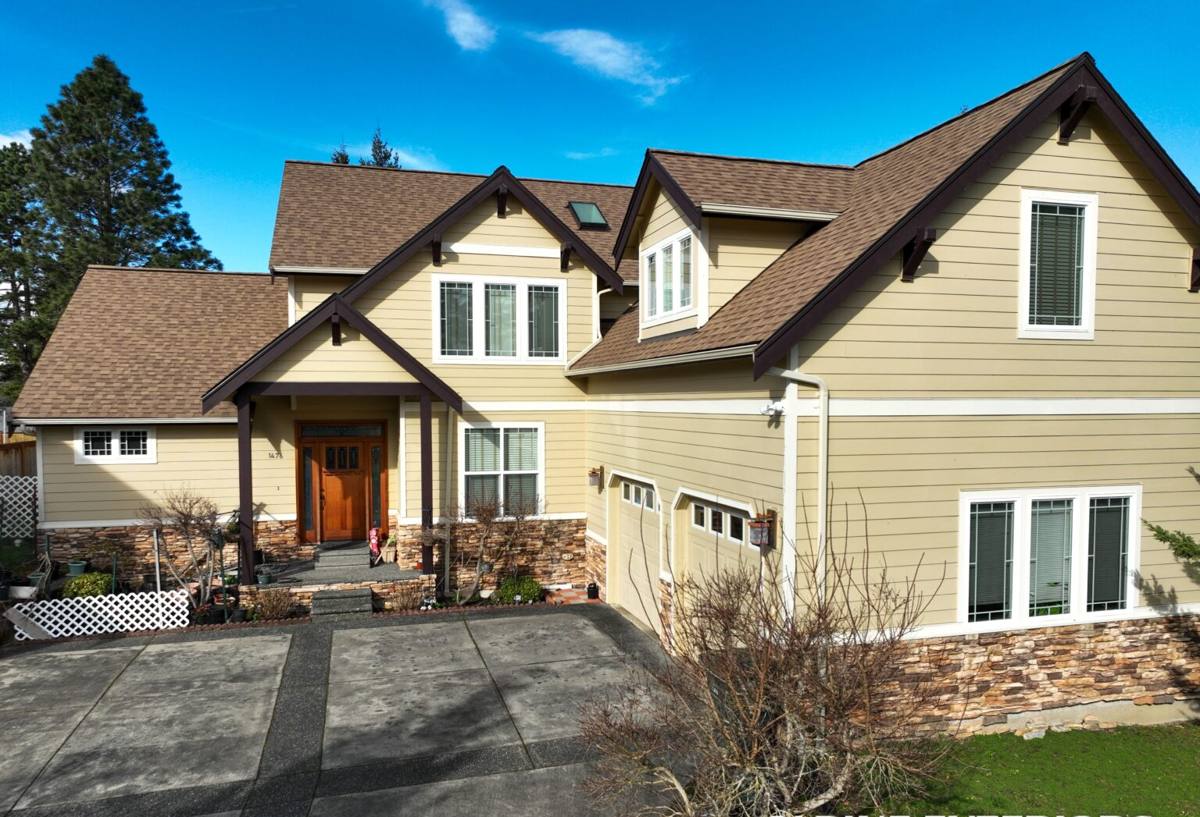
Signs a Fairhaven Home Needs Window Replacement
Not every window problem calls for full replacement. But there are clear signals that patching or re-caulking won't hold, especially in a coastal, high-rainfall setting like this one.
- Wood trim or sill that's soft, spongy, or visibly rotted when pressed with a finger
- Persistent condensation between glass panes, which means the seal on a double-pane unit has failed
- Windows that are difficult to open, close, or lock — often a sign the frame has swelled, warped, or shifted
- Visible daylight or a noticeable draft around the frame when the window is closed
- Chalky, pitted, or corroded metal hardware and cranks
- Moss or dark staining building up in the corners of the sill or bottom rail
- Noticeably higher heating bills in winter with no other explanation
- Paint that keeps failing on the same window no matter how often it's touched up
If you're seeing more than one or two of these, it's usually more cost-effective to replace than to keep repairing, since repeated patch jobs on a failing frame rarely last more than a season or two in this climate.
What a Correct Window Replacement Job Involves
Removal and Inspection
Every job starts with removing the old unit and actually looking at what's behind it — the sheathing, the framing, and any existing flashing. This is the point where hidden rot or water damage shows up, and it needs to be addressed before a new window goes in. Installing a brand-new window over a compromised opening just hides the problem for another few years.
Flashing and Weatherproofing
This is the step that matters most in a wet, salt-air climate and the one that gets skipped most often by crews in a hurry. Proper flashing directs any water that gets behind the siding back out, away from the framing, rather than letting it pool at the sill. That means correctly lapped flashing tape, a sloped sill pan, and sealant placed only where it should be — not as a substitute for proper flashing, which is a common shortcut that fails within a few years near the water.
Unit Selection and Fit
The replacement window has to be sized and shimmed correctly for the specific opening, not just close enough. Gaps that are too wide get filled with excess foam or caulk, which isn't a substitute for a properly fitted frame and tends to fail faster under repeated wet-dry cycling.
Finish Work
Interior and exterior trim gets reinstalled or replaced, gaps get sealed with the right products for the exposure, and everything is checked for smooth operation before the crew leaves. On the exterior, this is also the point where we make sure the finish materials around the window won't trap moisture against the new frame.
Choosing Window Materials for Salt Air and Rain
Material choice matters more here than it would in a drier, inland climate. Each option has real trade-offs, and there's no single "best" answer for every home — it depends on your budget, your home's style, and how much upkeep you want to take on.
| Material | Performance Near Salt Air | Maintenance | Notes |
|---|---|---|---|
| Vinyl | Won't corrode; handles moisture well | Low — occasional cleaning | Budget-friendly, good energy performance, limited color options |
| Fiberglass | Excellent — very stable, resists warping and corrosion | Low | Higher upfront cost, holds paint well if you want a custom color |
| Wood-clad | Good if cladding and flashing are done correctly | Moderate to high | Best for matching historic or traditional home styles; exposed wood needs upkeep |
| Aluminum | Prone to corrosion and condensation near saltwater unless well-treated | Moderate | We generally steer clients away from bare aluminum in this specific setting |
We're upfront that we don't recommend uncoated aluminum frames for homes this close to the bay. It's not that aluminum is a bad product everywhere — it's that untreated aluminum conducts cold, sweats in our humidity, and corrodes faster in salt-influenced air than the alternatives, and we'd rather steer you toward a material that will hold up for the long haul.
Working with Fairhaven's Older and Character Homes
A lot of homes in and around Fairhaven have older bones — traditional proportions, divided-light patterns, or trim details that give the house its character. When we replace windows on a home like this, matching sightlines, grid patterns, and trim profiles is part of the job, not an afterthought. A window that's technically well-built but visually out of place can hurt curb appeal more than an old, worn-out original.
Older homes also tend to have settled or slightly out-of-square openings, which means measuring can't be done from a spec sheet alone. Every opening gets measured individually, and where a home has unusual window shapes or sizes, we account for that in the quote rather than pushing a standard size that doesn't fit well.
Our Process, Start to Finish
1. Walkthrough and Estimate
We look at each window that's a candidate for replacement, check the surrounding trim and siding for hidden damage, and talk through material and style options based on your home and budget.
2. Written Scope and Timeline
You get a clear written scope covering materials, the number of windows, and what's included — flashing, trim work, and cleanup — so there's no ambiguity about what you're paying for.
3. Install
Most residential jobs move quickly, often completing within a day or two depending on the number of windows and whether any framing repair is needed. We work room by room to keep your home weather-tight throughout.
4. Walkthrough and Cleanup
Before we consider the job done, we walk every window with you, check operation, and clear away debris and old units.
Cost Factors for Fairhaven Window Replacement
We don't publish flat pricing because window jobs vary too much house to house, but these are the main factors that move the number up or down.
| Factor | Why It Matters |
|---|---|
| Number and size of windows | More units and larger openings mean more material and labor |
| Material (vinyl vs. fiberglass vs. wood-clad) | Upfront cost varies significantly; each has different long-term maintenance costs |
| Full-frame vs. insert replacement | Full-frame costs more but is often necessary when there's frame damage or you're changing window style |
| Hidden rot or water damage | Repairing framing found during removal adds cost but prevents a repeat failure |
| Trim and siding complexity | Custom trim profiles or specialty siding around an opening take more time to match |
| Access | Second-story or hard-to-reach windows require more setup time |
We'll always tell you upfront which of these apply to your project so the number on your estimate makes sense, rather than handing you a lump sum with no explanation.
Why a Crew That Already Works Fairhaven Matters
A contractor who's worked homes in this specific neighborhood already knows what to expect — the housing stock, the exposure to weather off the bay, and the kind of hidden moisture damage that shows up around older window openings here. That's less guesswork on your job and fewer surprises mid-install. It also means someone who understands Bellingham's building requirements and can plan the work accordingly, without treating your home like a generic job site.
Local experience also shows up in the small decisions — which flashing detail actually holds up against wind-driven rain off the water, which sealants perform in this humidity, and how to sequence work around Bellingham's wetter months so your home isn't left exposed longer than necessary.
If your windows are showing wear, drafts, or fogging, we're happy to take a look and give you an honest, no-pressure estimate — no obligation, just a clear picture of what your home actually needs. Use the form below to get started.