 Bellingham Exterior
 Fairhaven Sits Right Where the Weather Gets Tested
Fairhaven is one of the more exposed neighborhoods in the Bellingham area when it comes to what the weather actually does to a house. Sitting close to Bellingham Bay, homes here take on a steady dose of salt-laden marine air, wind-driven rain that comes in sideways off the water, and long stretches of shade and dampness that keep roofs, decks, and siding wet far longer than homes just a few miles inland. Add in the tree cover common through south Bellingham's older residential streets, and you get a textbook environment for moss, algae, and slow moisture intrusion — the three things that quietly ruin siding long before a homeowner notices anything is wrong.
None of this makes Fairhaven a bad place to own a home. It makes it a place where the siding system matters more than it does somewhere drier and more sheltered. A product and installation method that would be perfectly fine in a low-humidity climate can fail here in a fraction of the time. That's the lens we bring to every siding installation quote in this neighborhood.
What Salt Air, Rain, and Moss Actually Do to Siding
It helps to understand the specific failure modes, because they're different from what most people picture when they think "siding wears out."
Salt Air
Airborne salt from Bellingham Bay settles on exterior surfaces and accelerates the breakdown of paint films and lower-grade coatings. Over years, this shows up as chalking, fading, and coating failure well ahead of the manufacturer's expected lifespan — especially on the bay-facing sides of a home.
Driving Rain
Wind-driven rain doesn't just wet the surface of a wall — it pushes water sideways and upward, testing every seam, joint, and penetration in the siding system. A wall that's fine in a gentle vertical rain can leak in a Fairhaven wind event if the flashing and water-resistive barrier weren't detailed correctly.
Moss and Algae
Shaded, damp siding grows moss and algae faster than sun-exposed walls. Beyond the cosmetic issue, moss holds moisture against the siding surface for extended periods, which is exactly the condition that leads to rot in wood-based products and coating breakdown in lower-quality composites.
Signs a Fairhaven Home's Siding Is Losing the Battle
We get called out to a lot of homes in this neighborhood where the siding looks "mostly fine" from the street but is already failing underneath. Common warning signs include:
- Dark streaking or green-black growth concentrated on north-facing or tree-shaded walls
- Soft or spongy spots when you press on siding near the bottom courses or around windows
- Paint that's chalking, peeling, or bubbling faster than it should for its age
- Visible gaps at seams, corners, or trim where caulking has shrunk or failed
- Warping, cupping, or delamination of panels or boards
- A musty smell near exterior walls or unexplained interior moisture
Any one of these on its own isn't necessarily an emergency. Several of them together, especially on an older home, usually means the siding is past the point of patching and into replacement territory.
What a Correct Siding Installation Actually Involves
Siding failure in this climate is rarely about the siding material alone — it's usually about how the whole wall assembly was put together. A correct installation, whether we're re-siding a 1970s ranch or a century-old home near the historic core, includes several layers most homeowners never see:
- Sheathing inspection and repair — any rot or damage found once the old siding comes off gets addressed before anything new goes up
- A continuous water-resistive barrier — properly lapped and sealed so water is directed out, not trapped in
- A drainage gap (rainscreen) — a small air space behind the siding that lets any moisture that does get in drain and dry out instead of sitting against the wall
- Correct flashing at every window, door, and penetration — the single most common source of leaks we find on older Fairhaven homes
- Manufacturer-spec fastening — the right nail type, spacing, and depth, which affects both wind performance and warranty coverage
- Sealed joints and trim using products rated for exterior, marine-adjacent exposure
Skip any one of these steps and you can end up with a wall that looks great for a year or two and then starts failing from the inside out — the kind of problem that's expensive to diagnose because the damage is hidden behind brand-new-looking siding.
Why We Only Install James Hardie Fiber Cement
We made a decision as a company to install one siding system — James Hardie fiber cement — and to turn down jobs where a homeowner wants vinyl, LP SmartSide, or other composite panel products instead. That's not a marketing position; it's based on what actually holds up in a climate like Whatcom County's.
Fiber cement is non-combustible, which matters more each year given regional wildfire smoke and ember exposure. It doesn't rot the way wood-based products can when moisture gets past the coating, and it doesn't soften, warp, or become brittle from repeated wet-dry cycling the way some engineered wood and vinyl products can over a couple of decades near salt air. James Hardie's ColorPlus factory finish is baked on under controlled conditions and backed by its own finish warranty — a meaningfully different proposition than field-applied paint that has to fight UV, salt, and moisture from day one.
We're not going to tell a homeowner that other products are worthless — vinyl and engineered wood siding both have a place, and plenty of houses wear them fine in drier parts of the country. But for the specific combination of conditions Fairhaven throws at a house — salt air, driving rain, heavy shade, moss pressure — we've concluded fiber cement installed correctly is the product that holds its line, its color, and its integrity the longest with the least maintenance. That's what we're willing to put our name behind.
Matching the Product to Fairhaven's Housing Stock
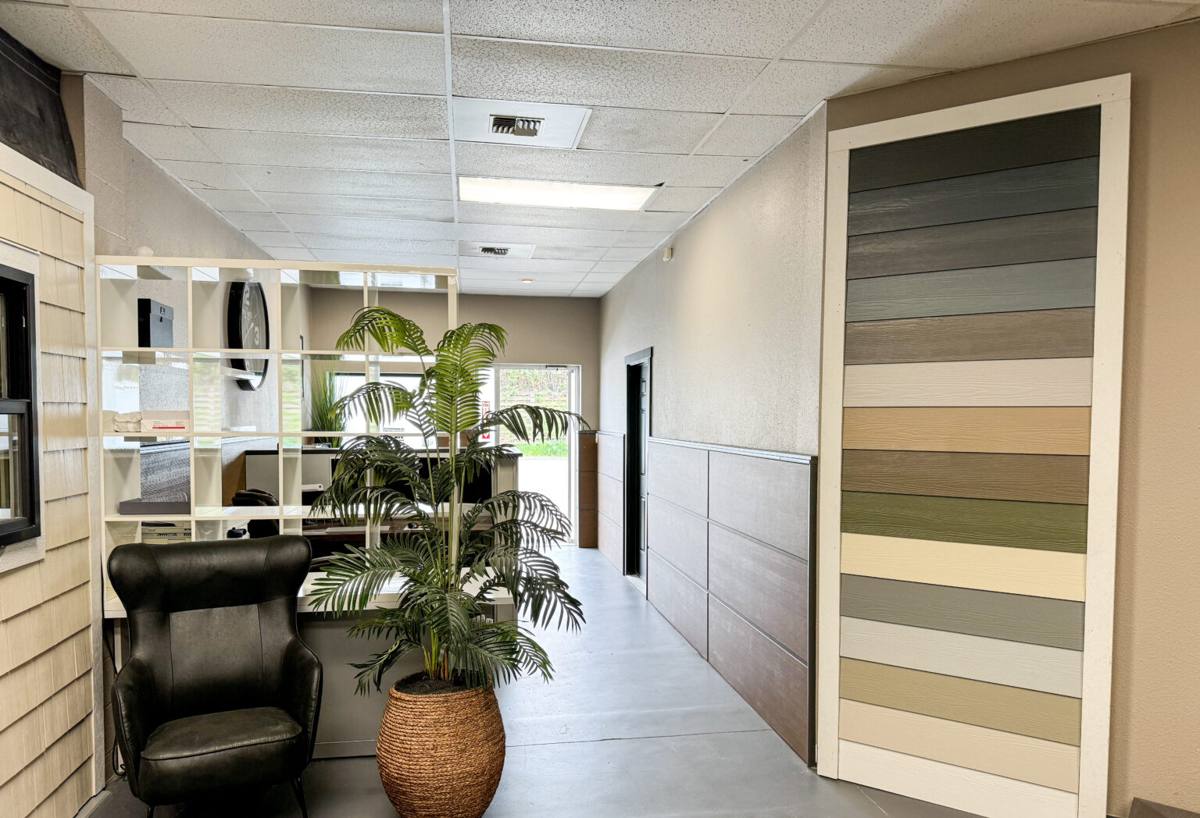
James Hardie makes climate-engineered product lines, and the HZ5 formulation is built for the kind of wet, temperate, freeze-thaw-capable climate found throughout Western Washington, including Bellingham and Whatcom County. That's the line we specify for Fairhaven installations — it's formulated to resist moisture damage in exactly the conditions this neighborhood sees for much of the year.
Fairhaven's housing stock is mixed: there are older homes, some near the historic waterfront core, alongside newer infill and remodeled properties throughout the surrounding hillside streets. The approach differs slightly depending on the house:
Older and Historic-Character Homes
James Hardie offers lap siding profiles, shingle-style panels, and trim options that can closely match traditional board widths and reveal patterns. If a property sits within or near Fairhaven's designated historic district, it's worth checking with the City of Bellingham on any applicable design review requirements before finalizing a siding plan — we're happy to help homeowners work through that step as part of the process.
Newer and Standard Residential Homes
These jobs typically have more flexibility on profile and color, and are usually more straightforward from a scope-of-work standpoint since there's less legacy construction to work around.
Our Installation Process, Step by Step
- On-site assessment — we walk the exterior, check for hidden moisture and sheathing damage, and note flashing and drainage problem areas specific to your home's exposure
- Written scope and estimate — a clear breakdown of what's included, the Hardie products and colors specified, and a realistic timeline
- Tear-off and sheathing repair — old siding comes off, and any rot or compromised sheathing is replaced before we move forward
- Water-resistive barrier and rainscreen installation — the moisture-management layer goes in first, correctly lapped and sealed
- Flashing at every opening — windows, doors, and penetrations get detailed to shed water outward
- Hardie panel or lap installation — fastened to manufacturer spec for both wind performance and warranty compliance
- Trim, caulking, and finish work — sealed with exterior-rated products suited to a marine-adjacent climate
- Final walkthrough — we go over the completed work with you before calling the job done
Cost Factors for a Fairhaven Siding Installation
Every home is different, so we don't quote firm numbers without seeing the property, but these are the main variables that move a siding project's price up or down:
| Factor | How It Affects the Project |
|---|---|
| Hidden sheathing or framing damage | More common on older homes or walls with a history of moisture intrusion; adds repair scope before new siding goes on |
| Siding profile and trim complexity | Matching historic-style board widths, shingle accents, or detailed trim takes more labor than a standard flat lap install |
| Home height and access | Multi-story homes or steep hillside lots common around Fairhaven's terrain require more staging and time |
| Number of windows, doors, and penetrations | Each one needs individual flashing work, which is where most leaks originate if rushed |
| Color and finish selection | Factory ColorPlus finishes vs. field-applied paint affect both cost and long-term maintenance |
| Removal and disposal of old siding | Volume and type of existing material affects tear-off time and disposal cost |
What to Expect: Timeline and Disruption
Most single-family siding installations take anywhere from one to a few weeks depending on home size, weather windows, and the amount of hidden repair work uncovered once tear-off begins. Bellingham's wetter months can extend timelines if a project isn't sequenced carefully around dry-in stages, which is another reason experienced scheduling matters here more than in drier climates. During the project, expect noise, staging around the home's perimeter, and some yard or landscaping impact near the work area — we take care to protect plantings and hardscaping and clean up debris daily.
A Quick Checklist Before You Hire Anyone
- Ask what water-resistive barrier and drainage gap method they use — not just what siding brand
- Confirm they carry current Washington contractor licensing and insurance
- Ask how they handle hidden rot or sheathing damage discovered mid-project
- Get the siding line and HZ zone rating specified in writing, not just "Hardie" in general terms
- Ask how flashing at windows and doors will be detailed — this is where most future leaks start
- Request a written scope, not just a verbal price
Why a Crew That Already Works in Fairhaven Makes a Difference
A siding installer who works regularly in this neighborhood already understands which walls take the worst of the bay-driven rain, where moss pressure runs highest under tree cover, and how to sequence a project around Bellingham's wetter stretches so the wall assembly doesn't get compromised mid-install. That local pattern recognition doesn't replace doing the fundamentals correctly — proper flashing, drainage, and fastening matter on every job, everywhere — but it does mean fewer surprises, a more accurate estimate up front, and a crew that isn't learning Whatcom County's climate on your house.
If your Fairhaven home's siding is showing moss, staining, soft spots, or coating failure — or you're planning ahead for a replacement before it becomes an emergency — we're happy to walk the property with you and give you a straight, no-pressure assessment. There's no cost and no obligation to request a free estimate through the form below.