 Bellingham Exterior
 Why Window Performance Matters in Sehome
Sehome sits close enough to the water and to Bellingham's tree canopy that its houses take a steady beating from moisture, salt-laden air, and long stretches of low winter sun that never quite dries anything out. Windows are one of the first places that shows up. A window that was fine when it was installed twenty or thirty years ago is now likely the weakest point in the building envelope — losing heat in winter, letting in drafts, and in some cases letting bulk water into the wall assembly around the frame.
In a marine climate like Whatcom County's, "energy-efficient windows" isn't just an insulation upgrade. It's also a moisture-management upgrade. The glass and gas fill get most of the attention, but the flashing, sealant, and frame material around that glass are what decide whether the window is still doing its job in ten years.
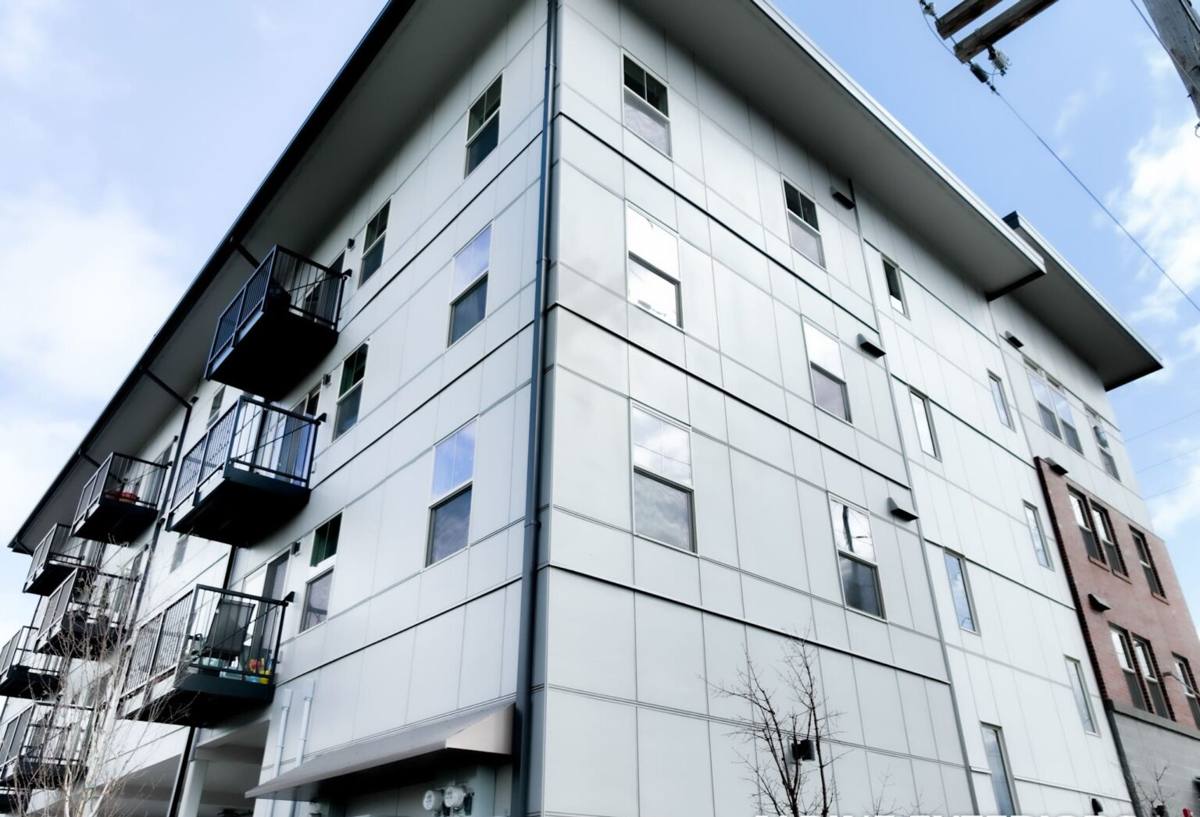
What Sehome's Climate Does to Windows
A few things about this neighborhood's conditions are worth understanding before you replace or repair windows:
- Salt air: Proximity to Bellingham Bay means airborne salt reaches window hardware, aluminum components, and exposed fasteners, accelerating corrosion on lower-grade metal parts.
- Driving rain: Wind-driven rain off the Sound pushes water sideways into any gap in flashing or sealant, not just straight down. Windows need to be detailed to shed water under wind pressure, not just gravity.
- Moss and organic growth: Shaded, damp sills and trim collect moss and algae over a long wet season, which holds moisture against wood and painted surfaces far longer than direct sun-drying areas would.
- Temperature swing is modest, but duration is long: Bellingham doesn't see extreme cold snaps often, but the heating season is long, so a drafty window costs money for months at a stretch, not just a few weeks.
Signs Your Current Windows Are Underperforming
Homeowners usually notice one or two of these before calling anyone:
- Visible condensation or fogging between panes — a sign the seal on a double- or triple-pane unit has failed
- A cold draft you can feel standing near the window even when it's closed
- Wood trim or sills that are soft, discolored, or growing moss at the base
- Windows that are hard to open, close, or lock — frames can swell or warp with sustained moisture exposure
- A noticeable jump in heating bills compared to similarly sized homes nearby
- Paint peeling or bubbling on interior sills, which often points to moisture getting past the exterior seal
Any one of these on its own isn't necessarily an emergency, but a window showing two or three of these signs is usually past the point where caulking and weatherstripping alone will fix it.
What Goes Into a Correct Energy-Efficient Window Job
The Window Itself
Performance comes from a combination of factors, not one number. U-factor tells you how well the window resists heat transfer — lower is better for our heating-dominated climate. Solar heat gain coefficient (SHGC) matters less here than in sunnier climates, but it still affects comfort in south- and west-facing rooms. Multi-pane glazing with an inert gas fill (argon is standard) and a low-E coating is the baseline we work with for replacement projects in this area.
The Frame Material
Frame choice matters as much as the glass in a wet climate. Vinyl frames resist moisture well and need little upkeep, which is a real advantage in a neighborhood with a long moss season. Fiberglass and composite frames hold up to temperature and moisture cycling with minimal expansion or contraction. Wood-clad windows can look right on an older or historic-style home, but they need real maintenance discipline — regular inspection and refinishing of any exposed wood — or the cladding's advantage gets undone by a neglected sill. We'll tell you honestly which option fits your home and your appetite for upkeep rather than pushing whatever's easiest to install.
The Installation Details That Actually Prevent Leaks
Most window failures in this climate aren't the window's fault — they're an installation or flashing failure. Correct integration with the wall's weather-resistive barrier, properly lapped flashing tape at the head, jambs, and sill, and sealant applied at the right points (not everywhere, which can trap water instead of shedding it) are what actually keep driving rain out. We treat the flashing detail as equally important as the window unit itself, because a great window installed with sloppy flashing will leak eventually, and a modest window installed correctly won't.
Our Process for Sehome Homes
- On-site assessment: We look at each window opening individually — not every window on a house is in the same condition, and some may need repair or resealing rather than full replacement.
- Honest scope discussion: We'll tell you which windows genuinely need replacement, which can be serviced, and why, so you're not paying to replace something that just needs new weatherstripping.
- Product selection: We walk through frame material, glazing package, and finish options based on your home's exposure, your budget, and how much upkeep you want to take on.
- Removal and prep: Old units come out carefully, and we inspect the rough opening and sheathing underneath for hidden rot or moisture damage before anything new goes in.
- Correct flashing and installation: Weather-resistive barrier integration, flashing tape, backer rod, and sealant are installed in the sequence that actually sheds water, not just what's fastest.
- Final check and cleanup: Every window is tested for smooth operation and sealed properly before we consider the job done.
Comparing Frame Options for This Climate
| Frame Material | Moisture Resistance | Maintenance Needs | Typical Fit |
|---|---|---|---|
| Vinyl | Very good — won't rot or corrode | Low — occasional cleaning | Most Sehome replacement projects, budget-conscious upgrades |
| Fiberglass/Composite | Excellent — stable through wet/dry cycling | Low | Homes wanting higher durability and a longer service life |
| Wood (clad exterior) | Good on the clad face; exposed wood is the risk point | Moderate to high — needs inspection and upkeep | Historic-style or architecturally specific homes |
| Aluminum | Fair — prone to corrosion near salt air without upgraded finishes | Moderate | Limited use; generally not our first recommendation this close to the bay |
What Affects the Cost of a Window Project
Every home is different, so we don't quote a flat per-window price sight unseen, but the main cost drivers are consistent:
| Factor | Why It Matters |
|---|---|
| Number and size of openings | More and larger windows mean more material and labor |
| Frame material chosen | Vinyl is generally the most budget-friendly; fiberglass and clad-wood cost more upfront |
| Condition of the rough opening | Hidden rot or water damage found during removal adds repair work before a new window can go in |
| Full-frame vs. insert replacement | Full-frame replacement (removing down to the framing) costs more but is often necessary when flashing or the opening itself is compromised |
| Access and site conditions | Second-story or hard-to-reach windows take longer to install safely |
We'll walk through these factors specific to your home during the estimate so there are no surprises once work starts.
Why It Matters to Hire a Crew That Already Works This Neighborhood
Sehome's housing stock spans decades of construction styles, and each era has its own quirks — different flashing conventions, different wall assemblies, different original window details. A crew that regularly works in this part of Bellingham has already seen how these homes behave in wet, salt-influenced conditions and knows what to check for before the first window comes out. That familiarity shows up in fewer surprises during the job and installations that are detailed correctly for the actual weather this neighborhood gets, not a generic approach borrowed from a drier climate.
It also means we're accountable locally. If a seal needs adjusting or a question comes up after the work is done, we're not far away and not hard to reach.
Maintaining Your Windows After Installation
Even the best window benefits from basic upkeep in this climate:
- Rinse sills and tracks periodically to keep moss and algae from taking hold, especially on shaded, north-facing windows
- Check and clear weep holes so water can drain out instead of pooling in the frame
- Inspect exterior caulking annually and touch up anywhere it's cracked or pulled away
- Wipe down hardware occasionally to keep locks and hinges operating smoothly despite salt-air exposure
- Address any soft or discolored trim right away rather than waiting — small moisture problems are far cheaper to fix early
If you're noticing drafts, fogged glass, or moisture issues around your windows, we're happy to take a look and give you a straightforward, no-pressure estimate on what it would take to fix it — whether that's targeted repair or full replacement. Use the form below to get started.