 Bellingham Exterior
 Deck Repair Built for Sehome's Conditions
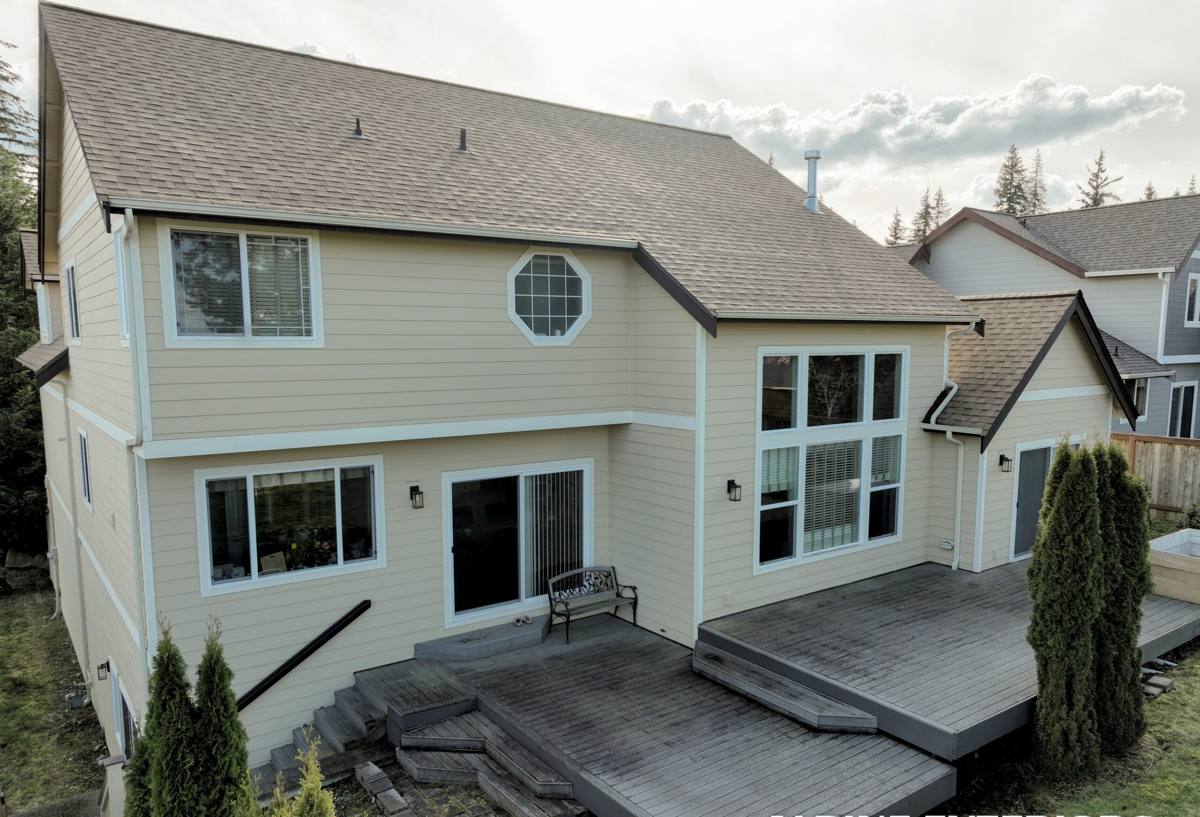
Sehome sits close enough to Bellingham Bay to catch salt-laden air off the water, but it also has the tree canopy and hillside lots that come with one of Bellingham's older, more established neighborhoods. That combination is tough on decks. Mature trees near Sehome Hill and the surrounding residential streets keep large sections of many decks shaded for most of the day, which means wood and fasteners stay damp long after a storm has passed. Add Whatcom County's long, gray rainy season and you get a deck environment that ages faster than the sunnier, drier neighborhoods across town.
We repair decks in Sehome regularly, and the failures we see aren't random — they follow the same pattern house after house because the climate and terrain are consistent. This page walks through what actually goes wrong, what a proper repair looks like, and how we approach the job so it holds up through the next several wet seasons, not just until the next inspection.
What Bellingham's Climate Does to a Deck Over Time
Three things drive most deck damage in this part of Whatcom County, and Sehome gets all three at once.
Salt Air
Even a mile or two inland from the bay, salt-laden moisture in the air accelerates corrosion on any exposed metal — nails, screws, joist hangers, and railing hardware. Once a fastener starts rusting, it loses holding strength long before it looks obviously bad from the surface.
Driving Rain
Wind-driven rain doesn't just fall straight down — it gets pushed sideways into ledger connections, under flashing, and into any gap where boards meet the house. Over years, that's how water finds its way into framing that looks fine from above.
Moss and Shade
Sehome's tree cover is a mixed blessing. It's part of what makes the neighborhood pleasant, but shaded decking stays damp far longer after rain than decking in full sun. That moisture, combined with organic debris from overhanging trees, is exactly what moss and algae need to take hold — and once established, they hold water against the wood surface almost permanently.
Signs Your Sehome Deck Needs Repair, Not Just Cleaning
A lot of homeowners assume moss and dark staining are cosmetic. Sometimes they are — but sometimes they're a warning sign of what's happening underneath. Here's what should prompt a closer look:
- Soft or spongy spots underfoot, especially near the house or at board ends
- Persistent moss or black-green staining that returns within weeks of cleaning
- Visible gaps opening up between decking boards or at the ledger board where the deck meets the house
- Rust streaks running down from screw heads, joist hangers, or railing posts
- A railing that flexes or feels loose when leaned on
- Standing water that doesn't drain within an hour or two of rain stopping
- Stairs that feel bouncy or have visibly sagging stringers
Any one of these on its own might be minor. Two or three together usually means water has been getting into the structure for a while, not just sitting on the surface.
What We Typically Find on Sehome Decks
Ledger Board and Rim Joist Rot
The ledger board — where the deck attaches to the house — is the single most common failure point we see in this climate. If it was flashed poorly when the deck was built (common on older homes in this neighborhood before current flashing standards were typical), water has been tracking behind it for years, often invisibly, until the wood underneath softens.
Hidden Fastener Corrosion
Salt air corrodes hardware from the inside out. A joist hanger can look intact from below while its nails have lost most of their grip. This is a big reason we don't judge a deck's condition by appearance alone.
Post Base Deterioration
On sloped Sehome lots, support posts often sit closer to grade or in spots where runoff collects. Post bases that stay wet longer than they should are one of the more expensive repairs if left too long, because they affect the whole structure's stability.
Moss-Driven Surface Decay
Established moss holds moisture against decking boards around the clock. Even rot-resistant species will eventually break down under a permanent moss mat — it's less about the wood species and more about how long the surface stays wet.
What a Correct Deck Repair Actually Involves
A repair that just replaces the boards you can see is a cosmetic fix, not a real one. Our process addresses the layer underneath:
- Full inspection from below. We check framing, ledger attachment, post bases, and hardware — not just the walking surface.
- Probe suspect areas. Soft or discolored wood gets tested with an awl or moisture meter to find the real boundary of the damage, since rot often extends further than it looks.
- Remove and replace only what's compromised. Sound structural wood stays; we don't upsell a full rebuild when a targeted repair will hold.
- Correct the water path, not just the symptom. If flashing is missing or improperly lapped at the ledger, we fix that as part of the repair — replacing boards without fixing the flashing just buys you the same problem again in a few years.
- Upgrade hardware to corrosion-resistant fasteners. Given the salt air here, we use hot-dip galvanized or stainless connectors rated for coastal exposure, not standard interior-grade hardware.
- Re-check drainage and slope. Decking should shed water away from the house; on older builds this is sometimes wrong from day one and worth correcting during a repair.
Repair vs. Replacement: How to Think About It
Not every deck with problems needs to be torn out. The table below covers the main factors that push a decision one way or the other — every deck is different, so this is a starting point for the conversation, not a formula.
| Factor | Leans Toward Repair | Leans Toward Replacement |
|---|---|---|
| Framing condition | Joists and ledger structurally sound, isolated soft spots | Widespread rot in主 framing or ledger board |
| Age of structure | Under 15-20 years, built to a reasonable standard | Original construction decades old with no upgrades |
| Extent of moss/rot | Concentrated in shaded sections or a few boards | Consistent across most of the deck surface |
| Fastener condition | Isolated corrosion, hardware still holding | Widespread rust, hangers pulling loose |
| Code/permit status | Meets current attachment and railing standards | Missing required flashing, undersized footings, or non-compliant railings |
We'll always tell you honestly which side of that line your deck falls on. A repair that's really a stopgap isn't a good use of your money, and we'd rather say so upfront.
Our Process for a Sehome Deck Repair
We keep the process straightforward because homeowners deserve to know what's happening at each step:
- Free on-site estimate. We look at the deck in person — photos alone don't tell us enough about hidden framing issues.
- Written scope and price. You'll know exactly what's being repaired and why before work starts, including whether we found anything beyond the original concern.
- Weather-aware scheduling. Given how much rain Whatcom County gets, we plan around dry windows where possible, especially for work that opens up framing.
- Repair work. Structural fixes first, then decking, railings, and finish work.
- Walkthrough. We show you what was repaired and what to watch going forward — particularly moss-prone areas that will need regular attention.
Why It Matters to Hire a Crew That Already Works in Sehome
Deck problems in Bellingham aren't the same as deck problems in a dry inland climate, and a crew that mostly works elsewhere can miss what's specific to this area. Working regularly in Sehome and nearby Bellingham neighborhoods means we already know:
- How the neighborhood's tree cover and hillside lots affect drainage and shade patterns deck by deck
- Which fastener and flashing details actually hold up against salt air over the long term, versus what's rated for it on paper
- What older homes in this part of Bellingham were typically built with, so we know where to look first for hidden problems
- How to sequence work around Whatcom County's wet season so framing isn't left exposed longer than necessary
That local pattern-recognition is the difference between a repair that addresses the actual cause and one that just replaces what's visible.
Keeping a Repaired Deck in Good Shape
Once a deck is properly repaired, a little seasonal attention goes a long way in this climate:
- Sweep debris off the deck surface regularly, especially in shaded areas under trees
- Clean moss promptly rather than letting it establish — the longer it sits, the more moisture it traps
- Check that gaps between boards stay clear so water can drain instead of pooling
- Have hardware and ledger flashing checked every few years, since corrosion and hidden leaks aren't always visible from the surface
- Reseal or refinish on the schedule appropriate for your decking material — shaded, damp areas typically need it more often than sunny ones
If you're noticing soft spots, persistent moss, loose railings, or you're just not sure whether your deck's issues are cosmetic or structural, we're happy to take a look. The estimate is free, there's no pressure, and you'll get a straight answer about what's actually going on — just fill out the form below to get started.