 Bellingham Exterior
 Custom Windows Built for Columbia's Conditions
Columbia homes sit close enough to the water and open enough to the weather that windows here work harder than they do in most inland neighborhoods. Salt-laden air off Bellingham Bay, wind-driven rain that finds every gap in old flashing, and a long wet season that keeps north-facing walls damp for months at a time all add up. A window that's merely "installed" isn't the same as a window that's installed correctly for this specific exposure. Custom windows for a Columbia home means matching the unit and the install method to what this neighborhood actually throws at a house.
We've worked enough Bellingham homes near the water to know that the failures we get called out for are rarely about the glass itself. They're about flashing, sealant, and framing details that were fine for a drier climate but don't hold up to Whatcom County's version of wet.
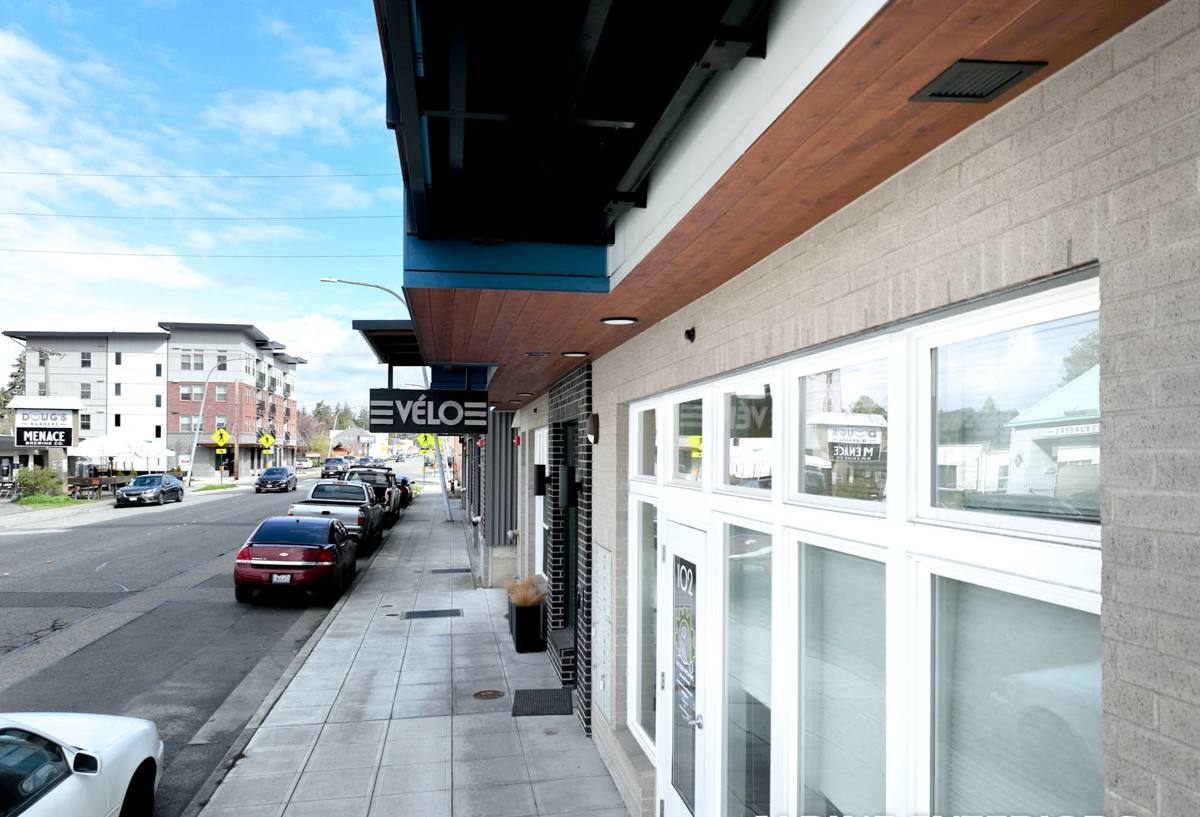
What Columbia's Climate Does to Windows
Salt Air and Metal Fatigue
Proximity to the bay means airborne salt settles on window hardware, screens, and exposed fasteners. Over years, this accelerates corrosion on lower-grade metal components — hinges, cranks, and screen frames — well before the glass or main frame shows any wear. Custom orders let us spec hardware and cladding finishes that are rated to hold up better in a marine-influenced environment, rather than whatever ships standard in a big-box package.
Driving Rain and Water Intrusion
Storms coming off the Salish Sea don't just fall straight down — wind pushes rain sideways into wall assemblies, especially on west- and south-facing elevations. If a window's flashing, sill pan, or head detail isn't built to shed that water outward and downward, moisture works its way behind the trim and into the framing. This is the single most common cause of the rot and staining we see around older window openings in this area.
Moss, Algae, and Prolonged Dampness
Bellingham's long wet season keeps shaded and north-facing surfaces damp for extended stretches, which is exactly the environment moss and algae need to take hold. On windows, that shows up as green or black growth on sills, in corners, and along exterior trim — and it holds moisture against the surface longer than a dry spell would allow, which shortens the life of paint, caulk, and wood trim alike.
What a Correct Custom Window Job Actually Involves
"Custom" doesn't just mean a non-standard size. For a Columbia home, it means the whole assembly — unit, flashing, and finish — is chosen and installed as a system.
- Accurate measurement and sizing — older Bellingham homes often have openings that have shifted slightly over decades; custom sizing avoids the gaps and shim-heavy installs that come with forcing a stock size into an irregular opening.
- Sill pan flashing — a properly sloped, sealed pan under the window directs any water that gets past the exterior seal back outside instead of into the wall cavity.
- Head and jamb flashing integrated with the house wrap — flashing has to be layered correctly with the existing weather-resistive barrier, not just caulked over it, so water sheds down and out rather than behind the siding.
- Marine-appropriate hardware and finishes — corrosion-resistant fasteners and hardware where salt exposure is a factor.
- Frame material suited to sustained moisture exposure — vinyl, fiberglass, and clad-wood each behave differently in a wet climate; the right choice depends on the home's exposure and your maintenance preferences, not just budget.
- Proper interior and exterior sealant joints — sealed correctly on both sides, with a way for any incidental moisture to escape rather than get trapped.
Skip any one of these steps and the window itself can be excellent quality and still fail early — usually not through the glass, but around it.
Choosing the Right Frame Material for This Neighborhood
| Frame Type | How It Handles Salt Air & Rain | Maintenance |
|---|---|---|
| Vinyl | Won't corrode from salt exposure; performs consistently in wet conditions | Low — occasional cleaning, no repainting |
| Fiberglass | Very stable in moisture and temperature swings; strong resistance to warping | Low to moderate — durable finish, rarely needs attention |
| Aluminum-clad wood | Good exterior protection from rain if flashing is correct; interior wood warmth | Moderate — clad exterior is low-maintenance, but seams and joints need periodic checking |
| Bare wood | Attractive but most vulnerable to prolonged damp exposure and moss-prone surfaces | High — regular repainting and sealing required to prevent rot |
We won't push bare wood frames on an exposed Columbia elevation without an honest conversation about the maintenance commitment involved. It's not that wood is a bad product — it's that the upkeep needed to keep it performing well in this climate is a real, ongoing cost that some homeowners would rather not take on. We'll always tell you that trade-off up front rather than let you find out after a few wet winters.
Our Installation Process
1. On-Site Assessment
We look at each opening individually — exposure direction, existing flashing condition, signs of past water intrusion, and framing condition. This is where we catch problems that a phone estimate would miss entirely.
2. Product Selection
We walk through frame material, glazing options, and hardware finishes based on that specific opening's exposure, not a one-size-fits-all recommendation. A window on a sheltered wall doesn't need the same spec as one facing open water and prevailing wind.
3. Removal and Opening Prep
Old units come out carefully so we can inspect the framing and sheathing underneath. Any soft wood, rot, or compromised sheathing gets addressed before a new window ever goes in — installing a new window over a hidden rot problem just delays the failure, it doesn't prevent it.
4. Flashing and Sealing
Sill pan, head flashing, and integration with the house's weather barrier are done in the correct sequence — this is the step that determines whether the window sheds water for the next twenty years or starts leaking in five.
5. Installation and Finish
The window is set, shimmed level and square, insulated around the frame, and finished with interior and exterior trim. We check operation — smooth opening, closing, and locking — before calling the job done.
6. Final Walkthrough
We go over the work with you, explain any maintenance recommendations specific to your home's exposure, and answer questions before we consider the job complete.
Signs a Columbia Home's Windows Need Attention
- Fogging or moisture between panes on double- or triple-glazed units — a sign the seal has failed
- Soft, discolored, or crumbling trim or sill wood around the window
- Green or black growth on sills or in corners that keeps returning after cleaning
- Drafts or noticeable temperature difference near the window even when it's fully closed
- Difficulty opening, closing, or locking — often a sign the frame has shifted or swollen
- Paint or finish that's peeling or bubbling specifically around the window opening, not the wall in general
Any one of these can be minor on its own, but they're also the early signs of exactly the kind of water intrusion this climate causes. Catching it early is a lot less expensive than catching it after it's reached the framing.
Why Local Experience in Columbia Matters
A contractor who mostly works drier inland areas will still install a technically functional window — but "functional in a dry climate" and "durable on a salt-air, high-rain Whatcom County exposure" aren't the same standard. Knowing which elevations in this neighborhood tend to take the worst of the weather, which flashing details actually hold up here, and which materials are worth the extra cost for this specific exposure comes from having done the work here repeatedly, not from a general install checklist.
That local pattern recognition is what keeps a window job from becoming a callback in two or three years.
What Affects the Cost
| Factor | Why It Matters |
|---|---|
| Frame material | Vinyl and fiberglass generally cost less upfront than clad-wood or premium finishes |
| Opening condition | Rot or framing repair discovered during removal adds labor and material |
| Glazing package | Double vs. triple pane, and any low-E or impact-resistant upgrades, affect unit price |
| Number and size of openings | Larger or custom-shaped windows require more material and labor per unit |
| Exposure-driven flashing detail | High-exposure elevations may need more thorough flashing work than sheltered ones |
We'll always give you a clear, itemized estimate before any work starts — no vague allowances, no surprise add-ons once the job is underway.
Ready to Talk About Your Windows?
If you're noticing drafts, moisture, or wear on your windows — or you're just planning ahead before the next wet season sets in — we're happy to take a look and give you an honest assessment. Reach out for a free, no-pressure estimate using the form below.