 Bellingham Exterior
 Energy-Efficient Windows for Blaine Homes
Blaine sits at the northern tip of Whatcom County, right on the water where Semiahmoo Bay and Drayton Harbor meet the open exposure of the Salish Sea. That location does two things to a window at the same time: it puts salt-laden, wind-driven weather directly against the glass and frame for more of the year than most inland towns ever see, and it drives up the number of months a household is running heat to stay comfortable through a cool, damp marine climate. Energy-efficient windows matter here for both reasons at once — keeping conditioned air inside the house, and keeping the weather that wants to get in from finding a way through the seals, frame joints, and glazing.
A window that's technically "energy-efficient" on paper — double-pane, Low-E coated, argon-filled — can still perform poorly in Blaine if it isn't installed with this specific exposure in mind. We treat the glass package and the installation detail as equally important, because in a town this exposed, either one done wrong undercuts the other.
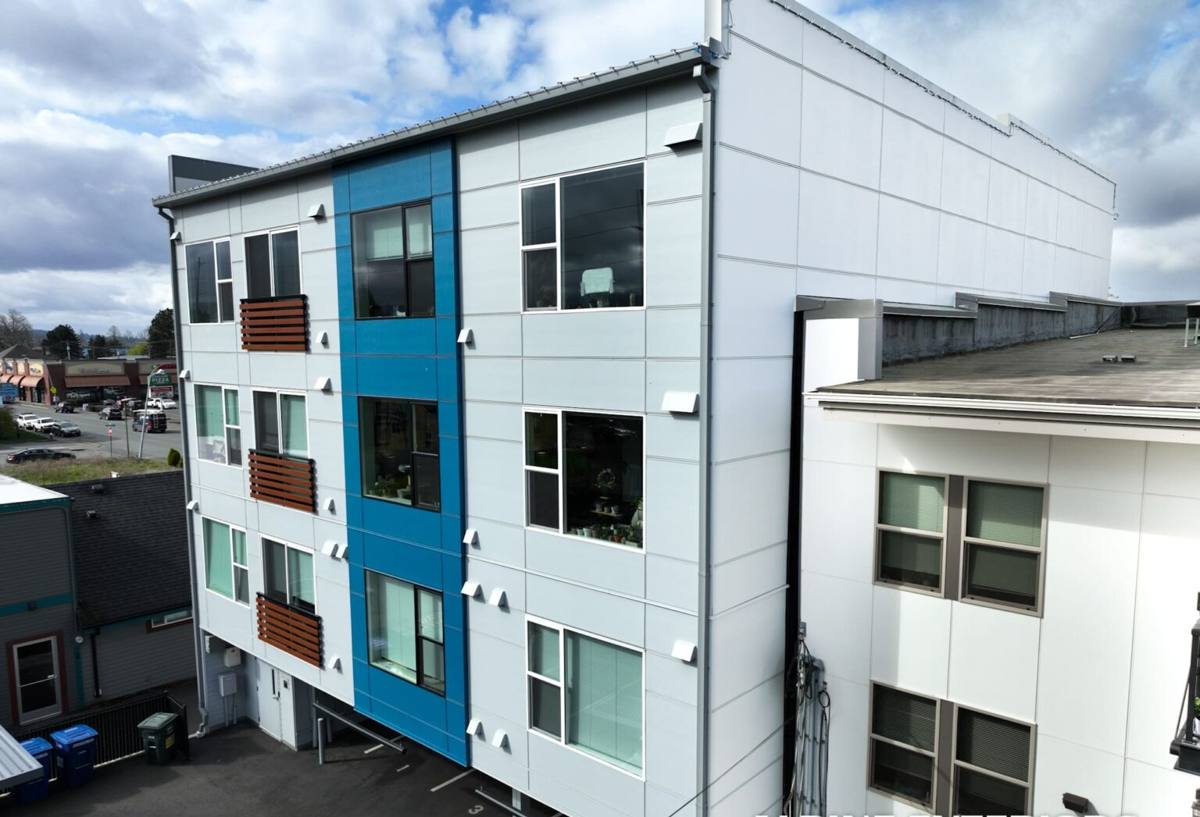
What Blaine's Climate Asks of a Window
Wind-Driven Rain Against Frames and Seals
Storms coming off the water rarely drop straight down in Blaine. Wind pushes rain sideways into window openings, testing the flashing, the sill pan, and the seal between the frame and the rough opening in a way a calmer inland climate never would. A window rated efficient in a lab test still needs a correctly built opening around it, or wind-driven rain will find the gap the rating never accounted for.
Salt Air and Frame, Hardware, and Fastener Corrosion
The steady salt exposure this close to the bay and harbor is hard on anything metal — hinges, locks, balance hardware, and the fasteners holding a frame to the structure. Corrosion doesn't just look bad; on an operable window it can compromise the seal that keeps conditioned air inside, and on any window it can eventually let moisture past a hardware point that was never meant to be a water management feature in the first place.
Humidity, Moss-Season Dampness, and Condensation
Blaine's mild, wet stretch of the year keeps humidity high for months at a time, and shaded or north-facing walls hold that dampness longest — the same conditions that support the long moss season this part of Whatcom County deals with on roofs and siding. On windows, sustained humidity shows up as interior condensation on cold glass, and over time as moisture working into frame joints and sills that aren't properly sealed and flashed. A well-built efficient window resists interior condensation better than an older single-pane unit, but only if the glazing and the installation are both done right.
Why Efficiency Means More Here Than a Lower Utility Bill
Western Washington's marine climate doesn't hit the deep-freeze extremes some parts of the country see, but it makes up for that with a long heating season — mild, damp, and gray for a large share of the year, which means most Blaine homes are running heat more months than not. A drafty or poorly sealed window doesn't just waste energy on the coldest week of winter; it's a steady, ongoing loss for most of the year.
Two ratings matter more than any marketing language on the label: U-factor, which measures how well a window resists heat loss (lower is better), and SHGC, the solar heat gain coefficient, which measures how much solar heat passes through the glass. For a marine climate like Blaine's, we're generally aiming for a low U-factor to hold onto heat through the long stretch of cool, overcast weather, balanced against an SHGC that still lets in some welcome solar gain on the clearer days without overheating a sun-facing room. The right balance depends on the specific wall's orientation and exposure, not a single number that works for every opening on the house.
Look for the NFRC (National Fenestration Rating Council) label on any window under consideration — it's the independent source for U-factor and SHGC numbers, not a manufacturer's own marketing copy. ENERGY STAR certification for the Northern climate zone is a reasonable baseline for this part of Washington, though the NFRC numbers behind that label matter more than the label itself.
Frame and Glass Choices for a Coastal Whatcom County Home
Frame material affects both energy performance and how well a window holds up to Blaine's salt air and moisture over time. None of these materials are wrong choices everywhere, but they perform differently in this specific environment.
| Frame Material | Energy Performance | Coastal Durability | Maintenance |
|---|---|---|---|
| Vinyl | Good; multi-chambered frames insulate well | Resists corrosion; can become brittle with age under UV and temperature swings | Low |
| Fiberglass | Very good; dimensionally stable, holds seals tightly over time | Excellent in salt air and moisture; doesn't corrode or rot | Low |
| Wood-clad (exterior-clad) | Good; wood interior insulates well | Exterior cladding protects the wood, but any breach exposes it to coastal moisture | Moderate |
| Aluminum | Weaker without a thermal break; conducts heat and cold readily | Prone to corrosion in salt air unless specifically coated and maintained | Moderate to high |
For most weather-facing openings in Blaine, we lead with fiberglass or quality vinyl frames because they hold their seals and resist corrosion with the least ongoing maintenance in a marine environment. Wood-clad units can still make sense where the interior look matters most, provided the exterior cladding and flashing are detailed correctly so the wood core never sees moisture. We don't recommend uncoated aluminum frames for exposed walls in this town — the thermal performance and corrosion resistance simply aren't a good match for what Blaine homes see off the water.
Glazing Packages
Glass makes up most of a window's surface area, so the glazing package does most of the work on the efficiency numbers. Current options worth weighing for this climate generally include:
- Double-pane glass with a Low-E coating and argon gas fill — a solid, cost-effective baseline for most Blaine homes
- Triple-pane glass for openings with heavy noise exposure, strong wind loading, or rooms where comfort right next to the glass matters most
- Warm-edge spacer systems, which reduce heat loss at the edge of the glass and cut down on condensation forming at the perimeter
- A Low-E coating tuned to the window's orientation — a coating optimized for heat retention on a shaded north wall isn't necessarily the right one for a sun-exposed south or west wall
What a Correct Energy-Efficient Window Install Involves
The efficiency rating printed on a window only holds up if the installation seals the opening as well as the unit is designed to seal itself. A correct install includes:
- A properly sloped sill pan flashing so any water that gets past the exterior finish drains back out instead of pooling at the sill
- Weather-resistive barrier integrated with the window flange in the correct shingle-lap sequence, so water sheds down and over each layer
- Low-expansion foam or backer rod and sealant around the frame perimeter for air sealing, not just cosmetic caulk at the exterior trim
- Corrosion-resistant fasteners and hardware suited to sustained salt air exposure
- Shimming and squaring the unit so sashes operate and seal correctly for the life of the window, not just on install day
- Interior air sealing at the rough opening, which affects comfort and energy performance as much as the exterior weatherproofing does
Skip the air sealing or get the flashing sequence wrong, and even a well-rated window will underperform its own numbers — and in Blaine's climate, it's more likely to develop moisture problems at the sill or jamb within a few wet seasons.
Our Process for a Blaine Window Project
- On-site assessment — we look at each opening's exposure, orientation, and existing condition, since a shaded, tree-covered wall and a wide-open, wind-exposed wall don't need the same glazing package
- Honest product recommendation — frame material and glazing spec matched to what each specific opening needs, explained in plain terms rather than upsold on features that don't apply to that wall
- Removal and opening prep — old units come out carefully, and any existing rot, moisture damage, or flashing failure gets addressed before a new window goes in, not covered over
- Installation and flashing — sill pan, weather-resistive barrier integration, air sealing, and fastening done to a sequence built for this climate
- Final walkthrough — we test operation, check seals, and walk you through what maintenance actually looks like so the windows keep performing the way they're rated to
Why Hire a Crew That Already Works Blaine
Window manufacturers write their installation guidance for average national conditions, not for a town sitting this exposed to salt air and driving rain off the water. A crew that has installed windows across Blaine through multiple wet seasons already knows which walls need extra attention on flashing, where a north-facing opening is going to fight condensation harder than the same window would on a sheltered, sun-facing wall, and which hardware and fastener choices hold up here versus what a generic spec sheet assumes. That judgment doesn't show up in a product brochure, and it's the difference between windows that are still sealing tight and operating smoothly in fifteen years and ones that are drafty and showing sill damage in five.
Cost Factors for Energy-Efficient Windows in This Area
Every home and opening is different, so we won't quote a number without seeing the house, but a few factors consistently move the price on a Blaine window project:
| Factor | Why It Matters |
|---|---|
| Frame material | Fiberglass typically costs more than vinyl but holds up longer with less maintenance in salt air |
| Glazing package | Triple-pane, upgraded Low-E coatings, and warm-edge spacers add cost but improve comfort and efficiency |
| Number and size of openings | Larger or more numerous windows mean more material and installation labor |
| Existing opening condition | Rot or old flashing failures found during removal need repair before the new window goes in |
| Wall exposure | Heavily wind- and rain-exposed walls sometimes call for a more robust glazing or flashing spec |
| Access and site conditions | Upper-floor or hard-to-access openings can add labor time |
Getting It Right the First Time
Replacing a window is disruptive enough that most homeowners don't want to do it twice. Getting the frame material, glazing package, and installation detail right the first time, matched to the specific opening and Blaine's coastal exposure, costs a lot less than discovering a drafty room or a soft sill a few years down the road.
If you're weighing window replacement for a home in Blaine, we're happy to walk the property, look at each opening's exposure, and give you a straightforward, no-pressure estimate. There's a form below — reach out and we'll set up a time to take a look.