 Bellingham Exterior
 Windows Built for Birch Bay's Coastal Exposure
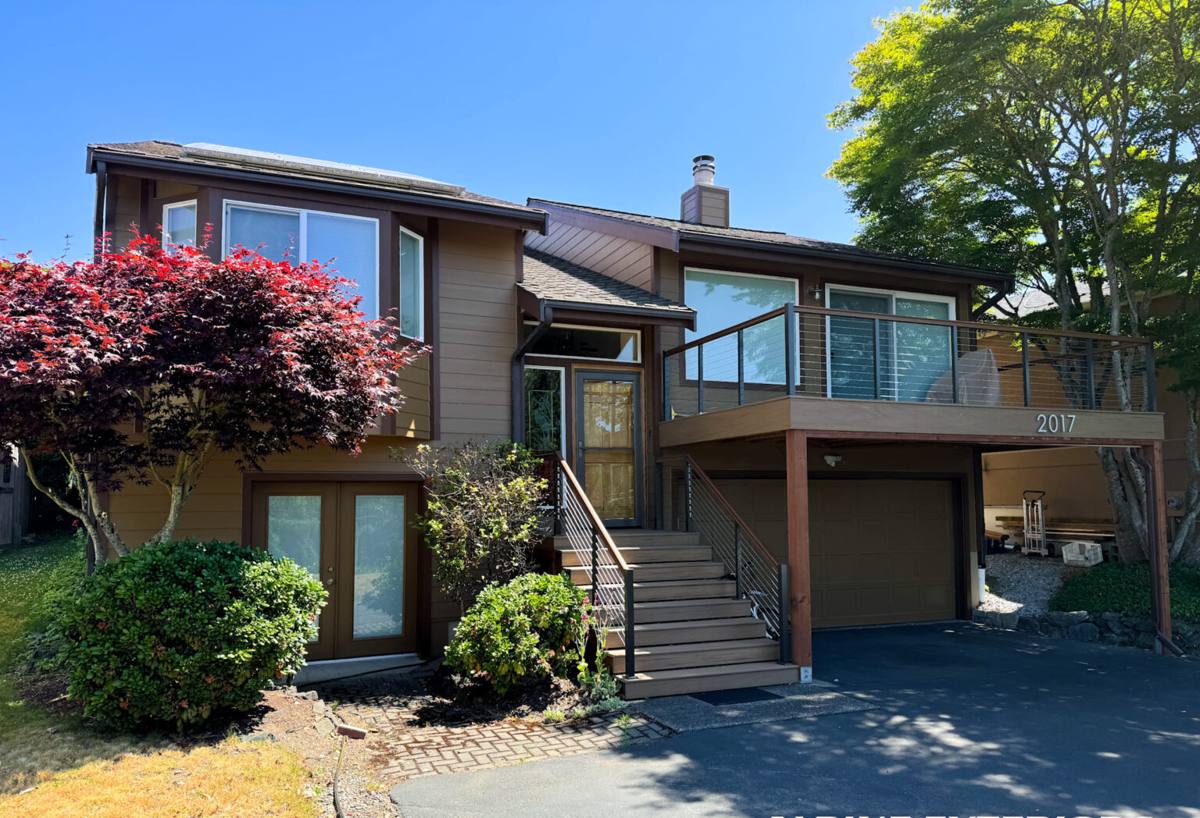
Birch Bay sits right on the water, which means the homes there take a different kind of beating than a house a few miles inland in Bellingham. Salt-laden air off the bay works into hardware and finishes year-round. Driving rain off Georgia Strait pushes water sideways into gaps that would stay dry on a more sheltered lot. And the long, wet stretch of fall through spring in Whatcom County keeps siding, trim, and window sills damp long enough for moss and algae to take hold. Standard window installation practices — the kind that work fine in a dry climate — don't always hold up out here. A window that's correctly flashed and sealed for Birch Bay's exposure is a different job than the same window installed on a protected lot in town, and that difference shows up in five or ten years, not on day one.
What Salt Air, Rain, and Moss Actually Do to Windows
Salt Air and Hardware Corrosion
Salt in the air settles on everything, including window hardware, screen frames, and any exposed fasteners. Cheaper or improperly coated hardware corrodes faster near the water than it would even a short distance inland. This isn't just cosmetic — corroded locks and hinges eventually bind or fail, and corroded fasteners lose their grip strength over time. The fix isn't complicated: use hardware and fasteners rated for coastal or marine exposure, and don't cut corners on the small metal parts just because they're not the most visible piece of the job.
Driving Rain and Water Intrusion
Wind off the bay doesn't just make rain fall harder — it pushes rain sideways and upward, which means water can find its way behind trim and siding in places a calm-weather installation would never test. This is where flashing detail matters more than window brand. A window can be a premium product and still leak if the flashing, house wrap integration, and sill pan aren't built to shed water actively driven at the wall, not just water falling straight down.
Moss, Algae, and Long-Term Moisture
Whatcom County's wet season runs long, and Birch Bay's marine humidity keeps surfaces damp even between rain events. Moss and algae take hold on north-facing trim, sills, and anywhere water sits instead of draining. Beyond looking bad, sustained moisture against wood trim or an underperforming seal is what eventually leads to rot and interior water staining. Window and trim choices that shed water quickly and dry out between storms hold up a lot better here than choices that trap moisture against the wall.
What a Correct Custom Window Job Involves
"Custom windows" doesn't just mean non-standard sizes or shapes — though we do plenty of that for older Birch Bay homes with openings that don't match modern stock sizing. It means the whole assembly is specified and installed to match the actual conditions of that wall: exposure direction, wind load, existing wall construction, and how water needs to move around the opening.
Sill Pan and Flashing Integration
Every opening gets a sloped sill pan and flashing sequenced correctly with the house wrap or building paper — water that gets past the glass and frame needs a clear path back out, not a place to collect. This step is invisible once the window is in, which is exactly why it's the step that gets skipped on rushed jobs and the one that causes the most problems years later.
Frame Material Selection
Not every frame material handles salt air and constant moisture cycling the same way. We'll walk through the honest trade-offs for your specific wall and budget rather than push one product line.
Glass and Weatherstripping Package
For a bay-facing wall, we typically talk through impact resistance, Low-E coating options for solar and heat control, and weatherstripping that stays flexible through temperature swings instead of hardening and cracking within a few winters.
Frame Material Comparison for Coastal Exposure
| Frame Material | Coastal Durability | Maintenance | General Cost Factor |
|---|---|---|---|
| Vinyl | Good — won't corrode or rot; UV-stable formulations hold up well near the water | Low — occasional rinse to clear salt film | Lowest |
| Fiberglass | Very good — dimensionally stable through temperature and humidity swings, resists warping | Low | Mid to upper-mid |
| Wood-clad | Depends heavily on installation quality — the clad exterior resists weather, but any breach at joints or corners exposes wood to sustained coastal moisture | Higher — needs regular inspection of clad seams and any exposed wood trim | Higher |
| Aluminum | Fair — strong and slim sightlines, but standard aluminum conducts cold and can corrode without a marine-grade finish | Moderate | Mid |
We don't push one material as universally "best" — the right call depends on your home's exposure, your budget, and how much upkeep you want to take on. What we won't do is install a frame system into a high-exposure wall without being upfront about the maintenance it'll need to hold up long-term.
Our Process for Birch Bay Window Projects
- On-site assessment. We look at exposure direction, existing frame condition, signs of past water intrusion, and how the current openings were flashed originally.
- Honest scoping. We tell you what's actually needed — sometimes that's a full replacement, sometimes it's targeted repair, and we'll say so either way.
- Material and glass selection. We walk through frame material and glass package trade-offs against your budget and exposure, not a one-size pitch.
- Removal and opening prep. Old units come out carefully to protect siding and trim, and we inspect the sheathing and framing underneath for hidden rot or prior water damage before anything new goes in.
- Sill pan, flashing, and install. Every opening gets proper water management before the window goes in, sequenced correctly with your wall's weather barrier.
- Sealing and finish work. Interior and exterior trim, caulking, and hardware installed and tested.
- Final walkthrough. We check operation, seal, and finish with you before calling the job done.
Signs Your Birch Bay Home Needs Window Attention
- Visible fogging or moisture between panes (failed seal on double- or triple-pane units)
- Soft or discolored trim or sill wood, especially on north- or west-facing walls
- Drafts you can feel near the frame even with the window fully latched
- Hardware that's stiff, corroded, or won't latch cleanly
- Moss or algae buildup on sills or trim that keeps coming back after cleaning
- Difficulty opening or closing that wasn't there a few years ago
- Visible gaps or cracked caulk around the exterior frame
- Noticeably higher heating bills without another clear cause
Why a Crew That Already Works Birch Bay Matters
A contractor who works Birch Bay and the surrounding Bellingham coastline regularly already knows which walls take the worst of the wind-driven rain, what the moss buildup pattern looks like on a north-facing sill after a wet winter, and which flashing details actually hold up here versus which ones look fine on paper but fail in this specific exposure. That's not something you get from a crew that mostly works inland and treats a bay-front job the same as any other. We're not guessing at how Whatcom County's marine climate behaves — we see the same conditions on job after job in this area, and we build the install to match what actually happens on these walls, not what happens in a more sheltered climate.
Maintenance That Keeps Coastal Windows Performing
Even a correctly installed window benefits from a little seasonal attention out here. A simple rinse to clear salt film off frames and hardware a few times a year goes a long way, especially after a stretch of dry weather followed by wind. Keep weep holes and drainage channels clear of debris and moss so water has somewhere to go. Check caulking annually — coastal temperature swings and constant moisture cycling will find any gap that's opened up faster than they would inland. And if you see moss taking hold on trim or sills, address it before it holds moisture against the wood long-term rather than waiting until it's established.
What to Expect Cost-Wise
Custom window projects vary a lot based on opening count, frame material, glass package, and how much flashing and trim work is involved — there's no honest single number we can give without seeing the home. What we can tell you is that we'll walk you through the real cost drivers (material, glass upgrades, and the amount of prep and flashing work your specific openings need) so you understand what you're paying for, not just a bottom-line total.
If you're dealing with drafty, fogged, or aging windows on a Birch Bay home — or planning ahead for a remodel — we're happy to come take a look and talk through what your home actually needs. The estimate is free and there's no pressure to commit; use the form below to get started.