 Bellingham Exterior
 Ferndale's Coastal Exposure Is Harder on Siding Than It Looks
Ferndale sits close enough to Bellingham Bay and the Strait of Georgia that salt-laden air is a constant, low-grade presence on exterior surfaces, even on properties that aren't waterfront. Add Whatcom County's long wet season, driving rain off the water, and the shaded, damp conditions that let moss colonize a north-facing wall in a couple of years, and you have a climate that is genuinely tough on siding materials. Homes here don't fail because owners neglected them. They fail because the wrong product, or a correctly-rated product installed the wrong way, was never going to hold up to this specific combination of moisture and salt exposure in the first place.
This page is about one thing: installing siding correctly on a Ferndale home, with a material chosen for what this climate actually does to a house, not a generic siding sales pitch.
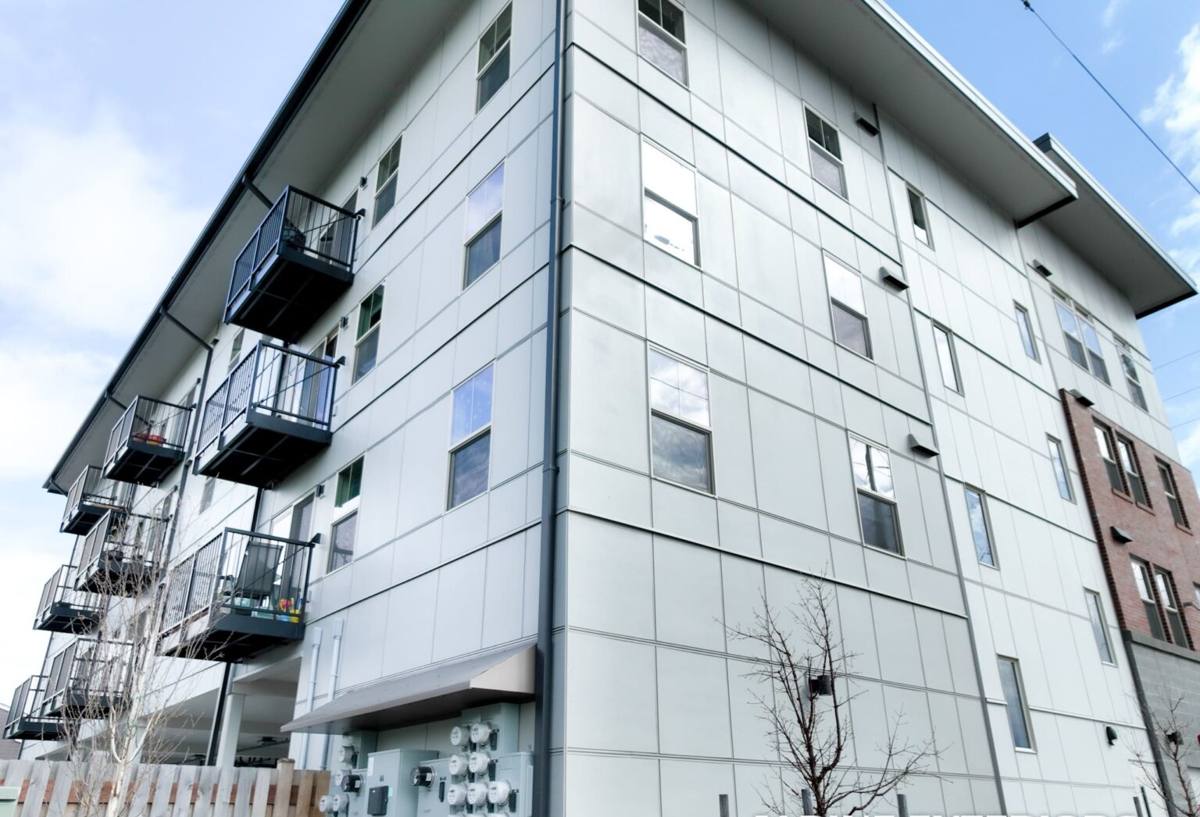
What Salt Air, Driving Rain, and Moss Season Do to a Wall
Salt Air
Airborne salt is corrosive to fasteners and metal flashing, and it accelerates the breakdown of paint films and coatings that aren't formulated to resist it. Over years, siding in a salt-exposed zone can chalk, fade, or lose adhesion faster than the same product would inland, especially at joints and fastener heads where the finish is thinnest.
Driving Rain
Wind-driven rain doesn't just wet a wall, it forces water sideways and upward into laps, seams, and penetrations that a vertical rain event would never reach. A siding system's water-shedding details, laps, flashing, and the water-resistive barrier behind the cladding, matter more here than the siding material itself. Get those details wrong and it doesn't matter what's on the outside.
Moss and Sustained Dampness
Shaded elevations, tree cover, and Whatcom County's long stretch of overcast, drizzly months mean some walls stay damp for extended periods. Moss and algae take hold readily in that environment, and on moisture-sensitive substrates, sustained dampness at the surface can eventually work its way into seams, fastener penetrations, and cut edges if those areas weren't properly sealed and detailed during installation.
None of this is unique to Ferndale. But the combination, salt plus rain plus shade plus time, is a more demanding version of what most Whatcom County homes deal with, and it's worth designing the siding system around.
Why We Install James Hardie Fiber Cement and Nothing Else
We install James Hardie fiber cement siding exclusively. We don't install vinyl, LP SmartSide, Cemplank, Allura, or unfinished cedar or primed spruce, and that's a deliberate professional standard, not a marketing position.
Vinyl is inexpensive and low-maintenance in mild conditions, but it's a thin plastic product that expands and contracts significantly with temperature, and in coastal wind exposure its seams and lock strips are more prone to working loose over time than a heavier, dimensionally stable material. Cedar and primed wood siding can look excellent, but they're organic materials in a climate that stays damp for months at a stretch, which means an ongoing maintenance commitment (refinishing, caulk inspection, moisture monitoring) that most owners underestimate at the point of purchase. LP SmartSide and other wood-strand composite products perform reasonably well when detailed correctly, but they rely on an engineered wood core and a factory or field-applied coating, and their long-term moisture performance depends heavily on getting every cut edge and seam sealed exactly to spec, which is a lot to ask on every job, every time.
James Hardie fiber cement is cement, sand, and cellulose fiber. It doesn't rot, it isn't attractive to insects, and it's non-combustible, which matters increasingly in a state that has been dealing with more wildfire smoke and risk in recent summers. Hardie's ColorPlus factory-applied finish is baked on and warranted separately from the substrate, so it resists the fading and peeling that field-painted products are more prone to. And Hardie engineers specific product lines for different climate zones, which lets us match the product to what Ferndale's marine exposure actually calls for rather than using one generic siding for every region.
Choosing the Right Hardie Product Line for a Ferndale Home
James Hardie's HZ5 climate designation is engineered for regions with damp, moisture-heavy conditions like the Pacific Northwest, and it's what we spec for homes in this area. Within that, the product choice usually comes down to style and exposure:
- HardiePlank lap siding — the most common choice, available in several exposure widths and textures (smooth or cedar-textured), suited to most single-family homes
- HardiePanel vertical siding — often used for accent gables, shed-style additions, or a more modern look
- HardieShingle siding — for homes wanting a shingle-style look without the maintenance burden of real wood shingle
- HardieTrim — used around windows, doors, and corners for a finished, moisture-resistant trim system that matches the field siding
On homes with heavier salt or rain exposure, elevations facing the water or prevailing wind, we sometimes recommend closer attention to fastener selection and flashing detail rather than a different siding product, because the product itself is already rated for the exposure; the installation detailing is where performance is actually won or lost.
What a Correct Siding Installation Actually Involves
Fiber cement siding is only as good as the assembly behind it. A correct Hardie installation in a climate like Ferndale's includes:
The Water-Resistive Barrier
A properly lapped and taped WRB (housewrap) behind the siding is the actual waterproofing layer of the wall. The siding sheds the bulk of the water; the WRB manages what gets past it. Seams, penetrations, and transitions all need to be sealed in the correct shingle-lap order so water is always directed outward and down, never trapped behind the cladding.
Rainscreen or Drainage Gap
On a climate like this, a furred-out rainscreen gap between the WRB and the siding gives any moisture that does get behind the cladding a path to drain and dry out, rather than sitting against the back of the siding or the sheathing. This is one of the details that separates a siding job built for the Pacific Northwest from one built for a drier climate.
Flashing at Every Penetration
Windows, doors, hose bibs, vents, light fixtures, anywhere something interrupts the siding plane, needs proper flashing that integrates with the WRB, not just a bead of caulk. Caulk is a maintenance item that fails eventually; flashing is a permanent water-shedding detail.
Fastening and Clearances
Hardie specifies fastener type, spacing, and placement, and those specs exist for a reason: correctly fastened siding resists wind load and doesn't telegraph fastener heads through the finish over time. Ground clearance and roof-line clearance matter too, siding installed too close to grade, a roof, or a deck surface stays damp longer and is more exposed to splashback.
Caulking and Joint Treatment
Butt joints, trim intersections, and penetrations need the right sealant, applied correctly, not as a substitute for good flashing but as a secondary line of defense.
Comparing Siding Materials for a Coastal Whatcom County Home
| Material | Moisture Performance in This Climate | Maintenance Burden | Longevity When Installed to Spec |
|---|---|---|---|
| Vinyl | Sheds water but seams can loosen with wind and temperature cycling | Low, but limited repair options when damaged | Moderate |
| Cedar / primed wood | Absorbs moisture; performance depends on ongoing finish maintenance | High — refinishing and inspection on a recurring schedule | Variable, maintenance-dependent |
| LP SmartSide / wood composite | Good if every cut edge and seam is sealed correctly; sensitive to installation quality | Moderate — coating maintenance over time | Good with strict install discipline |
| James Hardie fiber cement (HZ5) | Engineered for damp marine climates; doesn't rot or absorb moisture like wood | Low — occasional wash, no refinishing of the substrate | Strong, backed by a transferable warranty |
What Drives Cost on a Ferndale Siding Project
| Factor | Why It Matters |
|---|---|
| Home size and wall complexity | More corners, gables, and dormers mean more cutting, flashing, and labor time |
| Existing siding removal and sheathing condition | Rot or water damage found underneath old siding needs to be repaired before new siding goes on |
| Product line and profile | Lap width, texture, and trim choices affect material cost |
| Rainscreen and WRB upgrade scope | Adding or upgrading drainage detailing is a worthwhile investment on exposed elevations |
| Access and site conditions | Steep lots, tight setbacks, or landscaping can affect staging and labor time |
We don't quote a job without seeing the house. Anyone who gives a firm number over the phone for a full siding replacement is guessing, and that guess usually costs the homeowner later.
Our Installation Process
- On-site assessment — we look at existing siding, sheathing condition, wall orientation, and specific exposure factors (shade, wind, proximity to water)
- Tear-off and inspection — old siding comes off and sheathing is inspected for rot or moisture damage before anything new goes on
- WRB and drainage plane installation — housewrap, flashing, and rainscreen furring installed and inspected before siding starts
- Siding and trim installation — Hardie product installed to manufacturer fastening and clearance specs, with attention to the highest-exposure elevations
- Final detailing — caulking, touch-up, and a walkthrough so the homeowner understands the warranty and any care recommendations
What to Check Before Hiring a Siding Contractor
- Are they licensed and insured in Washington, and will they show you proof without being asked twice?
- Do they inspect and repair sheathing before installing new siding, or just cover over what's there?
- Do they install a proper WRB and drainage detailing, or just nail siding to the existing wall?
- Can they explain why they use the specific product they use, beyond "it's what we install"?
- Do they have experience with homes in this specific area, and can they speak to how they handle salt and moisture exposure?
- Is the manufacturer's warranty transferable, and is it backed by certified installation?
Why a Crew That Already Works Ferndale Matters
A siding installer who works across Whatcom County regularly, rather than treating Ferndale as an occasional out-of-town job, already knows which elevations on which streets tend to hold moisture, how far salt exposure typically reaches inland from the water, and where moss buildup is a recurring maintenance issue rather than a one-time problem. That familiarity shows up in small decisions during installation, extra attention to a shaded north wall, a flashing detail on a water-facing gable, that a crew unfamiliar with the area might not think twice about. It also means faster response if a warranty question or a minor issue comes up after the job is done, because we're not driving in from somewhere else.
Get a Straight Answer for Your Home
If your Ferndale home's siding is showing its age, moss buildup, fading, soft spots, or you're just planning ahead, we're happy to take a look and give you an honest read on what your home actually needs. There's no pressure and no obligation. Use the form below to request a free estimate.